
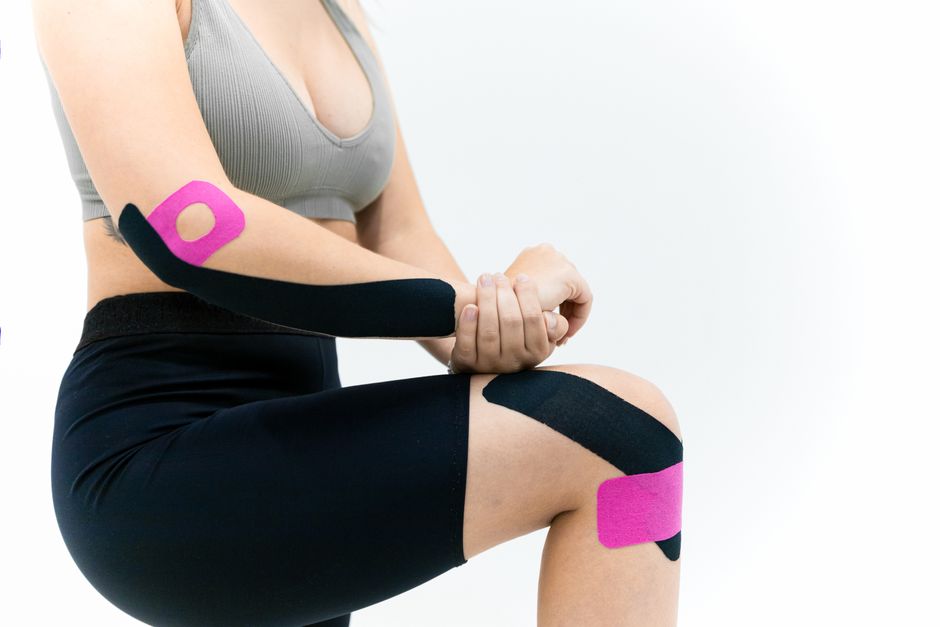
Kinesiology tape, often called KT tape, is a stretchy cotton strip with an acrylic adhesive. It is not a brace. It is not a splint. It is a tool that some people use to support muscles and joints without restricting movement. The basic idea is to apply the tape with a specific amount of stretch to lift the skin slightly, which some research suggests may improve blood flow and reduce pain signals. For knees, shoulders, and other common areas, the application method changes based on the joint and the goal. The most reliable evidence supports using KT tape for patellofemoral pain syndrome (runner’s knee) and shoulder impingement. Application always starts with clean, dry skin. You round the corners of each strip to prevent peeling. You anchor the tape without stretch, apply the working portion with the recommended tension (usually 25% to 75%), and rub the tape firmly to activate the adhesive. The tape stays on for two to five days depending on activity and skin type.
Does KT Tape Actually Work for Knee Pain?
Research published in the Journal of Orthopaedic & Sports Physical Therapy found that KT tape provides a small but real improvement in pain and function for people with patellofemoral pain syndrome. The effect is strongest in the first 24 to 48 hours after application. After that, the benefit seems to fade.
For knee osteoarthritis, the evidence is weaker. Some studies show a modest reduction in pain. Others show no difference compared to a placebo tape. The American Academy of Orthopaedic Surgeons does not currently recommend KT tape as a primary treatment for knee osteoarthritis. It may help as part of a broader plan that includes strength training and activity modification.
One common mistake is expecting KT tape to fix a structural problem. It will not realign your kneecap or replace weak muscles. It may help reduce pain enough that you can move more comfortably, which is where the real benefit comes from.
How To Put On KT Tape for Knees Shoulders and More: The Anchor Method
Every application follows the same foundation. You start with a clean, dry, shaved area. No lotion. No oil. You measure the tape against the body part before peeling the backing. You cut the strip to length and round all four corners with scissors. Sharp corners peel off faster.
The anchor is the first inch or two of tape applied with zero stretch. This keeps the tape from pulling off at the ends. The working section is the middle portion. For most muscle applications, you stretch the tape to 25% to 50% of its maximum length before pressing it onto the skin. The final anchor at the other end also has zero stretch.
For the knee, a common method is the Y-strip. Cut one strip lengthwise from the middle, leaving the top inch intact as the anchor. Apply the anchor above the kneecap with zero stretch. Bend your knee slightly. Apply the two tails on either side of the kneecap with 50% stretch. The tails should curve around the kneecap, not cross over it. Rub the tape firmly for 10 seconds.
For the shoulder, a different approach works better. You need two I-strips. Apply the first strip from the front of the shoulder, across the top, to the back of the shoulder blade with 25% stretch. Apply the second strip perpendicular to the first, crossing the top of the shoulder, with 50% stretch. This creates a supportive grid.
What Does the Research Say About Shoulder Applications?
A 2018 systematic review in Sports Medicine analyzed 12 studies on KT tape for shoulder pain. The researchers found moderate evidence that KT tape improves pain-free range of motion in people with shoulder impingement syndrome. The effect on strength was inconsistent.
Some studies suggest that KT tape may improve proprioception — your brain’s awareness of where your shoulder is in space. This could help people avoid movements that trigger pain. But the effect is small and may not be meaningful for everyone.
For rotator cuff tears, the evidence is limited. KT tape does not repair torn tissue. It may offer temporary symptom relief while you wait for surgery or complete rehabilitation. No study has shown that KT tape changes the natural history of a rotator cuff tear.
One interesting finding: the color of the tape does not matter. Despite claims on social media, no peer-reviewed study has found that black tape works differently than beige, blue, or pink. The adhesive and elasticity are identical across colors.





How Long Should You Leave KT Tape On?
Most manufacturers recommend wearing KT tape for two to five days. The adhesive is designed to last through showers, sweat, and daily activity. Water does not weaken the glue. In fact, pressing the tape dry after a shower helps it stay on longer.
If the tape starts peeling at the edges, trim the loose part with scissors. Do not pull on it. Pulling irritates the skin and can cause blisters. If the tape causes itching, redness, or a rash, remove it immediately. This is usually a sign of an adhesive allergy or skin sensitivity.
Removal matters as much as application. Soak the tape in baby oil or coconut oil for 10 to 15 minutes. This breaks down the adhesive. Peel the tape back on itself slowly, keeping it flat against the skin. Pulling straight up damages the top layer of skin. Go slow. If it hurts, stop and apply more oil.
| Body Part | Strip Type | Stretch Level | Duration |
|---|---|---|---|
| Knee (patellofemoral) | Y-strip | 50% on tails | 3-5 days |
| Shoulder (impingement) | Two I-strips | 25% and 50% | 2-4 days |
| Lower back | Four I-strips (fan pattern) | 25% on center strips | 3-5 days |
| Achilles tendon | One I-strip | 75% stretch | 4-6 days |
What Are the Most Common Mistakes People Make?
The biggest error is using too much stretch. Many online tutorials show people pulling the tape to its maximum length. This can cause skin irritation, blisters, and even restrict blood flow. The correct stretch for most applications is 25% to 50%. For ligament or tendon support, you may use up to 75%. Never pull the tape to its full stretch.
Another frequent mistake is applying tape over dirty or oily skin. The adhesive will not bond properly. Wash the area with soap and water. Dry it completely. If you have a lot of hair, shave the area. Tape on hair hurts to remove and does not stick as well.
People also apply tape too tightly over bony areas. The kneecap, the top of the shoulder, and the spine are sensitive spots. Tape should cross these areas with minimal or no stretch. If you feel a pulling sensation that does not fade after a few minutes, the tape is too tight. Remove it and try again with less tension.
- Do not apply tape over open wounds, rashes, or sunburned skin.
- Do not wear tape for more than five days without a break.
- Do not use KT tape as a replacement for medical evaluation of persistent pain.
- Do not expect tape to fix muscle weakness or joint instability alone.
Can KT Tape Help with Other Body Parts?
People use KT tape for ankles, wrists, elbows, and the lower back. The principle is the same: support without immobilization. For ankle sprains, the evidence is mixed. A 2019 study in the Journal of Athletic Training found that KT tape did not prevent ankle sprains better than traditional athletic tape. It may help with swelling and pain after a mild sprain, but it does not provide the same mechanical support as a brace.
For tennis elbow (lateral epicondylitis), some small studies suggest a benefit. The tape may reduce pain during gripping activities. But the effect is temporary and does not address the underlying tendon issue. Strengthening exercises remain the standard of care.
For lower back pain, the evidence is very weak. A 2016 Cochrane review concluded that there is insufficient evidence to recommend KT tape for low back pain. Some people report feeling better with it. That may be a placebo effect, or the tape may provide enough sensory input to change movement patterns. Either way, it is not a proven treatment.
One area where KT tape shows more promise is lymphatic drainage after surgery. The gentle lifting of the skin may help reduce swelling. Some physical therapists use a specific fan-cut pattern for this purpose. Results vary widely between individuals.
Frequently Asked Questions
Does KT tape work for knee pain?
Research shows it can reduce pain from patellofemoral syndrome for 24 to 48 hours. The benefit is small and does not replace strength training.
How tight should KT tape be?
Most applications use 25% to 50% stretch. The anchors at each end have zero stretch. If it feels uncomfortable, it is too tight.
Can you sleep with KT tape on?
Yes, the tape is designed to stay on for several days including during sleep. Remove it if it causes itching or discomfort at night.
Is KT tape the same as athletic tape?
No. Athletic tape is rigid and restricts movement. KT tape is elastic and allows full range of motion while providing sensory feedback.
