
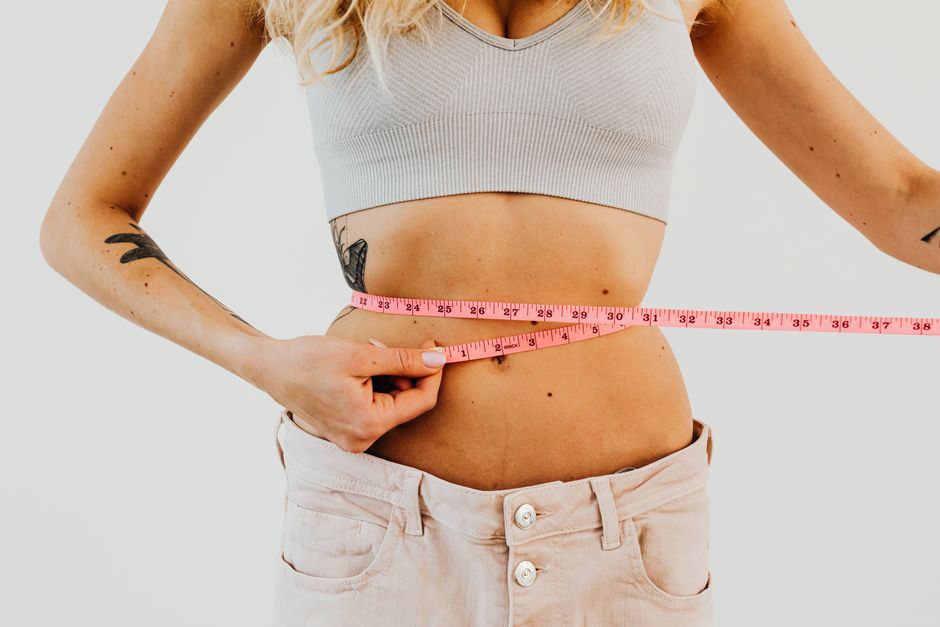
Putting on a faja correctly is about more than just pulling it up. A properly fitted faja should sit snugly but never cut off circulation, and the process takes a few minutes the first few times. The basic method involves stepping into the garment, pulling it to your waist, and using the closure system—whether that is a zipper, hooks, or velcro—to secure it evenly. You should be able to breathe deeply and move without pinching.
What Is a Faja and What Is It For?
A faja is a compression garment, typically made from a blend of spandex, nylon, and polyester. It is designed to apply firm, even pressure to the midsection, hips, and thighs. The word “faja” is Spanish for “girdle” or “belt.”
People wear fajas for different reasons. Some use them after cosmetic surgery like liposuction or tummy tucks to support healing tissue and reduce swelling. Others wear them for waist training, which aims to temporarily shape the waistline over time. These are two very different purposes, and they require different approaches.
Post-surgical use is a medical decision guided by your surgeon. Waist training is a cosmetic practice with limited scientific evidence for permanent change. Knowing which category you fall into matters for how you put the garment on and how long you wear it.
How To Put On A Faja: Step-by-Step
Start with clean, dry skin. Moisturizer or lotion can make the garment slip and bunch up, which creates uneven pressure. Sit on the edge of a bed or chair for balance.
If your faja has legs, roll the garment up like a tube before stepping in. This is the same technique used for compression stockings. It prevents the fabric from folding over on itself. Step into the leg openings and pull the rolled fabric up to your hips.
For a faja without legs, gather the garment at the waist and step through the center opening. Pull it up slowly, distributing the fabric evenly around your torso. Never yank or force it.
Once the garment is at your natural waist, adjust the fabric so it is smooth. There should be no twists or folds. Run your hands over the entire surface to check for bunching, especially around the hip bones and lower ribs.
Close the garment from the bottom up. If you have hooks, fasten the lowest ones first and work upward. If you have a zipper, pull it up slowly while holding the fabric taut to avoid catching skin. Velcro closures should be pressed down firmly and evenly.
Finally, adjust the shoulder straps if your faja has them. They should sit comfortably without digging into your shoulders. The garment should feel like a firm hug, not a vise.
How Tight Should a Faja Be?
A faja should be snug but never painful. You should be able to take a full, deep breath without the garment restricting your ribs. If you feel numbness, tingling, or a burning sensation, it is too tight.
You should also be able to slide one flat hand between the garment and your skin at the waist. If you cannot, the faja is too small. If you can fit more than two fingers easily, it may be too loose to provide effective compression.
Signs of over-tightening include red marks that do not fade within an hour of removal, difficulty breathing, acid reflux symptoms, and back pain. These are signals to loosen the garment or size up. Compression should not compress your organs to the point of discomfort.
Some people believe that a tighter faja produces faster results. This is not supported by evidence. Excessive tightness can cause skin irritation, nerve compression, and breathing problems without adding any benefit.





How Long Should You Wear a Faja Each Day?
This depends entirely on why you are wearing it. After surgery, your surgeon will give you specific instructions. These usually involve wearing the garment continuously for the first few weeks, including while sleeping. Never deviate from your surgeon’s plan without asking first.
For waist training, the common approach is to start with 2 to 4 hours per day and gradually increase. Many waist training enthusiasts build up to 8 hours. However, no clinical guidelines exist for waist training duration. The evidence for permanent waist reshaping is limited, and some experts caution against prolonged daily wear.
You should not sleep in a waist training faja unless your surgeon has instructed you to do so. Sleeping in heavy compression can restrict breathing and cause discomfort. It also increases the risk of skin breakdown in areas where the garment presses against bony points.
Listen to your body. If you experience pain, numbness, or digestive issues, remove the faja and reduce your wear time. Pushing through discomfort is not a sign of discipline; it is a risk factor for injury.
How To Remove a Faja Safely
Removal is just as important as putting it on. Undo the closures slowly, starting from the top if you are wearing a full-torso garment. This prevents the fabric from snapping against your skin.
For a zippered faja, unzip completely before pulling it down. Pulling a zippered garment off while it is still zipped can damage the zipper and strain the fabric. For hook-and-eye closures, unfasten each hook individually.
Once the closures are open, roll the garment down rather than pulling it off in one motion. This is gentler on the fabric and on your skin. If the faja has legs, roll each leg down separately.
After removal, check your skin for red marks, irritation, or raw spots. Persistent marks or broken skin may indicate that the faja does not fit properly or that you are wearing it too long. Wash the garment according to the manufacturer’s instructions before wearing it again.
Common Mistakes When Putting On a Faja
One of the most common mistakes is putting the faja on while it is inside out. Many fajas have a smooth outer layer and a more textured inner layer. Check the seams to confirm which side faces out before you start.
Another mistake is wearing the faja too low or too high. A faja that sits too low rolls up at the waist and creates a bulge. A faja that sits too high can interfere with breathing and press on the ribs. The garment should sit at your natural waist, which is the narrowest part of your torso.
Some people skip the adjustment step and simply pull the faja up and go. This leaves folds in the fabric that create uneven pressure. Those folds can cause painful indentations and reduce the effectiveness of the garment.
Finally, do not use lotion, oil, or body butter before putting on a faja. These products make the fabric slippery, which causes shifting throughout the day. If you need moisture, apply it at night and let it absorb fully before dressing in the morning.
Does Waist Training Actually Work?
This is the question many people are really asking. The honest answer is that the evidence is limited. Some studies suggest that prolonged compression can temporarily reshape soft tissue, but this effect is usually reversible once you stop wearing the garment.
Your waist size is determined by your ribcage, your spine, your muscles, and your internal organs. Bone structure does not change from compression. Organs can shift temporarily under pressure, but they return to their natural position when the pressure is removed.
What a faja can do is provide a smooth silhouette under clothing and offer posture support for some wearers. Some people report that wearing a faja makes them more aware of their core and encourages better posture. This is a subjective benefit, not a measured clinical outcome.
No study has confirmed that waist training produces permanent changes in waist size. If your goal is a smaller waist, the most reliable approach remains diet and exercise. A faja may be part of your routine, but it is not a substitute for those fundamentals.
Frequently Asked Questions
How do I know if my faja is too tight?
You should be able to breathe deeply and slide one flat hand between the garment and your skin at the waist. Numbness, tingling, or pain means it is too tight.
Can I wear a faja while sleeping?
Only if your surgeon has specifically instructed you to do so after a procedure. For waist training purposes, sleeping in a faja is not recommended because it can restrict breathing and irritate your skin.
How long does it take to see results from waist training?
Results vary widely, and no reliable timeline exists because the evidence for permanent change is limited. Any temporary shaping typically reverses after you stop wearing the faja consistently.
Should I size up or down if my faja feels tight?
If you cannot breathe comfortably or the garment leaves deep marks, you need a larger size. A faja that is too small will not work better; it will just cause discomfort and potential skin damage.
