
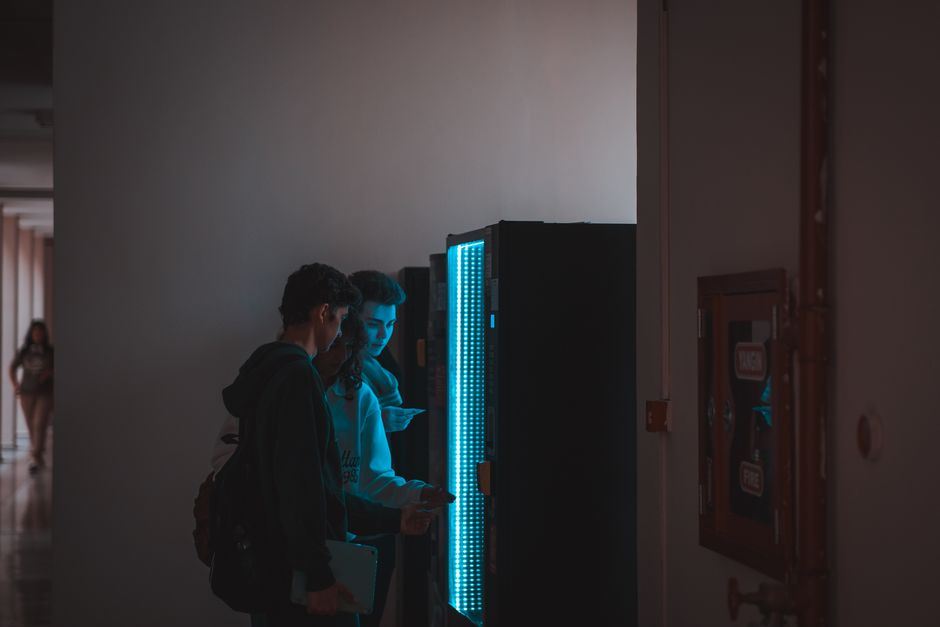
To put a vending machine in a school, you must follow the school district’s approval process, which typically involves submitting a proposal that meets federal nutrition standards (USDA Smart Snacks in School), obtaining administrative and school board approval, and signing a contract that specifies product guidelines and revenue sharing. The exact rules vary by state and district, but the core steps involve aligning with the National School Lunch Program requirements and addressing community concerns.
What are the main steps to get a vending machine approved in a school?
The approval process usually follows a clear sequence. First, you need to check with the school district’s food service department because they oversee all food sold on campus. Next, you must submit a formal proposal that includes the vending machine’s location, the products you plan to sell, and how you will comply with federal and local nutrition rules.
After the proposal, the school administration and often the school board review it. They may hold a public comment period or consult with parents and staff. Once approved, you sign a contract with the district that covers maintenance, revenue sharing, and the right to inspect the machine. Finally, the machine is installed and must be stocked only with approved items.
Who needs to approve a school vending machine?
Multiple parties have a say in the decision. The school principal typically reviews the initial request, but final approval often comes from the district’s food service director and the superintendent. Many districts also require school board approval because vending machines affect the campus food environment.
State laws can add another layer. For example, some states require a wellness committee or parent advisory group to weigh in. Federal regulations under the Healthy, Hunger-Free Kids Act apply only to schools that participate in the National School Lunch Program, which most public schools do. Private schools may have fewer requirements, but they still need to follow state and local health codes.
What nutrition rules apply to school vending machines?
The USDA’s Smart Snacks in School standards set strict limits for all foods sold outside of school meals. These rules apply during the school day and until 30 minutes after the last meal period. The standards require that snacks be whole-grain rich, have a fruit, vegetable, dairy, or protein as the first ingredient, or be a combination food that contains at least ¼ cup of fruit or vegetable.
In addition, the product must meet limits on total fat, saturated fat, trans fat, sugar, sodium, and calories. For example, a single-serving snack cannot exceed 200 calories for snack items or 350 calories for entrée items. Drinks sold in vending machines have separate rules: only water, low-fat milk, 100% fruit or vegetable juice, and certain milk alternatives are allowed in elementary and middle schools. High schools can sell some diet drinks and certain other beverages, but with strict portion limits.
These rules are not optional for public schools that accept federal funding. Violations can result in loss of reimbursement for school meals. It is recommend to check the USDA’s Smart Snacks Calculator or consult a registered dietitian to verify each product before stocking the machine.





How do you write a vending machine proposal for a school?
A strong proposal should cover several key points. Begin with an executive summary that states your goal and how it aligns with the school’s wellness policy. Include a list of proposed products and a statement that all items meet Smart Snacks standards. Attach nutrition labels or manufacturer documentation for each product.
You also need to address logistics: where the vending machine will be placed, who will restock and maintain it, and what revenue the school can expect. Many districts require a split of profits, often 10-30% for the school or a specific fund. Provide a draft contract that outlines these terms clearly.
Finally, include a plan for how you will inform parents and staff about the new machine. Some districts ask you to demonstrate community support, such as through a petition or survey. Keep the proposal brief—no more than three to four pages—and cite the specific federal guidelines you are following.
What about contracts and revenue sharing?
Contracts between a vendor and a school district are legally binding documents. They typically last one to three years and include a non-exclusivity clause so the district can work with other vendors. The contract should state that the vendor must comply with all federal, state, and local laws, including the Smart Snacks standards.
Revenue sharing is common. The school may receive a flat fee per machine, a percentage of sales, or a combination. For example, some districts negotiate 20% of gross sales. The vendor is responsible for installation, maintenance, and restocking. The contract should also include an audit clause so the district can verify sales records.
It is important to note that schools cannot accept contracts that require students to purchase specific items or that restrict the school’s ability to promote healthy options. The district’s legal counsel usually reviews the contract before it is signed.
What are the common obstacles and how to address them?
One common obstacle is pushback from parents concerned about childhood obesity and the availability of unhealthy snacks. To address this, make sure every product in the machine meets Smart Snacks standards. You can also include only water and healthier drinks to reduce criticism.
Another obstacle is the school food service department, which may see vending machines as competition to cafeteria sales. Offer to split revenue with the food service program or place the machine in a location that does not interfere with meal lines. Some districts require that vending machines be turned off during meal times, which is actually a federal rule for elementary and middle schools.
State laws can also impose additional restrictions. For example, California and Massachusetts have stricter beverage standards than the federal requirements. Research your state’s laws thoroughly before submitting a proposal. If you are uncertain, consult the district’s wellness policy coordinator.
Frequently Asked Questions
Frequently Asked Questions
Can a vending machine be placed in an elementary school?
Yes, but it must only contain items that meet the strictest federal standards, and many elementary schools choose not to have vending machines due to the emphasis on healthy eating during the school day.
Do vending machines need to be turned off during meal times?
Yes, federal regulations require vending machines to be turned off during the school meal service hours for all grade levels covered by the National School Lunch Program.
Who owns the vending machine — the school or the vendor?
Usually the vendor owns and maintains the machine, while the school provides the space and receives a portion of the profits under a contract agreement.
What happens if a school violates the Smart Snacks rules?
The school risks losing federal meal reimbursements and may be required to remove the vending machine or restock it with compliant products.
