
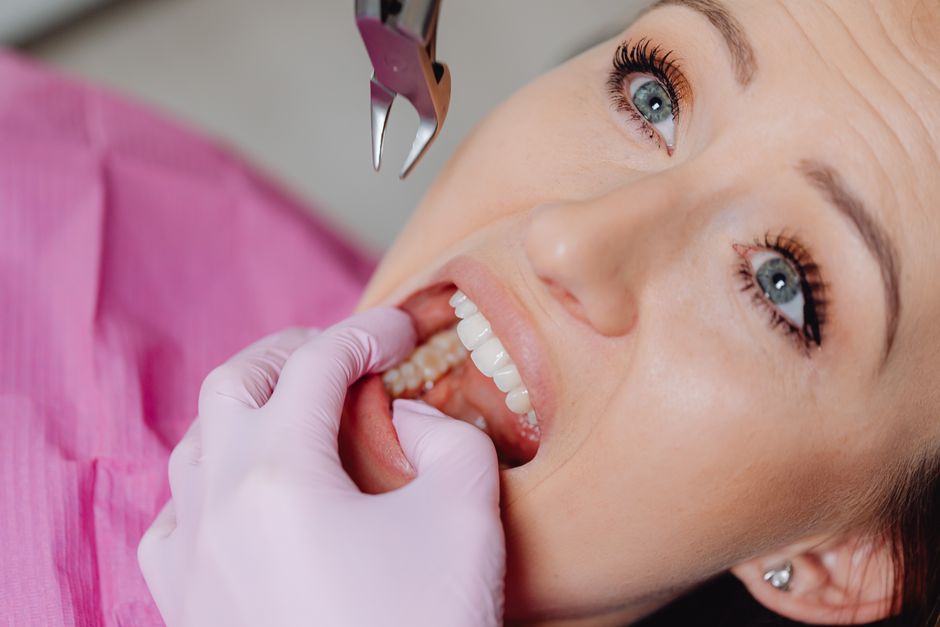
Pulling out a tooth is a bad idea in almost every situation. A permanent tooth that comes out on purpose will not grow back, and the socket it leaves behind can become infected. The only time a tooth should be pulled at home is when it is a baby tooth that is already very loose and ready to fall out on its own.
If you are dealing with a loose baby tooth, the safest method is gentle wiggling with clean fingers or the tongue over several days. Do not force it. If you are an adult with a loose or painful tooth, the right move is to see a dentist, not to pull it yourself.
Why You Should Almost Never Pull a Tooth at Home
Pulling a tooth is a surgical procedure, even when it looks simple. Dentists use X-rays, specialized instruments, and local anesthesia for good reasons.
A permanent tooth is anchored in the jawbone by a ligament and long roots. Yanking it out can break the root, fracture the surrounding bone, or tear the gum. Any piece left behind can become a source of infection.
The socket that remains is an open wound. In healthy people, it usually heals on its own over days to weeks. But a pulled tooth can lead to a painful condition called dry socket, where the protective blood clot is lost and bone and nerve are exposed. This is more likely when a tooth is pulled roughly or when the clot is disturbed afterward.
There is also the problem of what you cannot see. An infected tooth, a cracked root, or a tooth sitting near a nerve may look fine from the outside. Without an X-ray, you cannot know what you are dealing with. That is why dentists almost never recommend home extraction for adults.
When Is It Safe to Pull a Loose Baby Tooth?
A baby tooth that is already hanging by a thread can usually be removed at home with no special tools. The key word is already. If you have to tug hard, it is not ready.
Baby teeth loosen because the root dissolves naturally as the permanent tooth pushes up underneath. By the time a tooth is very loose, most of the root is gone. It often comes out with almost no effort, or even while eating.
Signs a baby tooth is ready to come out:
- It moves easily back and forth with light finger pressure.
- It tilts or twists without causing pain.
- It bleeds a little when wiggled, which is normal.
- Your child can push it with their tongue without discomfort.
If the tooth hurts when touched, is not very loose, or is not a baby tooth, do not pull it. Call a dentist instead.
How To Pull Out a Tooth: Step-by-Step for a Loose Baby Tooth
If a baby tooth is genuinely ready, the process is simple. Go slowly and stop if your child is in pain.
- Wash your hands with soap and water. Clean hands reduce the risk of introducing bacteria into the mouth.
- Have your child rinse with plain water or a mild saltwater rinse to clean the area.
- Grip the tooth with clean gauze or a tissue. This gives you a better hold and keeps your fingers from slipping.
- Wiggle gently back and forth and side to side. Use steady, light pressure. Do not twist hard or yank.
- Stop if it resists. If the tooth does not come out with gentle movement, it is not ready. Wait a few more days.
- Let your child help. Many kids can push a loose tooth out with their tongue, which is the gentlest method of all.
After the tooth comes out, have your child bite down on a clean piece of gauze for a few minutes to stop any minor bleeding. A small amount of blood is normal.




What Not To Do When a Tooth Is Loose
Some old tricks can cause real harm. Skip them.
Do not tie a string to a doorknob and slam the door. This is a popular image, but it can tear gum tissue, cause heavy bleeding, and frighten a child. It also risks pulling a tooth that is not ready, which can damage the permanent tooth underneath.
Do not use pliers, tweezers, or any tool. These are not designed for the mouth and can slip, cut gums, or break a tooth.
Do not pull a tooth that is not loose. A firmly anchored tooth has roots holding it in place. Forcing it out can cause bleeding, infection, and lasting damage.
Do not ignore pain or swelling. These are signs of infection or another problem that needs a dentist, not a home remedy.
What to Do If an Adult Tooth Comes Out
An adult tooth that is knocked out is a dental emergency, and the response is different from a loose baby tooth. If a permanent tooth is fully knocked out, it may be possible to save it, but time matters.
Handle the tooth by the crown, not the root. If it is dirty, rinse it briefly with milk or saline. If you can, place it back in the socket and bite gently on a clean cloth. If you cannot, keep it in milk or saline and get to a dentist right away.
Do not scrub the tooth. Do not let it dry out. Do not try to reimplant a baby tooth, because doing so can damage the permanent tooth forming underneath.
When to See a Dentist Instead
Some situations always call for professional care. Do not try to handle these at home.
- The tooth is a permanent tooth, not a baby tooth.
- The tooth is loose but not ready to fall out.
- There is pain, swelling, fever, or pus around the tooth or gum.
- The tooth is cracked, broken, or has a large cavity.
- Your child has a medical condition that affects healing or bleeding.
- The tooth is not loose but you want it removed for another reason.
A dentist can numb the area, take an X-ray, and remove the tooth safely. If a tooth needs to come out for orthodontic or other reasons, that is a planned procedure, not a home job.
How to Care for the Mouth After a Tooth Comes Out
After any tooth comes out, the socket needs a little care to heal well.
Have your child bite on clean gauze for a few minutes to control bleeding. For the first day, avoid vigorous rinsing, spitting, or sucking through a straw, because these actions can dislodge the blood clot that protects the socket. Keep the area clean by rinsing gently with warm saltwater starting the next day.
Offer soft foods and cool drinks for the first day or two. Avoid very hot, spicy, or crunchy foods that could irritate the area. Most small sockets from baby teeth heal quickly and without problems.
Call a dentist if bleeding does not stop, if pain gets worse after a few days, or if you notice swelling, fever, or a bad taste. These can be signs of infection or dry socket.
Understanding the Risks of Pulling a Tooth Yourself
The risks of home extraction are real and worth knowing.
Infection can develop if bacteria enter the open socket. This is more likely if the tooth was not ready to come out or if the area was not kept clean.
Dry socket happens when the blood clot that covers the bone is lost too early. It causes intense pain that often radiates to the ear, and it usually needs a dentist to treat.
Damage to the permanent tooth can occur if a baby tooth is forced out before it is ready. The permanent tooth may come in crooked or with defects.
Bleeding can be heavier than expected, especially in children with bleeding disorders or those taking certain medications.
These risks are why dentists recommend patience for baby teeth and professional care for everything else.
Frequently Asked Questions
How do you pull out a tooth that won’t come out?
If a tooth will not come out with gentle wiggling, it is not ready and should be left alone. Forcing it can damage the gum or the permanent tooth underneath, so see a dentist if it stays loose or becomes painful.
Can I pull my own adult tooth at home?
No. Pulling an adult tooth at home risks breaking the root, causing infection, and damaging the jaw, and a dentist should remove it instead. Home extraction is only reasonable for a baby tooth that is already very loose.
What should I do after a tooth comes out?
Bite on clean gauze to stop minor bleeding and avoid rinsing, spitting, or using a straw for the first day. Call a dentist if bleeding continues, pain worsens, or you notice swelling or fever.
Is it normal for a loose tooth to bleed?
A little bleeding when a very loose tooth is wiggled is normal and usually stops on its own. Heavy or ongoing bleeding is not normal and should be checked by a dentist or doctor.
