
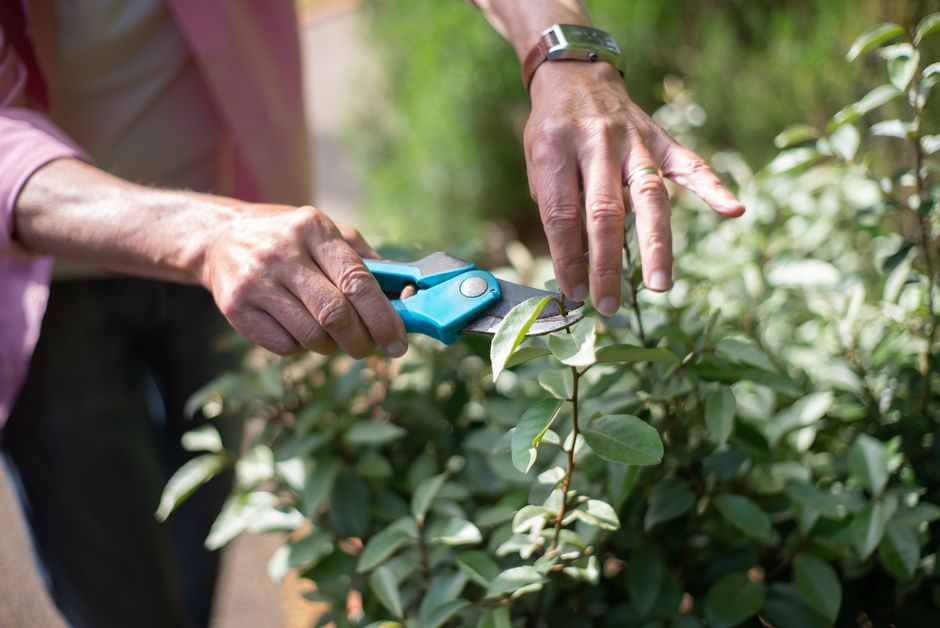
Muscadine vines that have gone several years without pruning become a tangled mass of old, woody growth with fruit only at the top. The fix is a hard renovation prune. Cut the entire vine back to a single main trunk about 3 to 4 feet above the ground during winter dormancy, then rebuild the vine’s structure over the next two seasons. This sounds drastic, but muscadines are vigorous and will regrow quickly. Done correctly, this restores healthy fruiting wood and makes the vine manageable again.
Why Muscadine Vines Need Annual Pruning
Muscadine grapes produce fruit only on new growth that emerges from the previous season’s buds. If you never prune, that productive new growth climbs higher and higher each year. Eventually, the vine is a thicket of old wood with leaves and fruit only at the top, out of reach and out of balance.
Annual pruning solves this. It forces the vine to send out new shoots low on the structure, close to the main trunk and cordons. These new shoots carry the current year’s fruit. Without this yearly reset, production drops and the vine becomes an impenetrable mass. The goal is not to reduce the vine’s size for aesthetics — it is to keep the fruit-bearing zone within reach.
When to Prune Overgrown Muscadine Vines
Prune only during winter dormancy. For most regions, this means January through early March, before buds begin to swell. Muscadines are native to the southeastern United States and tolerate cold well, but pruning during deep freezes is not ideal. Wait for a stretch of mild weather.
Do not prune in late spring or summer. Summer pruning removes the current season’s fruiting wood and opens the vine to sunburn on exposed trunks. It also stimulates late-season growth that will not harden off before winter. Winter pruning is the established practice for all muscadine varieties.
If your vine is severely overgrown, a single renovation cut is the most practical approach. Some growers prefer to spread renovation over two winters, cutting back one cordon each year. This is gentler on the vine but leaves you with a lopsided plant for a season. For most home gardeners, one hard cut is simpler and works well.
Step-by-Step Renovation Pruning
Start with clean, sharp tools. Bypass pruners handle growth up to about half an inch thick. Lopping shears manage branches up to one and a half inches. A pruning saw is necessary for the old, thick cordons on a neglected vine. Sterilize blades with rubbing alcohol between vines if you are pruning more than one plant. This prevents spreading fungal diseases like muscadine anthracnose.
Follow these steps for a badly overgrown vine:
- Select the strongest single trunk. Cut away all other trunks at ground level. Muscadines are often planted with two trunks, but renovation works best with one.
- Cut the trunk back to 3 to 4 feet above the ground. Make the cut just above a healthy bud or small lateral branch. This height forces new shoots low, where you can train them.
- Remove all old cordons. These are the horizontal arms that grew along the trellis wire. They will be thick, bark-covered, and unproductive. Cut them off completely.
- Thin out regrowth the following spring. The stump will push out many shoots. Keep the strongest two or three near the top of the cut. Remove the rest.
- Tie new shoots to the trellis. As they grow, train them along the wire. By the second winter, you will have new cordons in place.
This renovation removes 90 percent or more of the vine’s top growth. That is expected. Muscadines have a strong root system and will respond with vigorous new shoots in the spring. Do not be alarmed if the vine looks like a bare stump for several months.





Rebuilding a Healthy Trellis Structure
After the initial hard cut, the vine needs a second winter of pruning to establish a permanent framework. The standard system for muscadines is a single trunk with two cordons trained along a wire at about 5 to 6 feet high. This is called the single-curtain system.
During the first summer after renovation, the new shoots grow rapidly. Select two lateral shoots that form a rough T shape near the top of the trunk. Remove all other shoots. Tie these two laterals loosely to the wire as they grow. They will become your permanent cordons.
That winter, prune the cordons back to about 6 to 8 feet long on each side of the trunk. Shorten all side branches along the cordons to two-bud spurs. These spurs are the foundation of next year’s fruit. This second winter sets the structure for the life of the vine.
From the third year on, routine maintenance is straightforward. Each winter, cut back all side shoots from the previous season to two-bud spurs. Remove any growth that escapes the trellis. Thin cordons that have become crowded. This annual two-bud spur pruning is the single most important habit for consistent muscadine production.
How Much to Cut on a Moderately Overgrown Vine
Not every neglected vine requires a full renovation to the trunk. If the vine still has a clear trunk and the cordons are intact but crowded, a less aggressive approach works. Assess the vine honestly before cutting.
For a vine with healthy cordons but too many side branches, remove about half to two-thirds of the previous season’s growth. Cut back remaining shoots to two or three buds. Remove any branch that is older than two years unless it is a main cordon. Old, gray, bark-covered wood will not fruit reliably.
For a vine with cordons that have grown far beyond the trellis and drooped to the ground, shorten each cordon to the trellis wire. Cut back to a point where the cordon is still young and supple. Then thin the side shoots on that shortened cordon to two-bud spurs spaced about 6 to 8 inches apart.
The key difference between renovation and maintenance pruning is whether you keep the trunk. If the trunk is healthy and straight, keep it. If the vine is a multi-trunked bush with no clear structure, start over with a single trunk cut.
Common Pruning Mistakes to Avoid
The most common mistake is pruning too lightly. Home gardeners often remove only the dead wood and a few long shoots, leaving most of the vine intact. This does not solve the problem of fruit migrating upward. Muscadines need aggressive annual pruning. When in doubt, cut more, not less.
The second mistake is cutting at the wrong time. Pruning in late winter is correct. Pruning in fall leaves the vine vulnerable to cold injury at the cut sites. Pruning in spring after bud break causes heavy sap flow and reduces vigor.
A third mistake is leaving cut stubs. Always cut back to a bud, a lateral branch, or the main trunk. Stubs die back and become entry points for disease. Clean cuts heal faster and keep the vine healthy.
Finally, do not remove all the new growth in spring. After a renovation cut, the vine needs leaves to rebuild its energy reserves. The shoots you leave in the first summer are the vine’s engine for recovery. Only thin them, never strip them.
What to Expect After a Hard Pruning
A renovated muscadine vine will not produce a full crop in the first year after the hard cut. It may produce a small amount of fruit on the new shoots, but the priority is root and structure recovery. Removing fruit clusters in the first summer after renovation is sometimes recommended to push all energy into growth. This is optional but speeds up establishment.
By the second year, the new cordons will be established. Expect a partial crop. By the third year after renovation, the vine should be back to full production. Muscadines are resilient plants. They respond well to hard pruning and will outlive most gardeners if given annual care.
Fruit quality also improves after renovation. Overgrown vines produce small, poorly colored fruit because of heavy shading. Opening the canopy to sunlight improves berry size, sugar content, and flavor. This is one of the clearest benefits of restoring a neglected vine.
Tools and Safety for Pruning Mature Vines
Pruning an overgrown muscadine is physical work. The old wood is dense and the vine may have grown into surrounding trees or structures. Before you start, clear the area around the vine so you have room to work and a clear path for falling debris.
Wear leather gloves and eye protection. Old muscadine bark is rough and can scratch. Thorns from nearby plants are a real hazard. Long sleeves are recommended even in winter.
For very thick trunks, a pruning saw with a curved blade works best. A reciprocating saw with a pruning blade speeds up the work on trunks over 3 inches thick. Do not use an axe. Axe cuts are ragged and damage the cambium layer needed for healing.
Dispose of removed wood promptly. Muscadine prunings can harbor fungal spores and insect eggs. Do not compost them if you had disease problems. Burn them or bag them for disposal.
Frequently Asked Questions
Will a muscadine vine survive being cut all the way back?
Yes, muscadine vines survive hard renovation cuts to the main trunk. They have large root systems that fuel rapid regrowth the following spring.
Can you prune muscadine vines in the summer?
No, summer pruning removes the current season’s fruiting wood and can cause sunburn. Prune only during winter dormancy.
How long does it take a renovated muscadine vine to fruit again?
Expect a partial crop in the second year and full production by the third year after renovation. The first year is dedicated to regrowing the vine’s structure.
What is the best height to cut a muscadine trunk for renovation?
Cut the trunk back to 3 to 4 feet above the ground. This forces new shoots low enough to train onto the trellis wire.
