
Pregnancy changes almost everything in your body, and your mouth is no exception. Hormonal shifts make your gums more sensitive to plaque, which can lead to swelling, bleeding, and tenderness. The good news is that the core habits that protect your teeth and gums during pregnancy are the same ones that work at any other time: brush twice daily with fluoride toothpaste, clean between your teeth every day, limit sugary and acidic drinks, and see a dentist for a checkup and professional cleaning. What changes during pregnancy is how strongly your gums may react to plaque, and how important it becomes to stay on top of those habits.
Why Do Pregnancy Hormones Affect Your Gums?
During pregnancy, levels of estrogen and progesterone rise substantially. These hormones do not create gum disease on their own. They change how your gum tissue responds to the bacteria that are already present in plaque.
Progesterone increases blood flow to the gums and can make blood vessels more permeable. It may also affect the local immune response in gum tissue. The result is that a small amount of plaque that might cause mild irritation at another time can trigger noticeable swelling, redness, and bleeding during pregnancy. This condition is often called pregnancy gingivitis.
Research consistently shows that pregnancy gingivitis is common. It typically appears in the second trimester, though it can start earlier. It is not caused by poor hygiene alone — even people with good oral care can develop it. But plaque is still the trigger, which is why removing plaque thoroughly every day makes a real difference.
One point worth knowing: pregnancy gingivitis usually improves after delivery as hormone levels return to baseline. That does not mean it should be ignored while it is happening. Untreated gum inflammation can progress, and there is evidence linking severe gum disease in pregnancy to broader health concerns discussed later in this article.
How To Protect Your Teeth And Gums During Pregnancy?
The daily routine matters more than any single product. Here is what the evidence supports.
Brush twice a day with fluoride toothpaste. Use a soft-bristled toothbrush and brush for about two minutes. If brushing makes you gag — a common problem in early pregnancy — try a smaller brush head, brush more slowly, or switch to a bland-tasting toothpaste. Gagging is not a reason to skip brushing; it is a reason to adjust how you do it.
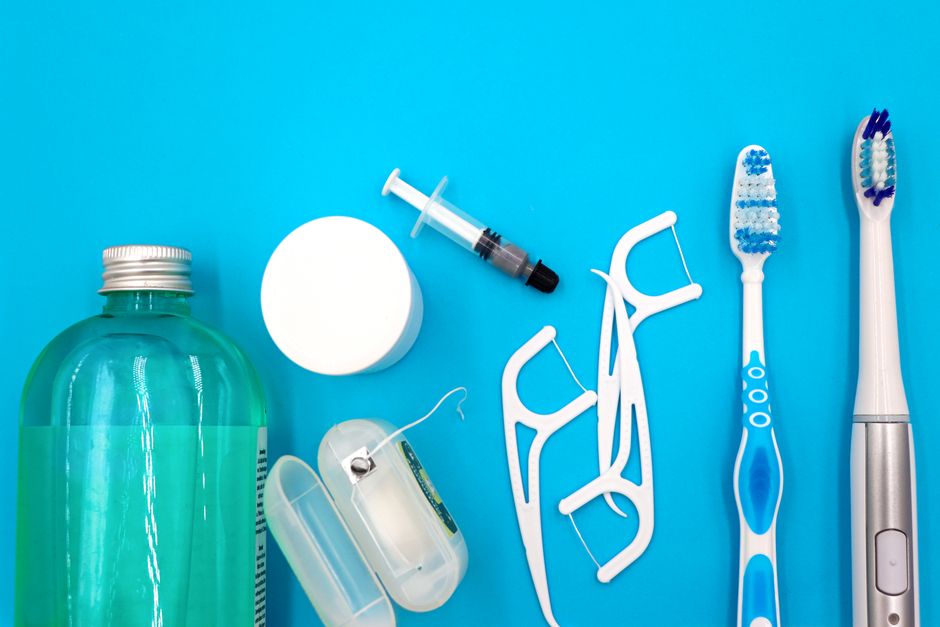
Clean between your teeth once a day. Floss, interdental brushes, or a water flosser all remove plaque from areas a toothbrush cannot reach. This step matters especially during pregnancy because gum inflammation tends to start between teeth.
Rinse with water after vomiting. Morning sickness exposes teeth to stomach acid. Brushing right away can scrub that acid into the enamel. Rinse with plain water or a fluoride mouthwash first, wait about 30 minutes, then brush. Some clinicians also suggest a small dab of fluoride toothpaste rubbed on the teeth after rinsing.
Limit sugary and acidic drinks. Frequent sipping of soda, juice, or sweetened coffee keeps teeth under acid attack. Water is the better default, especially between meals.
Keep dental appointments. Routine dental care — including cleanings and necessary treatment — is considered safe during pregnancy. Tell your dentist you are pregnant so they can plan around it. Preventive cleanings help control the plaque that drives pregnancy gingivitis.
Is Dental Treatment Safe During Pregnancy?
Routine dental care is safe during pregnancy and is generally encouraged. This includes exams, cleanings, X-rays when needed, and treatment for active problems like cavities or gum disease.
Dental X-rays use very low radiation, and with a lead apron and thyroid collar, the exposure to the fetus is negligible. Dental infections that go untreated can become serious, and the risks of leaving them alone generally outweigh the small risks of treatment. If you need a procedure, the second trimester is often a comfortable time to schedule non-urgent work, but urgent care should not be delayed.
Local anesthetics commonly used in dentistry, such as lidocaine, are considered acceptable during pregnancy when clinically needed. If you need pain medication afterward, acetaminophen is generally the preferred option. Avoid taking aspirin or ibuprofen without talking to your doctor first, especially in the later stages of pregnancy.
Always tell your dental team about your pregnancy and any medications you take. That single step lets them adjust care appropriately.



Does Gum Disease Affect Pregnancy Outcomes?
This is where the evidence gets more complicated, and it is important to be honest about that.
Some studies suggest an association between severe gum disease (periodontitis) and adverse pregnancy outcomes such as preterm birth or low birth weight. Other studies have not found this link, and the evidence overall is mixed. An association does not prove that gum disease causes these outcomes — it may be that other factors influence both.
What is clearer is that treating gum disease during pregnancy is safe and helps your oral health. Whether treatment reduces the risk of preterm birth is not established. Some trials have looked at this question and results have varied. The honest position: treating gum disease in pregnancy is worthwhile for your mouth, but it should not be presented as a proven way to prevent preterm birth.
If you have symptoms like gums that bleed easily, persistent bad breath, receding gums, or loose teeth, get evaluated. These can signal periodontitis, which deserves attention regardless of pregnancy.
What About Morning Sickness and Tooth Erosion?
Frequent vomiting exposes teeth to stomach acid, which can soften enamel over time. This is called dental erosion, and it is a real concern for people with severe morning sickness.
The key habit is to avoid brushing immediately after vomiting. Rinse with water or a fluoride mouthwash, wait about 30 minutes, then brush. This gives saliva time to neutralize acid and lets softened enamel reharden before you scrub it.
Other steps that help:
- Chew sugar-free gum with xylitol after rinsing to stimulate saliva.
- Use a fluoride toothpaste and consider a fluoride mouthwash if your dentist recommends one.
- Stay hydrated — dry mouth makes erosion worse.
- Avoid brushing aggressively; gentle pressure is enough.
If morning sickness is severe and you cannot keep fluids down, contact your doctor. That is a medical issue beyond dental care.
Do You Need Extra Calcium or Other Nutrients?
A common myth is that pregnancy “leaches” calcium from your teeth. It does not. Your teeth are not a reservoir that the body draws from when calcium is low. If your calcium intake is inadequate, your body pulls calcium from your bones, not your teeth.
That said, getting enough calcium and vitamin D supports your overall health and your baby’s developing skeleton. The amounts recommended during pregnancy are established in national guidelines. Your prenatal care provider can tell you whether your diet covers them or whether a supplement is appropriate.
There is no evidence that special toothpastes, rinses, or supplements marketed for “pregnancy oral health” do anything beyond standard fluoride toothpaste and good hygiene. If a product claims to prevent pregnancy gum problems, that claim is not supported by clinical trials.
When Should You See a Dentist?
See a dentist for a checkup early in pregnancy if you have not had one recently. After that, routine visits every six months are typical, though your dentist may recommend a different schedule based on your gum health.
Contact a dentist sooner if you notice:
- Gums that bleed when you brush or floss
- Persistent bad breath or a bad taste
- Swollen, tender, or receding gums
- Loose teeth or changes in how your teeth fit together
- Pain or a visible cavity
These signs are not something to wait out until after delivery. Gum disease can progress, and early treatment is simpler than later treatment.
What Habits Should You Avoid?
Some habits carry clear risks during pregnancy.
Smoking. Smoking harms gum health and is linked to low birth weight and other pregnancy complications. Quitting at any point in pregnancy benefits both you and your baby.
Alcohol-based mouthwash in large amounts. Small amounts of alcohol from mouthwash are not considered a significant risk, but if you prefer to avoid it, alcohol-free options work well.
Delaying dental care out of fear. Untreated dental problems can worsen and, in rare cases, lead to serious infections. Dental treatment is safe, and delaying it is usually the bigger risk.
Sharing toothbrushes or dental tools. This can spread bacteria that contribute to gum disease. It is a small habit with a real benefit.
Frequently Asked Questions
Can I go to the dentist while pregnant?
Yes. Routine dental care, including cleanings and necessary treatment, is considered safe during pregnancy. Tell your dentist you are pregnant so they can plan care appropriately.
Why do my gums bleed more during pregnancy?
Hormonal changes make gum tissue more sensitive to plaque, which can cause swelling and bleeding. This is called pregnancy gingivitis and usually improves after delivery.
Is it safe to get dental X-rays while pregnant?
Dental X-rays use very low radiation, and with a lead apron and thyroid collar, exposure to the fetus is negligible. They are generally considered safe when clinically needed.
Does gum disease cause preterm birth?
Some studies suggest an association, but the evidence is mixed and causation has not been established. Treating gum disease during pregnancy is still worthwhile for your oral health.
