
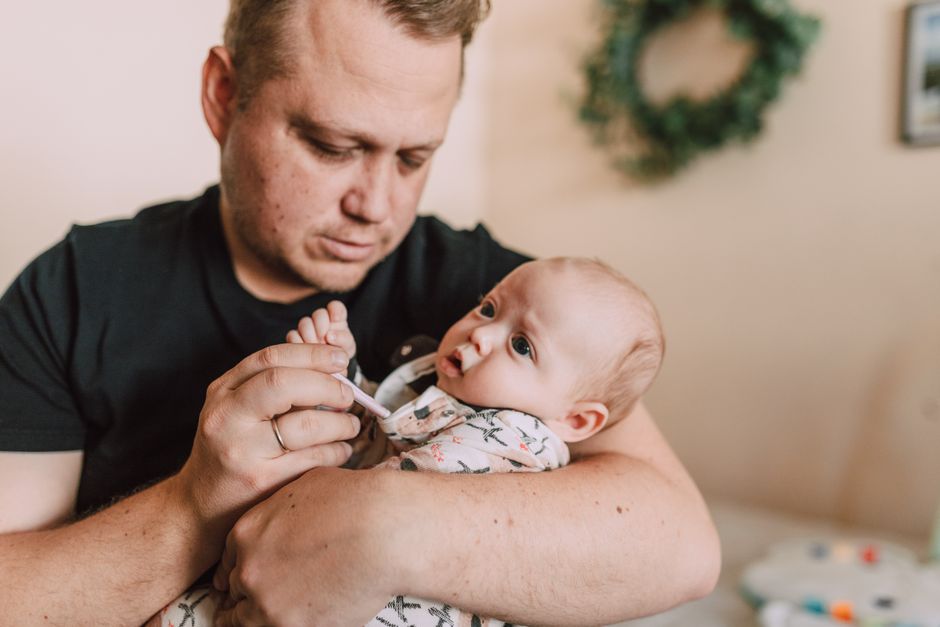
A newborn’s immune system is still developing, and their airways are tiny. That combination makes any respiratory virus a serious concern in the first few months of life. When it comes to COVID-19, protection does not come from one single action. It comes from the people around the baby.
The most effective way to protect a newborn from COVID-19 is to keep the virus away from them. That means the adults and older children who hold, feed, and care for the baby should be vaccinated and up to date on recommended boosters, stay current on their own health, and avoid contact with the baby when sick. Breastfeeding also passes antibodies to the baby, and hand hygiene reduces the spread of the virus on surfaces and skin.
How dangerous is COVID-19 for a newborn?
Most newborns who get COVID-19 have mild illness. Research published in the journal Pediatrics and other pediatric studies have generally found that severe outcomes in this age group are uncommon. Many infected newborns have no symptoms at all, or only mild ones like a stuffy nose, poor feeding, or irritability.
That does not mean the risk is zero. Newborns have small airways, so even mild congestion can make breathing and feeding harder. Fever in a baby under 3 months old is always treated as a medical concern, regardless of the cause. Infants in this age group can also have a harder time clearing any respiratory infection, and some develop more serious breathing problems.
There is another factor worth understanding. Babies born to mothers who had COVID-19 during pregnancy may have some protection from antibodies passed across the placenta, but the amount and how long it lasts varies. It is not a guarantee. This is one reason the people around the baby matter so much.
How To Protect Newborns From Covid: The Steps That Actually Help
The single most important step is to make sure everyone who has close contact with the baby is vaccinated against COVID-19 and up to date on their recommended doses. This is the “cocoon” approach. You cannot vaccinate a newborn against COVID-19 in most cases, so you reduce the chance the virus ever reaches them.
COVID-19 vaccines are not currently recommended for infants under 6 months in the United States. That age threshold is set by public health guidance and can change, so check current recommendations. Because the baby cannot be vaccinated, the protection has to come from the people around them.
Beyond vaccination, these steps matter:
- Keep the baby away from anyone who is sick or has symptoms like cough, fever, or sore throat.
- Ask visitors to wash their hands before holding the baby.
- Avoid crowded indoor gatherings in the baby’s first months when virus levels in your community are high.
- Keep the baby’s space well ventilated when people are visiting.
- Delay non-essential visits if you or a household member is sick.
None of these steps is perfect on its own. Together, they lower the odds the virus reaches a baby whose immune system is still learning.
Does breastfeeding protect a newborn from COVID-19?
Breast milk contains antibodies and other immune factors, and some research has found antibodies against the virus in the milk of mothers who were infected or vaccinated. That is a real biological effect. What is less certain is how much clinical protection it provides to the baby against infection.
Current guidance from major health organizations supports breastfeeding even when a mother has COVID-19 or has been vaccinated. The known benefits of breast milk are well established. The specific added protection against COVID-19 is plausible and supported by some evidence, but the size of that effect in real-world terms is not firmly settled.
If a mother is sick, she can continue breastfeeding. She should wash her hands before feeding, and consider wearing a mask while feeding or holding the baby if she has symptoms. Expressing milk and having a healthy caregiver feed the baby is another option if the mother is very unwell.




What should you do if someone in the household gets sick?
Act quickly. The goal is to separate the sick person from the newborn as much as your home allows, and to reduce the virus in the air and on surfaces.
If possible, the sick person should stay in a separate room and use a separate bathroom. They should wear a well-fitting mask when they must be near the baby or in shared spaces. Everyone should wash their hands often. Open windows and use fans or air purifiers to improve ventilation. Clean high-touch surfaces regularly.
If the mother is the one who is sick, complete separation is often not realistic, especially with a newborn who is feeding frequently. In that case, hand hygiene, masking while feeding, and good ventilation become the main tools. This is a situation where talking to your baby’s doctor is worth doing, because they can give advice specific to your baby’s health and age.
When should you call a doctor about a newborn?
Call your baby’s doctor right away if a newborn has a fever of 100.4°F (38°C) or higher. In a baby under 3 months old, this is a medical concern that needs prompt evaluation, no matter what is causing it.
Other signs that need urgent attention include:
- Trouble breathing, fast breathing, or pauses in breathing
- Poor feeding, refusing to eat, or fewer wet diapers
- Unusual sleepiness or difficulty waking
- Persistent crying or irritability that does not settle
- Bluish color around the lips or face
These signs are not specific to COVID-19. They can point to many conditions, and a doctor needs to sort out the cause. Do not wait to see if things improve on their own when a newborn is involved.
Are there treatments for COVID-19 in newborns?
There is no at-home treatment for COVID-19 in a newborn. Care focuses on supporting the baby: keeping them hydrated, helping them feed, and watching their breathing. If a newborn becomes seriously ill, they may need hospital care and supportive treatment.
Do not give a newborn any over-the-counter cold or cough medicine. These are not safe for infants, and they do not treat the virus. The same caution applies to any medication a newborn has not been specifically prescribed. Fever-reducing medicine for a newborn should only be given on a doctor’s guidance, because the dose depends on weight and age, and because the fever itself needs to be evaluated.
What about masks and visitors?
Masks work best when the person who might be infected wears one. A newborn cannot wear a mask, and it is not safe to put one on an infant. So the protection flows the other direction: sick or exposed adults wear masks around the baby.
For visitors, the simplest rule is honesty. Ask people to stay away if they have any symptoms or have been recently exposed to someone with COVID-19. Ask them to wash their hands before holding the baby. If virus levels in your community are high, it is reasonable to limit indoor visits and keep gatherings small.
You do not have to keep the baby isolated from the world. You do have to be selective in the first few months, when the risk of any infection is highest and the baby’s ability to handle it is lowest.
Frequently Asked Questions
Can newborns get COVID-19?
Yes, newborns can get COVID-19, though most cases in this age group are mild or have no symptoms. Severe illness is uncommon but possible, so any fever in a baby under 3 months old needs prompt medical attention.
Can I hold my newborn if I have COVID-19?
Yes, you can still care for and feed your baby, and current guidance supports breastfeeding even when a mother is infected. Wash your hands first and wear a mask while holding or feeding the baby if you have symptoms.
Do newborns need a COVID-19 vaccine?
COVID-19 vaccines are not currently recommended for infants under 6 months in the United States. Because the baby cannot be vaccinated, protection depends on the people around them being vaccinated and staying up to date.
How long should I keep visitors away from my newborn?
There is no single set number of weeks that applies to every family. A reasonable approach is to limit indoor visitors during the baby’s first months and whenever virus levels in your community are high, and to keep anyone who is sick away from the baby.
