
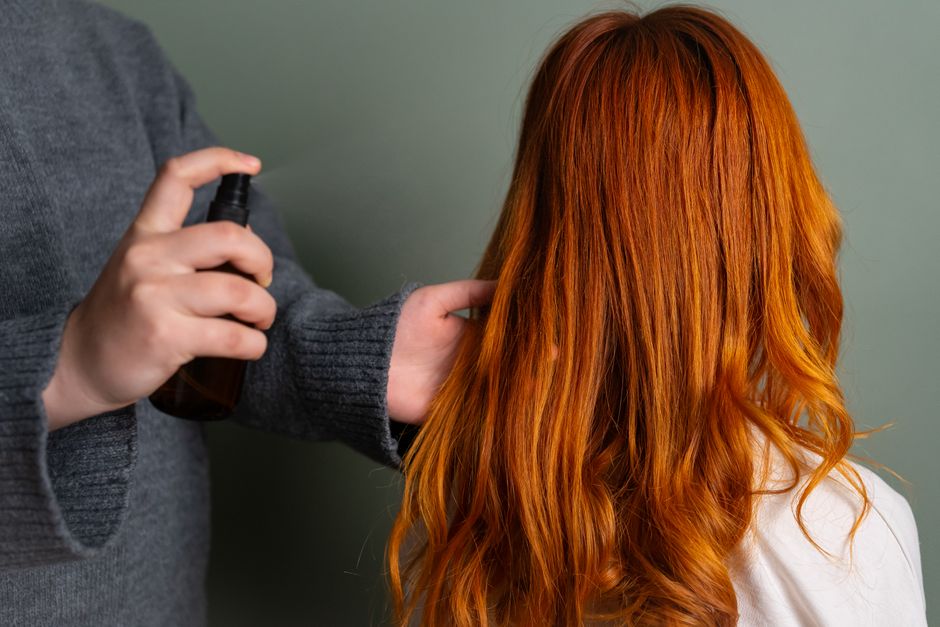
Conditioning your hair properly comes down to matching the product and technique to your hair’s texture, porosity, and oiliness — not to a single “best” routine. Fine hair usually needs lightweight conditioners applied only to the ends, while thick, dry, or curly hair can handle richer formulas and more frequent conditioning. The single most common mistake is applying heavy conditioner to the scalp and roots, which weighs hair down and can leave it looking greasy.
Hair type isn’t just about whether your hair is straight or curly. It also includes how much oil your scalp produces and how well your hair absorbs and holds moisture — a property called porosity. Get those two things right, and most of the guesswork about conditioning disappears.
What Is Hair Porosity And Why Does It Matter For Conditioning?
Porosity describes how easily your hair absorbs and retains moisture, and it changes how you should condition more than curl pattern does. Hair is made of an outer layer of overlapping scales called the cuticle. When those scales lie flat and tight, moisture has a hard time getting in and out — that’s low porosity. When they’re raised or damaged, moisture escapes quickly — that’s high porosity.
You can get a rough sense of your porosity with a simple observation rather than a test. Low-porosity hair tends to take a while to get fully wet in the shower and can feel like product sits on top of it. High-porosity hair soaks up water fast but dries fast too, and often feels dry or frizzy shortly after washing.
This matters because the same conditioner behaves differently on each type:
- Low porosity: Heavy butters and oils tend to sit on the surface and build up. Lightweight, water-based conditioners and occasional clarifying work better.
- Medium porosity: Most standard conditioners work well. This is the least fussy type.
- High porosity: Hair loses moisture fast, so richer conditioners with oils, butters, or proteins can help slow that loss. Protein treatments can temporarily fill gaps in damaged cuticles, though overuse can make hair stiff and brittle.
Porosity is largely determined by how much chemical or heat damage the hair has sustained, along with genetics. It is not fixed forever — hair that has been bleached or repeatedly heat-styled tends to become more porous over time.
How To Properly Condition Your Hair By Hair Type?
The core rule is simple: the finer and oilier your hair, the lighter and more targeted your conditioning should be. The thicker and drier your hair, the more you can apply and the more often you can do it.
Here is how the main types break down in practice.
Fine Hair
Fine hair has a smaller diameter per strand, which means it weighs down easily and shows oil quickly. Use a lightweight conditioner and apply it from the mid-lengths to the ends only. Keep it off the scalp entirely. Rinse thoroughly — leftover product is what makes fine hair look flat. Many people with fine hair find they can condition every other wash rather than every time.
Medium Texture, Straight Or Wavy Hair
This is the most forgiving category. A standard conditioner applied to the mid-lengths and ends after shampooing works for most people. If your scalp is oily but your ends are dry, condition just the ends. If your scalp is normal, you can bring it a little closer to the roots without much risk.
Thick Or Coarse Hair
Thick hair often needs more product and more time. A richer conditioner or a deep-conditioning mask used regularly can help with manageability. Because coarse strands tend to be drier, you can usually apply conditioner closer to the scalp without it looking greasy. Leaving it on for a few minutes before rinsing gives it more time to work.
Curly Hair
Curls naturally have a harder time getting scalp oils down the length of the strand, because the bends in the hair slow that movement. That’s why curly hair tends to be drier at the ends. Curly hair usually benefits from a richer, more moisturizing conditioner and from conditioning more often. Many people with curls also use a leave-in conditioner or a styling product applied to wet hair to help hold moisture. The trade-off is that heavy products can build up, so periodic clarifying helps.
Coily Hair
Coily hair is the most fragile and the most prone to dryness, largely because of how tightly the strands bend. Moisture retention is the priority. Rich conditioners, deep-conditioning treatments, and leave-in products are common. Because coily hair breaks easily when dry, detangling with conditioner in it — rather than on dry hair — is a widely used approach to reduce breakage.
Color-Treated Or Chemically Straightened Hair
Chemical treatments raise the cuticle and make hair more porous, so it usually needs more moisture than untreated hair of the same texture. Richer conditioners and periodic protein treatments are common, but protein should be used cautiously — too much can make hair feel stiff and prone to snapping.
Does The Order Of Shampoo And Conditioner Matter?
For most people, shampooing first and conditioning second is the right order, because shampoo lifts oil and product while conditioner smooths the cuticle back down. There is a technique some people with very dry or damaged hair use called pre-pooing — applying oil or conditioner before shampooing to limit how much the cleanser strips out. The idea is reasonable, but the evidence for it is limited, and it’s more of a practical preference than a proven method.
What matters more than order is rinsing. Conditioner left in the hair unintentionally can weigh it down and attract dirt. If you want leave-in conditioning, use a product made for it rather than skipping the rinse on a regular conditioner.





How Often Should You Condition?
There’s no single correct frequency — it depends on your hair and scalp. People with oily scalps and fine hair often condition every other wash or less. People with dry, curly, or coily hair often condition every wash, and sometimes more often with leave-in products.
A practical way to decide: if your hair feels greasy or limp within a day of washing, you’re likely using too much or too heavy a conditioner. If it feels dry, rough, or tangles easily, you likely need more moisture or a richer formula.
Do You Need A Deep Conditioner Or A Leave-In?
Deep conditioners and leave-in conditioners do different jobs, and neither is mandatory. A deep conditioner is a heavier treatment left on for a set time, usually once a week or less, to add moisture or protein. A leave-in conditioner stays in the hair to provide ongoing moisture and slip for detangling.
Deep conditioning is most useful for hair that is dry, damaged, or highly porous. For healthy, low-porosity hair, frequent deep conditioning can cause buildup rather than benefit. Leave-in products are most useful for curly, coily, or very dry hair that loses moisture quickly.
One point worth being clear about: the word “repair” gets used loosely in hair marketing. Conditioners can smooth the cuticle, reduce friction, and temporarily fill gaps in damaged hair, which makes it look and feel healthier. They cannot permanently rebuild hair that has been chemically broken down. Hair is not living tissue — once a strand is damaged, the damage is permanent until that hair grows out or is cut.
What About Protein In Conditioners?
Protein ingredients can temporarily attach to damaged areas of the hair and give it a stronger feel. For hair that has been bleached, colored, or heat-damaged, a protein treatment sometimes helps. But protein is not automatically good for everyone. On low-porosity or already-strong hair, protein can build up and leave hair feeling stiff, straw-like, and more prone to breaking.
The signs of protein overload — stiffness, brittleness, and rough texture — can look similar to dryness, which is why people sometimes add more protein when they actually need moisture. If protein treatments make your hair feel worse rather than better, that’s a signal to cut back.
Common Conditioning Mistakes
Most conditioning problems come down to a handful of habits.
- Applying conditioner to the scalp and roots, which weighs down fine or oily hair.
- Not rinsing thoroughly, leaving residue that attracts dirt and flattens hair.
- Using a heavy product on fine hair, or a lightweight one on very dry hair.
- Overusing protein treatments on hair that doesn’t need them.
- Skipping conditioner entirely on dry or curly hair to avoid greasiness, when the real issue is placement rather than the product itself.
If you’re not sure where to start, match the weight of your conditioner to your hair’s thickness and dryness, apply it to the ends first, and adjust from there. Small changes in placement and product weight usually fix more problems than switching brands.
Frequently Asked Questions
Should I condition my scalp?
Most people should not apply regular conditioner directly to the scalp, because it can weigh hair down and contribute to greasiness. People with very dry scalps or coarse, dry hair can often apply it closer to the roots without problems.
How do I know if my hair is low or high porosity?
Low-porosity hair takes a long time to get fully wet and often feels like product sits on top of it, while high-porosity hair absorbs water quickly and dries fast. These are general signs, not a precise measurement.
Can conditioner actually repair damaged hair?
No. Conditioner can smooth the cuticle and temporarily fill gaps so hair looks and feels healthier, but it cannot permanently rebuild hair that has been chemically or heat damaged.
Is it bad to condition every day?
Not necessarily — it depends on your hair type. Fine or oily hair may look limp with daily conditioning, while dry, curly, or coily hair often benefits from it.
