
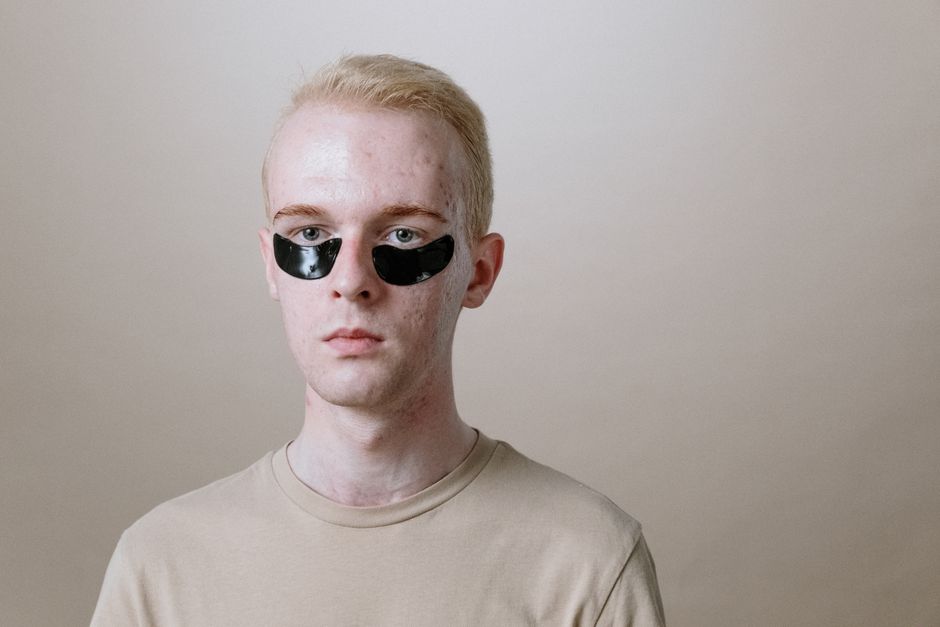
A popped pimple is an open wound, and treating it that way is the fastest route to healing. Clean it gently, keep it moist with a thin layer of petroleum jelly, cover it with a small bandage, and leave it alone. Do not squeeze it again, do not apply harsh acids or scrubs, and do not pick at the scab that forms. This approach lowers the chance of infection and scarring far more than any spot treatment applied after the damage is done.
What Actually Happens When You Pop a Pimple?
A pimple forms when a hair follicle gets blocked by oil and dead skin cells. Bacteria that normally live on the skin, mainly Cutibacterium acnes, can multiply inside that blocked pore. The body responds with inflammation, which is what creates the redness, swelling, and tenderness.
When you squeeze, you are applying pressure to an inflamed, pressurized pocket. If the contents push upward and out through the pore opening, the damage may be limited. If they rupture downward into the surrounding dermis, the deeper layer of skin, the inflammatory contents spill into tissue that is not built to contain them.
That downward rupture is the problem. It triggers a stronger immune response, and the enzymes and inflammatory cells involved can break down collagen and elastin — the structural proteins that keep skin smooth and even. This is the mechanism behind most acne scars. The visible surface damage from squeezing is often minor compared to what happens underneath.
An open pimple is also a break in the skin barrier. That creates a direct route for bacteria from your hands or environment to enter, which can turn a controlled inflammatory bump into an infected lesion.
How Do You Treat a Pimple You Already Popped?
Treat it as a minor wound. The goal is to keep it clean, keep it moist, and keep your hands off it.
- Wash gently. Use lukewarm water and a mild, fragrance-free cleanser. Pat dry with a clean towel. Do not scrub.
- Apply a thin layer of petroleum jelly. Moist wound healing is well established in wound care. A dry, crusted surface heals more slowly and is more likely to scar.
- Cover it. A small bandage or hydrocolloid patch keeps bacteria out and stops you from touching it. Hydrocolloid patches also absorb fluid, which can help a draining pimple.
- Leave it alone. Do not re-squeeze, do not pick the scab, do not apply alcohol, hydrogen peroxide, or toothpaste. These dry out the skin and delay healing.
If the area becomes hot, increasingly painful, or develops spreading redness, that suggests infection and warrants a medical evaluation. A fever with a skin lesion is also a reason to seek care.
Over-the-counter acne ingredients like benzoyl peroxide or salicylic acid can help with surrounding acne, but applying them to a fresh open wound often stings and can irritate healing tissue. Some clinicians suggest waiting until the wound has closed before resuming those products. This is common practice rather than something confirmed by large trials.
How Long Does a Popped Pimple Take to Heal?
A superficial popped pimple typically heals within a few days to about a week. Deeper inflammation can take longer, sometimes two weeks or more, and may leave a mark that fades over months.
Two different things happen after a pimple resolves, and people often confuse them:
- Post-inflammatory hyperpigmentation (PIH) is a flat, brown or dark mark left where the pimple was. It is not a scar. It is excess melanin deposited during inflammation, and it fades over time — often within several months, though it can persist longer in darker skin tones.
- A true scar is a change in skin texture — a dent (atrophic scar), a raised bump (hypertrophic or keloid scar), or a permanent color change. True scars do not fade on their own the way PIH does.
This distinction matters because it changes what you do. PIH responds to time and sun protection. True scars may need dermatologic treatment.




What Raises Your Risk of Scarring?
Not every popped pimple scars. Several factors influence whether one does.
- Depth of inflammation. The deeper and more prolonged the inflammation, the higher the risk. This is why nodular and cystic acne scars more often than small surface pimples.
- Picking and squeezing. Repeated trauma to the same spot increases tissue damage. This is one of the few risk factors fully within your control.
- Genetics. Some people scar more easily than others. A family history of acne scarring is a meaningful signal.
- Skin tone. Darker skin tones are more prone to post-inflammatory hyperpigmentation and, in some cases, keloid scarring.
- Delayed treatment. Waiting to treat active acne allows more inflammation to accumulate over time.
Sun exposure is often overlooked. Ultraviolet light darkens existing marks and can prolong how long PIH takes to fade. Daily sunscreen on healing areas is one of the simplest things you can do.
How Do You Prevent Scars After Popping?
Prevention starts the moment the pimple opens and continues for weeks afterward.
Do not pick the scab. A scab is a natural bandage. Removing it reopens the wound and restarts the healing clock. This single habit has more impact than most products.
Keep the area moist and covered during the first few days, as described above.
Use sunscreen daily. A broad-spectrum sunscreen with SPF 30 or higher helps prevent dark marks from deepening. This is standard dermatologic advice and is well supported.
Treat the underlying acne. If you keep getting pimples that you feel compelled to pop, the real fix is getting the acne itself under control. Options range from over-the-counter benzoyl peroxide and salicylic acid to prescription retinoids, antibiotics, or isotretinoin for severe cases. A dermatologist can match treatment to severity.
Be patient with marks. Post-inflammatory hyperpigmentation can take months to fade. Ingredients like retinoids, azelaic acid, and vitamin C are sometimes recommended to speed this along, though evidence for how much they help varies by ingredient and study.
When Should You See a Dermatologist?
See a dermatologist if acne is leaving scars, if you have deep or painful nodules, if over-the-counter treatments have not helped after a reasonable trial, or if acne is affecting your confidence or daily life.
Scar treatments exist and work better the earlier they start. Options include topical retinoids, chemical peels, laser therapy, microneedling, and fillers or subcision for indented scars. Results vary by scar type, skin tone, and how many sessions are done. No single treatment removes all scars, and improvement is usually gradual.
If you have a keloid-prone history, tell your dermatologist before any procedure. Some treatments can trigger new keloids in people who are prone to them.
What Not to Do
Several popular home remedies do more harm than good.
- Toothpaste. No evidence supports it, and it can irritate or burn skin.
- Rubbing alcohol or hydrogen peroxide. These damage healing tissue and slow recovery.
- Baking soda or lemon juice. Both disrupt the skin barrier and can cause chemical irritation or burns.
- Popping with unwashed hands or tools. This introduces bacteria and increases infection risk.
- Repeated squeezing of the same spot. Each round of trauma increases scarring risk.
If you absolutely must do something about a pimple, a warm compress can help bring a whitehead to the surface. A hydrocolloid patch can help a pimple that has already opened. Neither replaces leaving it alone.
Frequently Asked Questions
Can a popped pimple heal without scarring?
Yes — many popped pimples heal with no permanent scar, especially if they were small and shallow. The risk rises with deeper inflammation, repeated picking, and delayed treatment.
How long does it take for a popped pimple mark to fade?
Post-inflammatory hyperpigmentation often fades over several months, though it can take longer in darker skin tones. True scars do not fade on their own and may need dermatologic treatment.
Does toothpaste help a popped pimple?
No. There is no evidence toothpaste helps, and it can irritate or burn healing skin. Use plain petroleum jelly and a small bandage instead.
Should I put benzoyl peroxide on a popped pimple?
It is usually better to wait until the wound has closed, because benzoyl peroxide can sting and irritate open skin. Once the surface is intact, it can help prevent new pimples nearby.
