
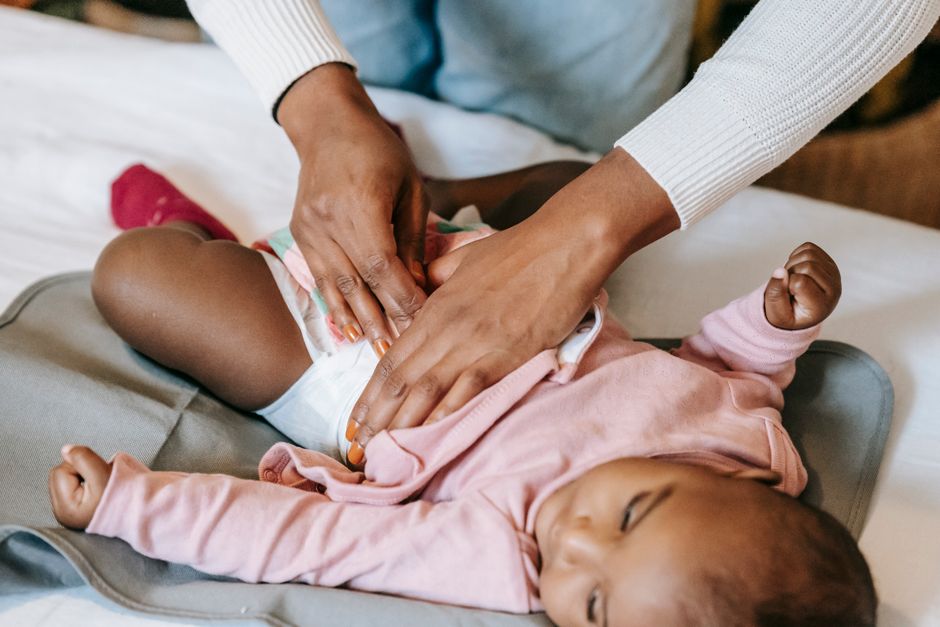
Preventing urinary tract infections (UTIs) in baby girls starts with simple daily habits. Wipe from front to back during every diaper change. Change diapers often to keep the area clean and dry. Avoid bubble baths and scented wipes. Make sure your baby drinks enough fluids. These steps lower the chance of bacteria reaching the urethra and causing infection.
Why Are Baby Girls More Prone to UTIs?
Baby girls have a shorter urethra than boys. The urethra is the tube that carries urine out of the body. A shorter urethra means bacteria have less distance to travel into the bladder. The opening of the urethra is also closer to the anus in girls. That makes it easier for bacteria from stool to reach the urinary tract.
UTIs are more common in girls than boys after the first few months of life. This difference continues through childhood. Anatomy is the main reason, but hygiene habits also play a role. Understanding this risk helps parents focus on prevention.
How Does Wiping Front to Back Prevent UTIs?
Wiping front to back is the single most effective hygiene habit for preventing UTIs in baby girls. When you wipe from the anus toward the urethra, you can move bacteria directly to the urinary opening. Wiping from front to back moves bacteria away from the urethra.
This technique matters with every diaper change. Use a fresh wipe for each pass. Never wipe back to front. The same rule applies when bathing or cleaning the genital area. Gently clean from front to back with water or a mild, unscented cleanser. Rinse thoroughly and pat dry.
Teaching this habit to toddlers and older girls is also important. When they learn to wipe themselves, show them the correct direction until it becomes automatic.
How Often Should You Change Diapers to Prevent UTIs?
Change diapers as soon as they are wet or soiled. Prolonged contact with urine and stool irritates the skin and increases the chance of bacteria moving into the urethra. For newborns, that often means changing every two to three hours. Older babies may go longer, but check frequently.
Keeping the diaper area dry is key. Moisture traps bacteria and makes the skin more susceptible to infection. After cleaning, let the area air dry for a few minutes before putting on a fresh diaper. This is especially helpful if your baby has had a rash or recurrent infections.
Diaper type matters less than changing frequency. Both cloth and disposable diapers are fine as long as they are changed promptly. If using cloth, wash with a mild detergent and avoid fabric softeners that can irritate the skin.




Can Bath Products and Soaps Increase UTI Risk?
Yes, bubble baths, scented soaps, and harsh cleansers can irritate the urethra. Irritated tissues are more vulnerable to bacterial infection. Foaming bath products can also wash away protective bacteria and alter the natural balance of the genital area.
For baby girls, use only plain warm water to clean the genital area during baths. If you use soap, choose a mild, unscented, dye-free liquid soap. Avoid scrubbing the area. Just rinse gently and pat dry.
Bubble baths are not recommended for infants and toddlers. The American Academy of Pediatrics advises against bubble baths for young children because of the risk of irritation and UTIs. If you do use them occasionally, keep the bath short and rinse your daughter thoroughly afterward.
Does Hydration Help Prevent UTIs in Infants?
Proper hydration helps flush bacteria out of the urinary tract. When your baby produces enough urine, the bladder empties regularly, and bacteria have less time to multiply. Dehydration can lead to concentrated urine that irritates the bladder and makes infection more likely.
For breastfed babies, breast milk provides all the fluid they need. Feed on demand. For formula-fed babies, prepare formula exactly according to the instructions. Do not dilute or concentrate the formula. Once a baby starts solid foods, offer small amounts of water throughout the day.
Do not give extra water to infants under six months unless your pediatrician advises it. Too much water can be dangerous. The goal is adequate hydration from milk or formula, not forcing fluids.
What Are Other Prevention Tips That Work?
Here are additional steps that can reduce UTI risk in baby girls:
- Cotton underwear. Once your daughter is potty trained, choose cotton underwear. Cotton breathes and wicks moisture away. Avoid synthetic fabrics that trap heat and moisture.
- Avoid tight clothing. Tight leggings, tights, or shorts can create friction and moisture. Loose-fitting clothes allow air circulation.
- Encourage regular bathroom breaks. Teach toddlers not to hold urine for long periods. Frequent emptying of the bladder flushes out bacteria.
- Cranberry products. Cranberry juice is not recommended for infants or young children. There is no good evidence it prevents UTIs in this age group, and sugary juice can cause other problems. Do not give cranberry supplements or concentrate.
- Probiotics. Some research suggests probiotics may help maintain healthy vaginal flora, but no large studies have confirmed they prevent UTIs in infant girls. The evidence is too limited to recommend them.
These habits work best when combined with the core steps: front-to-back wiping, frequent diaper changes, and avoiding irritants.
How To Prevent UTI In Baby Girls Key Tips That Work
To summarize, the key tips that work are consistent and simple. Wipe front to back at every change. Change diapers as soon as they are wet or soiled. Keep the genital area clean and dry. Avoid bubble baths, scented wipes, and harsh soaps. Ensure your baby gets enough fluids. Dress her in cotton underwear and loose clothes. Do not hold urine for long periods.
These practices are supported by pediatric guidelines and decades of clinical experience. They do not require special products or expensive changes. They just require consistent attention. Following them can significantly lower the risk of UTIs in baby girls.
Frequently Asked Questions
How do I know if my baby girl has a UTI?
Signs include fever, fussiness, vomiting, foul-smelling or cloudy urine, and crying when urinating. Infants may also feed poorly and seem tired.
Can a UTI in a baby cause kidney damage?
Yes, untreated UTIs can spread to the kidneys and cause infections that may lead to scarring and long-term kidney problems. That is why prompt treatment with antibiotics is important.
Is it safe to use baby
