
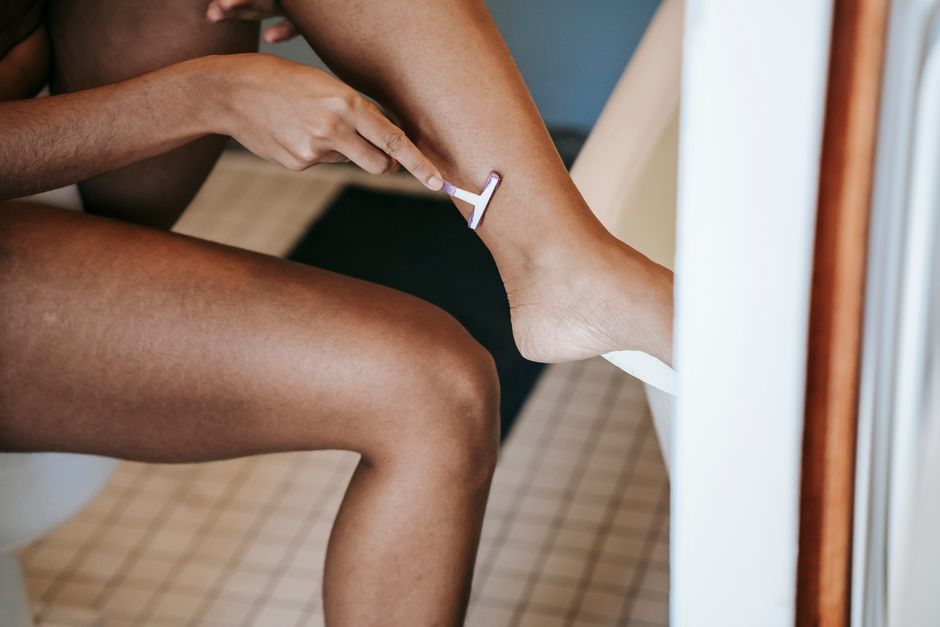
Razor bumps on the buttocks are a common and frustrating problem. They form when shaved hairs curl back into the skin or get trapped beneath the surface, causing inflammation and red, irritated bumps. You can prevent them by preparing the skin properly, shaving in the right direction, and using the right aftercare routine.
Why Do Razor Bumps Form On The Buttocks?
Razor bumps, medically known as pseudofolliculitis barbae, are not an infection. They are a foreign body reaction. When you shave, the hair is cut at a sharp angle. As the hair grows back, that sharp tip can pierce the skin next to the follicle. The body treats the hair like a splinter and sends inflammatory cells to the area.
The buttocks are especially prone to this problem. The skin there is thicker than on the face. Hair on the buttocks also tends to be coarser and curlier for many people. Curly hair has a natural tendency to re-enter the skin as it grows. The constant friction from sitting and wearing tight clothing makes the problem worse.
It is important to distinguish razor bumps from other conditions. If the bumps are painful, filled with pus, or spreading, they may be a bacterial infection like folliculitis. Razor bumps are usually itchy and tender but do not typically ooze or crust over.
How To Prevent Razor Bumps On Buttocks Tips That Work
Prevention starts before the razor ever touches the skin. The single most effective step is to soften the hair and skin first. Shave at the end of a warm shower or bath. Warm water for at least five minutes softens the hair shaft and opens the pores. This reduces the force needed to cut the hair, which means less trauma to the skin.
Exfoliation is the next critical step. Gently scrub the area with a washcloth or a mild body scrub before shaving. This removes the layer of dead skin cells that can trap hairs. Do not scrub hard. The goal is to lift the hairs away from the skin surface, not to irritate the area.
Use a sharp, single-blade razor. Multi-blade razors pull the hair up slightly before cutting it. When the hair snaps back, it retreats below the skin surface. This makes razor bumps more likely. A single-blade razor cuts the hair at skin level without that pulling effect. Replace the razor blade frequently. A dull blade requires multiple passes, which increases irritation.
Shave in the direction of hair growth. This is usually downward, but hair growth direction can vary. Run your hand over the area to feel which way the hair lies flat. Shaving against the grain gives a closer shave but dramatically increases the risk of ingrown hairs. A slightly less close shave is worth avoiding the bumps.
Do not stretch the skin while shaving. Pulling the skin taut causes the hair to retract below the surface after cutting. Let the skin stay relaxed. Use short, light strokes and rinse the razor after every pass.
What Is The Best Shaving Cream For This Area?
Standard shaving foam from a can is not ideal. These products create a thick foam that holds air, but they do not provide much lubrication. A better option is a shaving gel or cream that you rub into the skin. Look for products labeled for sensitive skin. They typically contain fewer fragrances and alcohols, which can sting and irritate.
Hair conditioner works as a surprisingly effective shaving cream. It softens the hair and provides excellent glide. If you have nothing else available, this is a reasonable option. Avoid products with heavy fragrances or dyes.
Some people find that shaving oils work well. These provide a very slick surface and allow you to see the skin clearly. The downside is that they can clog the razor quickly. Rinse the blade often if you use an oil.





What Should You Do Immediately After Shaving?
Rinse the area with cool water after shaving. Cool water helps close the pores and calm the skin. Pat the area dry with a clean towel. Do not rub. Rubbing creates friction that can irritate freshly shaved skin.
Apply a gentle, alcohol-free moisturizer or aftershave balm. Look for ingredients like aloe vera or witch hazel. These soothe the skin without clogging pores. Products containing salicylic acid or glycolic acid can help prevent bumps by keeping the follicle opening clear. Start with a low concentration to test your skin’s tolerance.
Avoid tight clothing immediately after shaving. Tight underwear or jeans trap moisture and create friction against the freshly shaved skin. Wear loose cotton underwear and breathable clothing for a few hours after shaving. Cotton allows air circulation and reduces the conditions that encourage hairs to grow back into the skin.
Are There Alternatives To Shaving?
If razor bumps are a recurring problem, shaving may not be the right method for you. Several alternatives exist, each with different trade-offs.
Depilatory creams dissolve the hair just below the skin surface using chemicals. They do not cut the hair at a sharp angle, so razor bumps are less common. However, these products can cause chemical burns on sensitive skin. Always do a patch test on a small area first. Follow the instructions for timing carefully. Leaving the product on too long can damage the skin.
Waxing removes the hair from the root. The hair that grows back is soft and tapered, which means it is less likely to pierce the skin. Results last several weeks. Waxing is painful and can cause ingrown hairs if the hair breaks off below the skin instead of pulling out cleanly. It is best done by a professional, especially in this sensitive area.
Laser hair removal is the most effective long-term option. The laser damages the hair follicle so it cannot produce hair. Over several sessions, hair growth reduces significantly. The hair that does grow back is often finer and lighter. This is the only method that can permanently reduce hair growth. It is expensive and requires multiple sessions, but it eliminates the root cause of razor bumps.
Electric razors do not cut as close as manual razors. This is actually an advantage for preventing bumps. The hair remains slightly above the skin surface, so it is less likely to grow back into the skin. Use an electric razor designed for sensitive skin and do not press hard against the skin.
How To Treat Existing Razor Bumps
If you already have razor bumps, stop shaving the area until they heal. Shaving over active bumps makes the inflammation worse and can introduce bacteria. Give the skin a break for at least a week.
Apply a warm compress to the area for five to ten minutes a few times a day. The warmth helps soften the skin and can encourage trapped hairs to surface on their own. Do not try to dig the hair out with tweezers or a needle. This can cause infection and permanent scarring.
Over-the-counter creams containing hydrocortisone can reduce inflammation and itching. Use these for no more than a few days. Longer use can thin the skin. Products with salicylic acid or glycolic acid help exfoliate the skin and release trapped hairs. Apply these once daily after cleansing.
If the bumps show signs of infection — increasing pain, yellow pus, spreading redness, or warmth — see a doctor. You may need a prescription antibiotic. Do not self-treat a suspected infection with over-the-counter antibiotic ointments alone. These are not strong enough for deep folliculitis.
What Daily Habits Reduce Razor Bumps?
Daily skincare habits matter as much as shaving technique. Exfoliate the buttocks two to three times per week, even when you are not shaving. This keeps the follicle openings clear and prevents dead skin from trapping hairs. Use a gentle scrub or a chemical exfoliant containing salicylic acid.
Moisturize the area daily. Well-hydrated skin is more flexible and less likely to trap hairs. Dry skin flakes can block follicles and force hairs to grow sideways. Use a fragrance-free lotion or cream after showering.
Wear breathable underwear. Synthetic fabrics trap heat and moisture, which softens the skin and makes it easier for hairs to re-enter. Cotton underwear allows airflow and keeps the area dry. Change out of sweaty workout clothes promptly after exercise.
Do not pick or scratch at bumps. This introduces bacteria from your fingers into the follicle. It also increases inflammation and can leave dark spots that take months to fade. If the itching is severe, apply a cool compress instead of scratching.
Frequently Asked Questions
How long does it take for razor bumps on the buttocks to heal?
Mild razor bumps typically heal within a few days to a week if you stop shaving the area. More stubborn bumps can take two weeks or longer, especially if the hair remains trapped beneath the skin.
Does shaving against the grain cause more razor bumps?
Yes, shaving against the grain cuts the hair at a sharper angle and allows it to retract below the skin surface, which significantly increases the risk of razor bumps. Shaving in the direction of hair growth reduces this risk.
Can you use a regular razor on the buttocks?
You can, but a single-blade razor is better because multi-blade razors pull the hair up before cutting it, which makes ingrown hairs more likely. Always use a sharp blade and replace it frequently.
Is laser hair removal worth it for preventing razor bumps?
For people with chronic razor bumps, laser hair removal is the most effective long-term solution because it reduces hair growth at the root. It requires multiple sessions and is costly, but it addresses the underlying cause rather than just the symptoms.
