
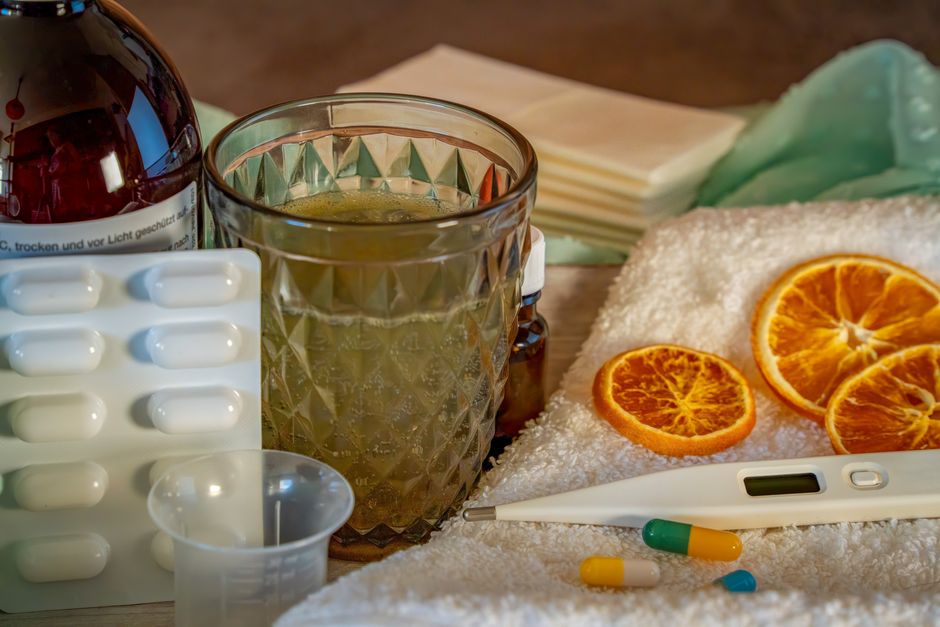
Fever is not an illness. It is a symptom — a sign that your immune system is fighting something. The daily habits that reduce your chance of fever are the same habits that reduce your chance of infection. Wash your hands often. Get enough sleep. Stay current on vaccines. Eat nutritious food. These simple, consistent actions are the most reliable way to keep your body from needing to raise its temperature in the first place.
What Causes a Fever in the First Place?
Your body has a built-in thermostat in the brain called the hypothalamus. When it detects an infection, it raises your internal temperature. This heat makes it harder for bacteria and viruses to multiply and helps your immune cells work faster.
Most fevers come from viral infections like colds, flu, and COVID-19. Bacterial infections can also cause fever. Less commonly, fever can follow a vaccine, a heat injury, or certain inflammatory conditions. The point is that fever is a response. It does not happen without a trigger.
This matters for prevention. You cannot “prevent fever” directly. You can only prevent the infections that cause it. That is why the habits below focus on keeping pathogens out of your body and keeping your immune system ready to deal with them if they get in.
How To Prevent Fever With Simple Daily Habits
Hand hygiene is the single most effective daily habit for preventing infection. Many viruses and bacteria spread through touch. You touch a doorknob, then your face, and the pathogen finds a way in. Washing your hands with soap and water for at least 20 seconds removes these germs before they can reach your eyes, nose, or mouth. When soap and water are not available, hand sanitizer with at least 60% alcohol is a good backup.
Sleep is another pillar. During deep sleep, your immune system produces proteins called cytokines that help fight infection. Chronic short sleep — consistently less than seven hours per night for adults — is linked to a higher risk of catching viruses. One well-known study found that people who slept fewer than six hours a night were significantly more likely to develop a cold after being exposed to the virus than those who slept more than seven hours. The exact numbers vary by study, but the direction is consistent: more sleep, fewer infections.
Nutrition supports immunity in a general way. No single food or supplement prevents fever. But a diet with adequate protein, vitamins, and minerals gives your immune system the raw materials it needs. Vitamin C, vitamin D, and zinc all play roles in immune function. If your diet is deficient in these, correcting the deficiency is sensible. Taking large doses when you are already healthy has not been shown to prevent infection.
Vaccines Are the Most Powerful Prevention Tool
No daily habit matches the protection of vaccination. Vaccines train your immune system to recognize specific pathogens before you ever encounter them. When the real virus or bacteria shows up, your body responds quickly and prevents the infection from taking hold. No fever develops because the infection never establishes itself.
The flu vaccine does not always prevent infection completely. Some years the match between the vaccine and circulating strains is imperfect. But even in those years, vaccinated people who get the flu tend to have milder illness and fewer complications. The same logic applies to COVID-19 vaccines, pneumococcal vaccines, and others.
Vaccination schedules depend on your age, health status, and risk factors. Adults should review their vaccine status with a healthcare provider at least once a year. This is especially important for people over 65, pregnant women, and those with chronic conditions like diabetes or heart disease.
Daily Habits That Reduce Exposure to Germs
You do not need to live in a bubble. But small changes in daily routine can meaningfully reduce how many pathogens you encounter.
- Avoid touching your face. The eyes, nose, and mouth are entry points for respiratory viruses. Studies show people touch their faces an average of once every few minutes, often without realizing it.
- Keep distance when sick. If someone in your household has a fever or symptoms of illness, keep physical distance where practical. This is not about being rude — it is about breaking the chain of transmission.
- Ventilate indoor spaces. Open windows or use air purifiers. Respiratory viruses build up in stale indoor air. Better airflow lowers the concentration of virus particles you breathe.
- Clean high-touch surfaces. Doorknobs, light switches, phones, and remote controls collect germs. Regular cleaning with soap or a standard household disinfectant is enough. You do not need special products.
- Wear a mask in high-risk settings. During peak respiratory virus season, or when you are in crowded indoor spaces, a well-fitted mask reduces the chance of inhaling virus particles. This is well established for influenza and COVID-19.
These habits do not guarantee you never get sick. They reduce risk. That distinction matters. Infection is probabilistic, not deterministic. Every exposure you avoid is one less chance for a pathogen to enter your body.
What To Do When You Feel a Fever Coming On
Early symptoms of infection — chills, fatigue, muscle aches — may signal that your immune system is starting to respond. At this point, prevention has failed. But you can still influence how your body handles the infection.
Rest is the most important action. Your immune system works harder when you are sleeping. Pushing through illness with exercise or a full workday prolongs recovery and increases the risk of complications.
Hydration matters. Fever increases fluid loss through sweating and faster breathing. Drinking water, broth, or oral rehydration solutions helps maintain blood volume and supports immune function. You do not need special electrolyte drinks unless you are losing fluids rapidly through vomiting or diarrhea.
Over-the-counter fever reducers like acetaminophen and ibuprofen can make you more comfortable. They do not shorten the illness. They only lower the fever. Use them if the fever is causing significant discomfort, not simply because the number on the thermometer is elevated. Follow the dosing instructions on the label. Do not give aspirin to children or teenagers due to the risk of Reye syndrome, a rare but serious condition.
When a Fever Requires Medical Attention
Most fevers resolve on their own within a few days. But some situations warrant a call to a doctor or an urgent care visit.
For adults, seek medical care if the fever reaches 103°F (39.4°C) or higher, lasts more than three days, or is accompanied by severe headache, stiff neck, confusion, difficulty breathing, chest pain, or a rash. These symptoms can indicate a more serious condition than a simple viral infection.
For infants under three months, any fever of 100.4°F (38°C) or higher requires immediate medical evaluation. Their immune systems are not fully developed, and what looks like a minor fever can be a serious bacterial infection. For children between three months and three years, call your pediatrician if the fever is above 102°F (38.9°C) or lasts more than a day.
For people with weakened immune systems — those on chemotherapy, organ transplant recipients, or people with advanced HIV — any fever should be discussed with a healthcare provider promptly. The threshold for concern is lower because their bodies may not show typical signs of infection.
What Does Not Prevent Fever
Some popular claims do not hold up to evidence. Echinacea, elderberry, and various herbal supplements are widely marketed for immune support. Some small studies suggest modest benefits, but the overall evidence is mixed. None of these products has been shown in large, well-designed trials to prevent fever or infection. Taking them is unlikely to cause harm in healthy adults, but they are not a substitute for the habits listed above.
Vitamin C megadoses do not prevent colds in the general population. Some research suggests they may slightly shorten the duration of a cold if taken regularly, but the effect is small. The same applies to zinc lozenges — some studies show a modest reduction in cold duration when started within 24 hours of symptom onset, but the evidence for prevention is weak.
There is no evidence that “boosting” your immune system with supplements prevents fever. Your immune system is not a muscle that gets stronger with stimulation. It is a complex network that functions best when you are well-rested, well-nourished, and free of chronic stress. The most honest advice is simple: live in a way that gives your immune system a fair chance, and do not expect any product to do the work for you.
Frequently Asked Questions
Can drinking orange juice prevent a fever?
No. Orange juice provides vitamin C, but large studies have not shown that vitamin C prevents colds or fevers in the general population. It may slightly shorten a cold if you take it regularly, but it will not stop one from starting.
How long should you wash your hands to prevent infection?
Wash with soap and water for at least 20 seconds, which is roughly the time it takes to sing “Happy Birthday” twice. If soap and water are not available, use hand sanitizer with at least 60% alcohol.
Can stress cause a fever?
Stress does not directly cause fever, but chronic stress can weaken immune function and make you more vulnerable to infections that do cause fever. Managing stress through sleep, exercise, and relaxation is part of a healthy immune system, but it is not a direct fever prevention tool.
Is a fever above 104°F dangerous?
A fever above 104°F (40°C) in an adult warrants medical attention. While most fevers from infection stay below this level, a very high fever can indicate a serious infection that needs evaluation. For infants under three months, any fever above 100.4°F (38°C) requires immediate medical care.
