
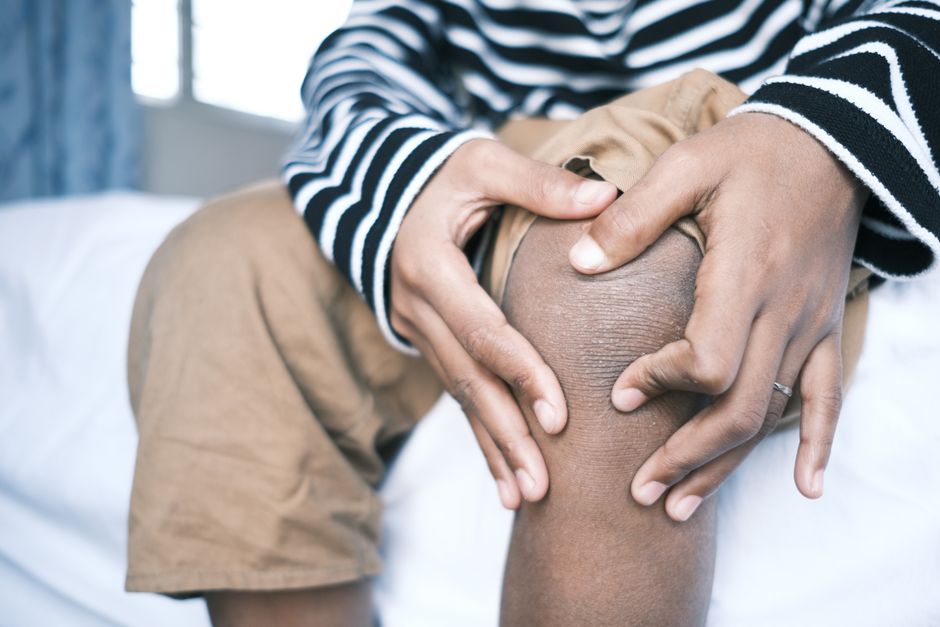
Your knees carry you through every step, stair, and squat — and they take a beating doing it. The most effective way to prevent knee injuries is to build strength in the muscles around the joint, especially the quadriceps and glutes, while improving balance, flexibility, and how you move. Pair that with smart training habits and a few daily precautions, and you can lower your risk of many common knee problems.
Why Are Knee Injuries So Common?
The knee is the largest joint in your body, and it sits between two of the longest levers — your thigh bone and your shin bone. That design gives you power and range of motion. It also makes the knee vulnerable.
Unlike the hip, which is a deep ball-and-socket joint, the knee relies mostly on soft tissue for stability. Ligaments connect bone to bone. Tendons connect muscle to bone. Cartilage cushions the space between. When any of these structures get overloaded or twisted beyond their limits, injury follows.
Two categories of knee problems dominate:
- Acute injuries happen suddenly. Examples include ligament tears, meniscus tears, and fractures.
- Overuse injuries build up over time. Examples include patellofemoral pain, tendinitis, and bursitis.
Age, sport, and daily habits all shift your risk. A teenager playing soccer faces different risks than a 50-year-old who sits at a desk all day. But the underlying principle is the same: a knee that is well-supported by strong muscles and good movement patterns handles stress better than one that is not.
What Exercises Strengthen the Knees?
Strengthening the muscles around the knee is the single most reliable way to protect it. The quadriceps in front of the thigh, the hamstrings behind it, the glutes in the hip, and the calf muscles all play a role in controlling how force travels through the joint.
The exercises below are widely used in physical therapy and sports medicine. They are not a prescription for any individual — a physical therapist or doctor can tailor a program to your specific situation.
Quadriceps and Hamstrings
- Straight-leg raises: Lie on your back with one leg bent and the other straight. Tighten the thigh of the straight leg and lift it a few inches off the floor. Lower slowly.
- Wall sits: Stand with your back against a wall, slide down until your knees are bent, and hold. Keep your knees behind your toes.
- Hamstring curls: Lie face down and bend one knee, bringing your heel toward your glutes. Add ankle weights only when the movement feels easy.
Glutes and Hips
- Clamshells: Lie on your side with knees bent. Keep your feet together and lift the top knee without rolling your pelvis.
- Glute bridges: Lie on your back with knees bent and feet flat. Squeeze your glutes and lift your hips.
- Side-lying leg raises: Lie on your side and lift the top leg straight up, keeping it in line with your body.
Balance and Control
- Single-leg stands: Stand on one foot for as long as you can, up to 30 seconds. Hold a counter if needed.
- Step-downs: Stand on a low step and slowly lower the other foot to the floor, then return. Control matters more than speed.
Aim to perform these two to three times per week. Start with body weight. Progress gradually. Soreness in the muscle is expected; sharp pain in the joint is not. Stop if you feel the latter.
How Does Flexibility Affect Knee Health?
Tight muscles can change how your knee tracks and how much load it absorbs. The quadriceps, hamstrings, calves, and hip flexors are the main players.
Static stretching — holding a stretch for a period of time — is best done after activity, when muscles are warm. Dynamic stretching, which involves controlled movement through a range of motion, works well before exercise.
Simple stretches that are commonly recommended include:
- Standing quad stretch: Hold your ankle behind you and pull your heel toward your glutes. Keep your knees close together.
- Hamstring stretch: Sit with one leg straight and reach toward your toes, or place your heel on a low step and lean forward.
- Calf stretch: Place your hands on a wall, step one foot back, and press the heel down.
Hold each stretch for 15 to 30 seconds without bouncing. Mild tension is fine. Pain is not.
One clarification worth making: stretching alone does not prevent all knee injuries. Research on stretching and injury prevention has produced mixed results. Flexibility is one piece of the puzzle, not the whole answer.





What Training Habits Protect the Knees?
How you train matters as much as what you train. Many knee injuries come from doing too much, too soon, or with poor form.
Progressive overload is the principle of increasing demand gradually. If you add mileage, weight, or intensity, do it in small steps over weeks, not days. Sudden jumps in training load are a well-recognized contributor to overuse injuries.
Warming up raises muscle temperature and prepares the joint for activity. A five- to ten-minute warm-up might include light cardio and dynamic movements like leg swings or walking lunges.
Cross-training spreads the load across different muscle groups. Swapping some running days for swimming or cycling reduces repetitive stress on the knees while maintaining fitness.
Rest days are not optional. Tissue repair happens during recovery. Overtraining without adequate rest is a common path to tendinitis and stress injuries.
Footwear and surface also matter. Worn-out shoes lose their cushioning. Hard surfaces increase impact. If you run, replace shoes based on wear, not just calendar time.
How Can You Prevent Knee Injuries in Daily Life?
Not all knee injuries happen during exercise. Everyday movements — lifting, climbing, kneeling — can also cause problems, especially as you get older.
When lifting something heavy, bend at the hips and knees rather than twisting at the waist. Keep the load close to your body. Twisting while bearing weight is a common mechanism for meniscus tears.
For those who kneel often, a cushion or knee pad reduces direct pressure on the kneecap and bursae. Bursae are small fluid-filled sacs that cushion the joint; repeated pressure can inflame them.
Maintaining a healthy body weight reduces chronic load on the knees. Body weight is not the only factor, and weight is influenced by many things beyond personal control. But the mechanical relationship is well established: more body weight means more force through the joint with every step.
If you sit for long periods, stand and move regularly. Prolonged sitting can stiffen the joint and weaken supporting muscles over time.
When Should You See a Doctor About Knee Pain?
Some knee pain resolves on its own with rest and gentle activity. Other symptoms need medical attention.
Seek care if you experience:
- Sudden swelling within hours of an injury
- Inability to bear weight
- A feeling that the knee is giving way or locking
- Pain that persists beyond a few weeks despite rest
- Redness, warmth, or fever alongside knee pain
The last item on that list can indicate infection, which is a medical emergency. Do not wait to seek care.
Diagnosis typically involves a physical exam and may include imaging such as X-ray or MRI. Treatment depends on the specific injury and can range from physical therapy to surgery. No single approach works for every knee problem.
Do Supplements or Braces Prevent Knee Injuries?
Walk into any pharmacy and you will find shelves of knee braces, sleeves, and supplements claiming to protect the joint. The evidence is thinner than the marketing suggests.
Knee braces can provide support and may help with proprioception — your sense of where your joint is in space. Some clinicians recommend them for specific situations, such as returning to sport after injury. But there is no strong evidence that braces prevent injuries in healthy people during normal activity.
Glucosamine and chondroitin are popular supplements for joint health. Large, well-designed trials have produced mixed or negative results for knee osteoarthritis pain, and there is no evidence they prevent injury in healthy knees.
Collagen supplements have gained attention recently. Some small studies suggest possible benefits for joint pain, but the research is early and results vary. No clinical guidelines currently recommend collagen for knee injury prevention.
If you are considering any supplement, talk to your doctor. Supplements can interact with medications and are not regulated the same way as drugs in the United States.
Can You Prevent All Knee Injuries?
No. Some injuries result from accidents, contact sports, or genetic factors that no amount of training can fully offset. ACL tears, for example, often occur during sudden pivots that overwhelm the joint’s capacity regardless of strength.
What you can do is reduce risk. Strength training, balance work, flexibility, smart training habits, and attention to daily movements all contribute. Injury prevention programs that combine these elements have been shown in multiple studies to reduce knee injury rates, particularly in athletes.
The goal is not invincibility. It is resilience — a knee that handles the demands you place on it with less chance of breaking down.
Frequently Asked Questions
What is the best exercise to prevent knee injuries?
There is no single best exercise. A combination of quadriceps strengthening, glute activation, and balance training is most effective for protecting the knee.
How often should I do knee strengthening exercises?
Two to three times per week is a common recommendation in physical therapy settings. Start with body weight and progress gradually.
Can stretching alone prevent knee injuries?
No. Research on stretching and injury prevention has shown mixed results. Flexibility is helpful, but strength and movement control matter more.
Do knee braces actually prevent injuries?
There is no strong evidence that braces prevent injuries in healthy people during normal activity. They may help with support or proprioception in specific situations, such as returning to sport after an injury.
