
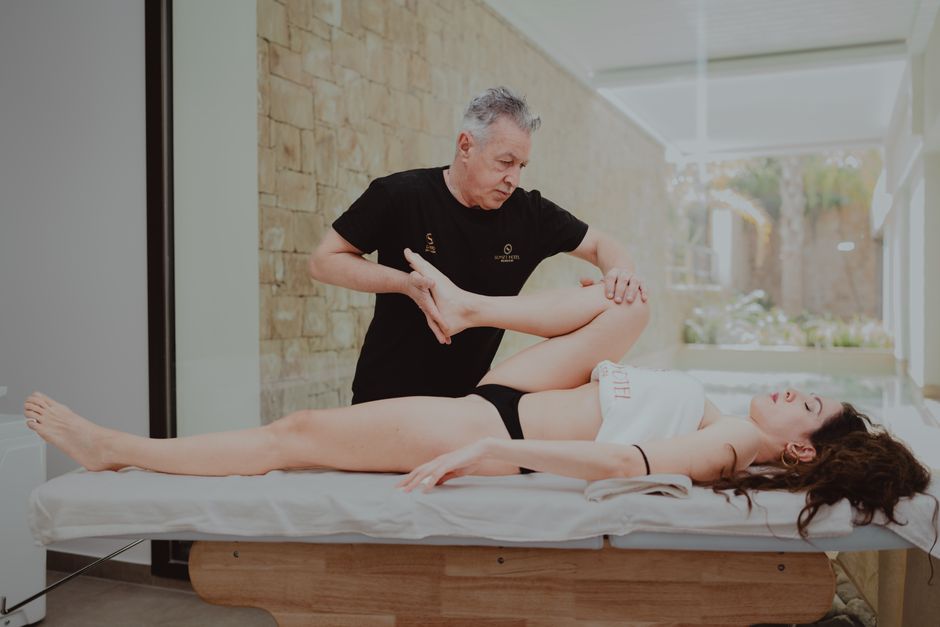
Joint pain is not an inevitable part of getting older, but it is common. The best way to prevent it is to keep the muscles around your joints strong, stay at a healthy weight, and eat in a way that controls inflammation. Movement matters more than rest for most healthy joints. Rest matters more than movement during a flare-up or injury.
That is the short answer. The longer answer involves understanding what joints actually need, which exercises help and which can hurt, and why some popular supplements have almost no evidence behind them. This article covers all of it in plain terms.
How To Prevent Joint Pain With Exercise, Diet, and More
Joint pain prevention rests on three pillars: protecting the joint surfaces, controlling the load placed on them, and managing the inflammation that damages them over time.
Cartilage — the smooth tissue that lines the ends of bones — has no blood supply. It gets nutrients from synovial fluid, the fluid inside the joint capsule, and that fluid moves when the joint moves. This is why regular movement is protective rather than harmful for healthy joints. Immobility, not activity, tends to degrade cartilage over time.
The three pillars work together. Excess body weight increases load on weight-bearing joints. Poor muscle strength means the joint absorbs forces it was not built to absorb. Chronic low-grade inflammation accelerates cartilage breakdown. Address any one of these and you reduce strain on the others.
None of this is a guarantee. Joint pain has many causes, including autoimmune disease, prior injury, and genetics. Prevention strategies reduce risk and delay onset. They do not make anyone immune.
Which Exercises Actually Protect Your Joints?
Low-impact strength training and aerobic exercise have the strongest evidence for protecting joints. High-impact activities are not inherently bad, but they place more stress on knees, hips, and ankles.
The goal of joint-protective exercise is to build the muscles that support the joint without pounding the joint surface. Quadriceps strength, for example, is consistently associated with lower knee pain and better knee function in adults. The quadriceps absorb force every time you step, sit, or stand.
Exercises with good support for this purpose include:
- Walking at a comfortable pace
- Swimming and water aerobics
- Cycling on a stationary or outdoor bike
- Resistance training with bands, machines, or light weights
- Bodyweight exercises like sit-to-stands and wall sits
- Tai chi and yoga, which also improve balance and flexibility
High-impact activities like running and jumping are not off-limits for everyone. Runners do not have higher rates of knee arthritis than non-runners in most large studies. But if you already have joint pain or a history of joint injury, the load tolerance of that joint is lower. A physician or physical therapist can help you find the right level.
One point that gets lost: exercise does not “wear out” joints. That idea has been tested repeatedly and does not hold up for normal, moderate activity. What wears joints down is injury, excess load, and inflammatory disease.
What Should You Eat to Reduce Joint Pain Risk?
Diet affects joint health mainly through inflammation and body weight. There is no single food that prevents arthritis, but overall eating patterns do influence risk.
Mediterranean-style eating — rich in vegetables, fruit, whole grains, legumes, fish, and olive oil — is the pattern with the most consistent evidence for lower markers of inflammation. Some studies suggest it is also associated with lower rates of certain inflammatory conditions, though the evidence for direct joint pain prevention is not as strong as the evidence for heart health.
Omega-3 fatty acids from fish like salmon, sardines, and mackerel have been studied for joint pain, particularly in rheumatoid arthritis. Results are mixed. Some people report reduced stiffness and pain, but trials have not shown consistent, large effects. Fish oil is not a treatment for joint disease.
What to limit matters as much as what to eat:
- Sugary drinks and refined carbohydrates, which are linked to higher inflammation markers
- Excess alcohol, which can worsen gout and interfere with medication
- Processed meats and trans fats
- Very high sodium intake, which may worsen inflammation in some people
Vitamin D and calcium matter for bone health, which supports joint structure. Low vitamin D is common in people with chronic pain, though whether correcting it reduces pain is not well established. A blood test can tell you if you are deficient.




Does Weight Loss Really Help Joint Pain?
Yes, for weight-bearing joints. This is one of the better-supported findings in joint health.
Every pound of body weight places roughly four pounds of force on the knees during walking, according to biomechanical research. Losing weight reduces that load with every step. It also reduces systemic inflammation, since fat tissue releases inflammatory signals.
Weight loss of 10 percent of body weight has been shown in clinical trials to reduce knee pain and improve function in adults with knee osteoarthritis. That is a meaningful, measurable effect — not a vague benefit. For someone weighing 200 pounds, that is about 20 pounds.
Weight loss is harder to achieve than to recommend. The point here is not to prescribe a diet but to be clear about the evidence: for knee and hip pain, weight reduction is one of the few interventions with consistent trial support.
For non-weight-bearing joints like the hands, weight loss has less direct mechanical benefit, though it may still reduce overall inflammation.
Do Supplements Prevent Joint Pain?
Most joint supplements sold in the US have weak or absent evidence for preventing joint pain. This is one of the areas where marketing runs far ahead of science.
Glucosamine and chondroitin are the most studied. Large trials, including the NIH-funded GAIT study, found that glucosamine and chondroitin did not significantly reduce knee pain compared to placebo in most participants. A small subgroup with moderate-to-severe pain reported some benefit, but this finding has not been reliably replicated.
Turmeric (curcumin) has shown anti-inflammatory effects in some small trials, but study quality varies and results are inconsistent. It is not established as a preventive agent.
Collagen supplements are widely marketed for joint health. Some small studies suggest they may improve joint comfort, but the evidence is early and the studies are short. No large trial has confirmed that collagen prevents joint pain.
If you take a supplement, tell your doctor. Some interact with medications. Glucosamine, for example, may affect blood sugar in people with diabetes, and turmeric can interact with blood thinners.
What Else Affects Joint Pain Risk?
Several factors outside exercise and diet influence joint pain risk, and some are more modifiable than people realize.
Smoking is associated with higher rates of rheumatoid arthritis and worse outcomes in several joint conditions. It also impairs circulation and tissue repair.
Sleep matters more than most people expect. Poor sleep is linked to higher pain sensitivity and worse pain outcomes in chronic conditions. The relationship runs both ways — pain disrupts sleep, and poor sleep lowers pain tolerance.
Injury history is one of the strongest predictors of future joint problems. A prior ACL tear, for example, substantially raises the risk of knee osteoarthritis later in life. This is not fully preventable, but rehabilitation and ongoing strength work after injury reduce the risk.
Occupational load plays a role. Jobs requiring repetitive kneeling, heavy lifting, or prolonged standing are associated with higher rates of knee and hip problems. Ergonomic adjustments and strength training can help offset this.
Genetics cannot be changed. If osteoarthritis runs in your family, your baseline risk is higher. That makes the modifiable factors more important, not less.
When Should You See a Doctor About Joint Pain?
See a doctor if joint pain lasts more than a few weeks, interferes with daily activities, or comes with swelling, redness, or warmth around the joint. These signs can indicate inflammatory arthritis or infection, which need prompt evaluation.
Other reasons to seek care:
- Pain that wakes you at night
- Joint pain with fever or unexplained weight loss
- Sudden severe pain, especially after injury
- Pain in multiple joints appearing at once
- Stiffness lasting more than an hour in the morning
Early evaluation matters for inflammatory conditions. Treatments for rheumatoid arthritis and similar diseases work best when started early, before joint damage becomes permanent. Waiting to “see if it goes away” can cost you options.
For osteoarthritis, which is the most common form of joint disease, there is no cure. But exercise, weight management, physical therapy, and in some cases medication can meaningfully reduce pain and slow functional decline. The evidence for exercise in knee and hip osteoarthritis is strong and consistent.
Frequently Asked Questions
Can exercise make joint pain worse?
Exercise can temporarily increase discomfort, but it does not damage healthy joints. If pain worsens during activity and persists for more than a day afterward, the intensity or type of exercise may need adjusting.
What is the best diet for preventing joint pain?
A Mediterranean-style diet rich in vegetables, fish, whole grains, and olive oil has the most consistent evidence for lowering inflammation. No specific food has been shown to prevent joint pain on its own.
Do glucosamine supplements work for joint pain?
Large trials, including the NIH-funded GAIT study, found that glucosamine and chondroitin did not significantly reduce knee pain compared to placebo in most people. A small subgroup reported benefit, but this has not been reliably confirmed.
How much weight do you need to lose to help knee pain?
Clinical trials have shown that losing about 10 percent of body weight reduces knee pain and improves function in adults with knee osteoarthritis. For a 200-pound person, that is roughly 20 pounds.
