
A low red blood cell count is not something you fix with a single food or supplement. Your body builds red blood cells from specific raw materials — iron, vitamin B12, folate, and protein — and it needs the right hormonal signals and a healthy bone marrow to assemble them. Diet and exercise can help, but only when the underlying cause allows it. Sometimes the real problem is blood loss, kidney disease, or a marrow disorder that no amount of spinach will correct.
What Actually Determines Your Red Blood Cell Count?
Red blood cells carry oxygen from your lungs to every tissue in your body. They are built in bone marrow and live about 120 days before your spleen and liver remove them. Your body replaces them continuously.
The process depends on a hormone called erythropoietin, made mostly by the kidneys. When your kidneys sense low oxygen, they release erythropoietin, which tells the bone marrow to ramp up red blood cell production. The marrow then needs iron, vitamin B12, folate, and amino acids to actually build the cells.
Break any link in that chain and your count drops. Kidney disease reduces erythropoietin. Iron deficiency starves the marrow of a key building block. B12 or folate deficiency disrupts DNA synthesis, producing large, poorly functioning cells. Chronic inflammation can block iron absorption and suppress marrow response even when iron levels look normal on paper.
That is why a low count is a clue, not a diagnosis. The fix depends entirely on which link broke.
How To Raise RBC Count With Diet and Key Nutrients
Diet matters most when the cause is a nutritional deficiency. If your count is low for another reason — blood loss, kidney disease, marrow failure — food alone will not correct it.
Here are the nutrients that directly support red blood cell production, and where to find them:
- Iron: Heme iron from meat, poultry, and fish is absorbed more efficiently than non-heme iron from plants. Good plant sources include lentils, spinach, fortified cereals, and beans. Pair plant iron with vitamin C — a squeeze of lemon or a side of bell pepper — to improve absorption.
- Vitamin B12: Found almost exclusively in animal products — meat, fish, eggs, dairy. Vegans and vegetarians need fortified foods or supplements. B12 deficiency is common in older adults because stomach acid production declines with age, reducing absorption.
- Folate (vitamin B9): Leafy greens, legumes, citrus, and fortified grains. Folate deficiency is less common in the US because of grain fortification, but alcohol use and certain medications can deplete it.
- Protein: Amino acids are the structural backbone of hemoglobin, the oxygen-carrying protein inside red blood cells. Adequate protein intake supports the marrow’s ability to build new cells.
- Vitamin C: Does not build red blood cells directly, but it significantly enhances iron absorption from plant sources.
- Copper and vitamin A: Both play supporting roles in iron metabolism and red blood cell formation, though deficiencies in these are rare in well-nourished populations.
No single food raises your count quickly. Nutritional deficiencies take weeks to months to correct through diet alone, depending on severity and absorption. If your doctor identifies a specific deficiency, they may recommend supplements at doses far higher than food alone can provide. Those doses should come from a clinician, not a label.
Can Exercise Raise Your Red Blood Cell Count?
Exercise does not directly increase red blood cell count in most people. What it does is change blood volume and oxygen demand in ways that affect how your body manages red blood cells.
Endurance training expands plasma volume — the liquid part of blood. This dilutes red blood cells, so their concentration per unit of blood actually drops. This is sometimes called “athlete’s pseudoanemia” because the count looks low on a standard test even though total red blood cell mass is normal or even elevated.
Over time, some endurance athletes do develop a slightly higher total red blood cell mass as the body adapts to repeated oxygen stress. But this is a training adaptation, not a treatment for anemia.
For someone with a genuinely low count, intense exercise can make things worse. If you are anemic, your blood carries less oxygen. Strenuous exercise increases oxygen demand. The mismatch can cause fatigue, dizziness, shortness of breath, and in severe cases, cardiac strain.
Light to moderate activity — walking, gentle cycling, yoga — is generally safe for most people with mild anemia and supports overall circulation. But if your count is significantly low, talk to your doctor before starting or continuing a strenuous exercise routine. Exercise is not a treatment for anemia. It is a complement to whatever treatment addresses the underlying cause.



What Causes a Low RBC Count That Diet Cannot Fix?
Nutritional deficiency is only one path to a low count. Several other causes require medical treatment, not dietary changes.
- Chronic blood loss: Heavy menstrual bleeding, gastrointestinal bleeding from ulcers or colon polyps, or long-term use of NSAIDs like ibuprofen. The fix is stopping the bleeding source, not eating more iron.
- Kidney disease: Damaged kidneys produce less erythropoietin. Treatment often involves synthetic erythropoietin injections, sometimes with iron supplementation.
- Bone marrow disorders: Aplastic anemia, myelodysplastic syndromes, and certain cancers disrupt the marrow’s ability to produce red blood cells. These require specialist care.
- Chronic inflammation or infection: Conditions like rheumatoid arthritis, lupus, or chronic infections can suppress red blood cell production even when iron stores are adequate. This is called anemia of chronic disease.
- Genetic conditions: Thalassemia and sickle cell disease affect hemoglobin structure or production. Diet does not correct these.
- Medications: Some drugs, including certain chemotherapy agents, immunosuppressants, and antibiotics, suppress marrow function.
If your count is low and dietary changes have not helped within a reasonable timeframe, the next step is finding out why. A complete blood count with iron studies, B12, and folate levels is a standard starting point. Your doctor may also check kidney function and look for signs of bleeding or inflammation.
Which Nutrients Matter Most and How Much Do You Need?
The amounts needed to prevent deficiency are well established. The amounts needed to correct an existing deficiency are higher and should be guided by a clinician.
| Nutrient | Daily Recommended Amount (Adults) | Common Food Sources |
|---|---|---|
| Iron | 8 mg (men), 18 mg (women 19-50), 8 mg (women 51+) | Red meat, lentils, spinach, fortified cereals |
| Vitamin B12 | 2.4 mcg | Meat, fish, eggs, dairy, fortified foods |
| Folate | 400 mcg DFE | Leafy greens, legumes, fortified grains |
| Vitamin C | 75 mg (women), 90 mg (men) | Citrus, bell peppers, strawberries, broccoli |
| Protein | 0.8 g per kg body weight | Meat, fish, eggs, dairy, beans, tofu |
These are prevention-level amounts from established dietary guidelines. They are not treatment doses. If you have been diagnosed with a deficiency, your doctor may recommend significantly higher intakes — sometimes by injection or high-dose oral supplements — depending on the severity and cause.
Taking high-dose iron without a confirmed deficiency is not harmless. Excess iron can accumulate in organs and cause damage over time. Iron supplements should only be taken when a deficiency is confirmed by blood tests.
What About Supplements and Medications?
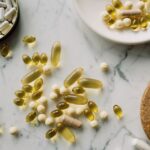
Supplementation works when the problem is a specific nutrient deficiency and the supplement addresses it. It does not work when the cause is something else.
Oral iron supplements are standard for iron deficiency anemia. They are most effective taken on an empty stomach, though they can cause stomach upset. Some people tolerate them better with food, but absorption drops. Vitamin C taken at the same time can improve absorption.
B12 deficiency is often treated with injections or high-dose oral supplements, depending on the cause. If the problem is absorption — as in pernicious anemia or after certain stomach surgeries — injections bypass the digestive system entirely.
Folate supplements correct folate deficiency quickly, but they can mask a B12 deficiency by correcting the blood count while nerve damage from low B12 continues. This is why B12 should always be checked when folate is low.
For anemia caused by kidney disease or chronic illness, synthetic erythropoietin may be prescribed. This is a prescription medication that requires monitoring because it carries risks if red blood cell levels rise too high or too quickly.
No supplement corrects anemia caused by blood loss, marrow failure, or genetic disorders. Those require treating the underlying condition.
When Should You See a Doctor About a Low RBC Count?
See a doctor if you have a low count on a blood test, or if you have symptoms that suggest anemia — persistent fatigue, pale skin, shortness of breath with mild exertion, dizziness, cold hands and feet, or a rapid heartbeat.
Do not try to self-treat with supplements before getting a diagnosis. The cause determines the treatment, and guessing wrong can delay proper care or cause harm. A simple blood test can distinguish between iron deficiency, B12 deficiency, chronic disease, and other causes.
If you have already been diagnosed with a nutritional deficiency and have been treating it, follow up with your doctor to confirm your levels are improving. Recovery takes time, and the timeline depends on the severity of the deficiency and how well you absorb the treatment.
Frequently Asked Questions
Can I raise my RBC count just by eating iron-rich foods?
Only if your low count is caused by iron deficiency. If the cause is blood loss, kidney disease, or a marrow disorder, diet alone will not fix it.
Does exercise increase red blood cell count?
Not directly. Endurance training can expand plasma volume, which dilutes red blood cells and makes the count look lower on a standard test. Total red blood cell mass may rise slightly over time as a training adaptation, but exercise is not a treatment for anemia.
How long does it take to raise a low RBC count with diet?
It depends on the cause and severity. Nutritional deficiencies typically take weeks to months to correct, and the timeline varies widely. Your doctor can track your progress with follow-up blood tests.
What is the fastest way to raise a low RBC count?
Treating the underlying cause is the fastest path. For iron deficiency, prescription iron supplements typically raise levels faster than food alone. For other causes, treatment may involve medication, procedures, or managing a chronic condition.
