
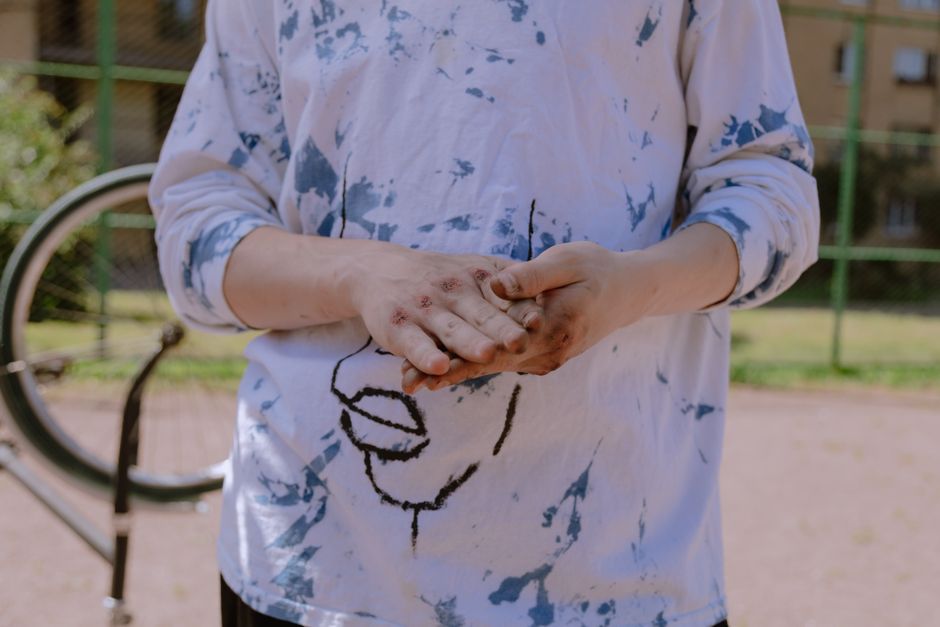
A puncture wound is a small hole made by a sharp object — a nail, a thorn, a piece of glass, a pet’s tooth. The small opening can hide a deep track, and that is what makes these wounds different from a scrape or a clean cut. Healing starts with stopping the bleeding, cleaning the wound, and covering it. Preventing infection means watching for the specific signs that a deep, narrow wound has gone wrong, and knowing when a puncture needs medical care rather than home care.
What Makes A Puncture Wound Different From A Cut?
A cut is wide and shallow. A puncture is narrow and can be deep. That difference drives almost everything about how these wounds behave.
When you scrape your knee, you can see the whole injury. You can clean it and watch it heal. A puncture gives you almost no view of what happened underneath. The surface opening might be the size of a pinhead while the track goes a centimeter or more into tissue. Dirt, bacteria, and fragments can be pushed deep into that track and sealed over by the skin closing behind them.
Puncture wounds also bleed less than cuts in many cases. A little bleeding is actually useful — it helps flush the wound. But a narrow track can clot quickly at the surface while trapping material below.
The location matters too. Punctures on the sole of the foot are a classic example. The foot has many tissue layers, small bones, and joints packed close together. A nail through a shoe can carry bacteria and bits of rubber or sock lining deep into the foot, where infection can spread to bone or joint spaces.
How Do You Clean And Care For A Puncture Wound At Home?
First, stop the bleeding. Press firmly on the wound with a clean cloth or gauze for several minutes. Most small punctures stop bleeding on their own with steady pressure.
Once bleeding is controlled, wash your hands before touching the wound. Then rinse the wound under clean running water. Mild soap around the wound is fine. You do not need to scrub the inside of a deep track — that can cause more damage. Rinsing is the goal.
Look at the wound carefully in good light. If you can see dirt, gravel, or a splinter near the surface, you can try to remove it with clean tweezers. Do not dig into a deep wound. If something is embedded and you cannot easily reach it, leave it and get medical help.
After rinsing, apply a thin layer of plain petroleum jelly to keep the surface moist, then cover the wound with a sterile bandage or gauze. Change the bandage at least once a day, and sooner if it gets wet or dirty.
Some clinicians recommend antibiotic ointment for minor wounds. The evidence for ointment preventing infection in small clean wounds is limited. Keeping the wound clean and covered matters more. If you use an ointment, plain petrolatum is a reasonable choice for most people.
What not to do
- Do not pour hydrogen peroxide or rubbing alcohol into the wound. These can damage healthy tissue and slow healing.
- Do not pack a deep wound tightly with cotton or cloth.
- Do not ignore a wound just because it looks small on the surface.
- Do not soak the wound in a bathtub or pool while it is fresh.
When Does A Puncture Wound Need Medical Care?
Some punctures are clearly minor and heal with home care. Others need a clinician, sometimes the same day. The tricky part is that a serious puncture can look harmless at first.
Get medical care if any of these apply:
- The wound is deep, or you cannot tell how deep it goes.
- Something is embedded and you cannot remove it.
- The wound is on the sole of the foot, the palm, the face, or over a joint.
- An animal or human bite caused it. Bites carry a high risk of infection and often need specific treatment.
- It was caused by a dirty object — a rusty nail, a garden tool, or something from the ground.
- Bleeding will not stop after several minutes of steady pressure.
- You have not had a tetanus booster within the recommended interval, or you are unsure.
- You have diabetes, poor circulation, a weakened immune system, or you take medicines that suppress it.
Tetanus deserves a specific mention. The bacteria that cause tetanus live in soil and dust, and puncture wounds are a classic way they enter the body. Tetanus is rare in the United States because of widespread vaccination, but it is serious when it occurs. Public health guidance generally calls for a tetanus booster if it has been ten years since your last one, and sometimes sooner for a dirty or deep wound. If you are unsure of your vaccination status, tell the clinician — they can check and update it if needed.





What Are The Signs A Puncture Wound Is Infected?
Infection in a puncture wound often shows up in the first few days, but it can appear later, especially if bacteria were pushed deep into tissue. Watch for these signs:
- Increasing pain, especially pain that gets worse after the first day or two
- Redness or warmth spreading around the wound
- Swelling that grows instead of shrinking
- Pus or cloudy fluid draining from the wound
- A bad smell from the wound
- Fever, chills, or feeling generally unwell
- Red streaks spreading away from the wound
Red streaks are a reason to seek care right away. They can signal that infection is spreading through the lymph system.
Not all infections look the same. A deep infection inside the foot, for example, may cause pain and swelling without much surface redness. Some bacteria cause a fast-moving infection with severe pain out of proportion to what the wound looks like. If something feels much worse than it looks, that alone is a reason to be seen.
Do not try to treat a suspected infection at home with leftover antibiotics. Antibiotics are specific to the type of bacteria involved, and using the wrong one or an incomplete course can make things harder to treat. A clinician can assess the wound and decide what, if anything, is needed.
How Long Does A Puncture Wound Take To Heal?
Healing time depends on depth, location, and whether infection develops. A shallow puncture on an arm or leg often closes over within a few days and feels back to normal within a week or two.
A deeper puncture, or one on the sole of the foot, usually takes longer. The tissue has to rebuild from the inside out, and that process can take several weeks. Walking on a healing foot wound can slow it down. Some clinicians recommend keeping weight off a healing foot puncture for a period of time, though guidance varies.
Watch the direction of change rather than the calendar. A wound that is steadily less painful, less red, and less swollen each day is on track. A wound that plateaus or gets worse after the first couple of days is not.
How Can You Lower The Risk Of Infection?
The single most useful step is thorough rinsing early. The longer bacteria and debris sit in a wound, the more chance they have to multiply. Cleaning within the first hours matters more than anything you do later.
Keep the wound covered while it heals. A clean bandage keeps dirt out and keeps the surface moist, which supports healing. Change it regularly.
Wash your hands before and after touching the wound or changing the bandage. Most wound infections come from bacteria that get in, and hands are a common route.
Protect the healing wound from repeated trauma. If it is on your hand, avoid tasks that press or rub the area. If it is on your foot, limit time on your feet where you can.
Check your tetanus status. This is one of the few prevention steps with clear, established guidance behind it.
Finally, if you have a condition that affects healing or immunity — diabetes, peripheral artery disease, or a medication that suppresses the immune system — treat any puncture wound as a reason to check in with a clinician. In these situations, even a small wound can become serious quickly, and early care makes a real difference.
Frequently Asked Questions
Should I put hydrogen peroxide on a puncture wound?
No. Hydrogen peroxide can damage healthy tissue and slow healing, and it is not recommended for cleaning wounds. Plain running water and mild soap around the wound are enough.
How do I know if a puncture wound is deep?
You often cannot tell from the surface, because the opening can be tiny while the track goes deep. If you cannot see the bottom of the wound, if it is on the sole of your foot, or if something may be embedded, have a clinician look at it.
Do I need a tetanus shot after stepping on a nail?
Possibly. Public health guidance generally calls for a tetanus booster if it has been ten years since your last one, and sometimes sooner for a dirty or deep wound. A clinician can check your vaccination history and decide.
Can a puncture wound heal without antibiotics?
Many small, clean puncture wounds heal with home care and no antibiotics. Antibiotics are used when there are signs of infection or when the wound carries a high risk, such as a bite or a deep foot puncture.
