
Hearing loss is one of the most common changes that comes with age, and it is also one of the most misunderstood. About one in three adults between 65 and 74 experiences some degree of hearing loss, and the number rises to roughly half of adults over 75, according to the National Institute on Deafness and Other Communication Disorders. You cannot stop every cause of age-related hearing loss, but you can protect your ears in ways that make a real difference.
The most effective steps are simple: keep the volume down, protect your ears from loud noise, manage conditions like diabetes and high blood pressure, and get your hearing tested so problems are caught early. None of these steps is glamorous. All of them are supported by evidence.
What Actually Happens to Your Ears as You Age?
Age-related hearing loss, called presbycusis, usually comes from changes deep inside the inner ear. The cochlea is a small, spiral-shaped structure lined with thousands of tiny hair cells. These cells convert sound vibrations into nerve signals your brain can read. You are born with a fixed number of them, and they do not grow back.
Over decades, these hair cells gradually wear down or die. The nerve fibers connecting them to the brain can also decline. This is why hearing loss in old age tends to be permanent rather than something that heals on its own. It is a structural change, not a temporary blockage.
Presbycusis usually affects both ears about equally. It often shows up first as trouble hearing high-pitched sounds — consonants like “s,” “f,” and “th” — which is why people with early hearing loss often say they can hear but cannot understand. Background noise makes it worse.
Genetics play a role. So does a lifetime of noise exposure. Researchers generally treat age-related hearing loss as the combined result of natural aging and accumulated damage, which is why prevention focuses heavily on reducing the damage part of that equation.
How Does Loud Noise Damage Hearing?
Noise damages hearing in two ways: through a sudden, very loud event, or through repeated exposure over time. Both can harm the same hair cells that aging wears down.
Sound is measured in decibels (dB). Normal conversation sits around 60 dB. A gas-powered lawn mower runs about 90 dB. Concerts, power tools, and firearms can exceed 100 to 140 dB. The louder the sound, the less time it takes to cause damage.
There is an important detail many people miss. Damage from noise is often cumulative and silent at first. You may not notice anything after a loud concert or a day of yard work. But repeated exposure adds up, and the loss can appear years later. That delayed effect is one reason noise protection matters even when your ears feel fine afterward.
A useful rule of thumb from hearing specialists: if you have to shout to be understood by someone an arm’s length away, the noise level is likely high enough to be risky over time. Ringing or muffled hearing after exposure is a warning sign, not a normal part of a good time.
What Are the Best Ways to Prevent Hearing Loss in Old Age?
Prevention comes down to reducing the load on your hair cells and managing the health conditions that affect blood flow to the inner ear. Here are the steps with the strongest support.
- Turn down the volume. Keep personal audio devices at no more than about 60 percent of maximum volume, and limit listening time in noisy settings.
- Use hearing protection. Wear earplugs or earmuffs around lawn equipment, power tools, concerts, and firearms. Foam earplugs are inexpensive and effective when inserted correctly.
- Take breaks from noise. Even short quiet periods during long exposure help the ear recover.
- Move away from the source. Distance reduces sound intensity quickly. A few steps back from a speaker or machine lowers your exposure.
- Manage chronic conditions. Diabetes, high blood pressure, and cardiovascular disease are linked to hearing loss, so keeping them controlled supports ear health.
- Avoid smoking. Smoking is associated with increased risk of hearing loss in multiple studies.
- Stay current on vaccinations. Some infections, including certain types that can affect the ear, are preventable through standard immunization.
- Review your medications. Some drugs can harm hearing. Ask your doctor or pharmacist about your specific list.
No single step guarantees protection. The value comes from stacking them over years.



Can Certain Medications or Health Conditions Harm Your Hearing?
Yes, and this is a category people often overlook. Some medications are known to be ototoxic, meaning they can damage the inner ear. These include certain strong antibiotics, some chemotherapy drugs, high doses of certain pain relievers, and some diuretics. This does not mean these drugs are unsafe — many are used to treat serious conditions where the benefit clearly outweighs the risk. It means the risk exists and is worth discussing with a clinician.
If you take a medication that carries an ototoxic warning, ask your doctor whether your hearing should be monitored. Never stop a prescribed medication on your own.
Chronic health conditions also matter. Diabetes and cardiovascular disease can reduce blood flow to the delicate structures of the inner ear, and research has consistently linked both to higher rates of hearing loss. This connection is one reason hearing health is increasingly viewed as part of overall health rather than a separate issue.
Does Lifestyle Affect Your Risk of Hearing Loss?
Some lifestyle factors show up repeatedly in hearing research. Smoking is one. So is untreated sleep apnea, which some studies associate with hearing changes, though the evidence there is less settled than for noise and cardiovascular risk.
Nutrition gets a lot of attention, and this is where honesty matters. Some studies suggest that adequate intake of certain nutrients — including folate and omega-3 fatty acids — may be associated with lower risk of hearing loss. The evidence is not strong enough to recommend supplements for hearing protection. Eating a balanced diet supports overall health, and that is a reasonable goal on its own.
What is well established is that physical activity, not smoking, and controlling blood pressure and blood sugar all support the vascular system that feeds your inner ear. Those habits carry benefits far beyond hearing.
Why Does Early Testing Matter So Much?
Hearing loss usually develops slowly. Most people adapt without realizing it — turning up the TV, asking others to repeat themselves, avoiding crowded restaurants. By the time it feels obvious, a meaningful amount of hearing may already be gone.
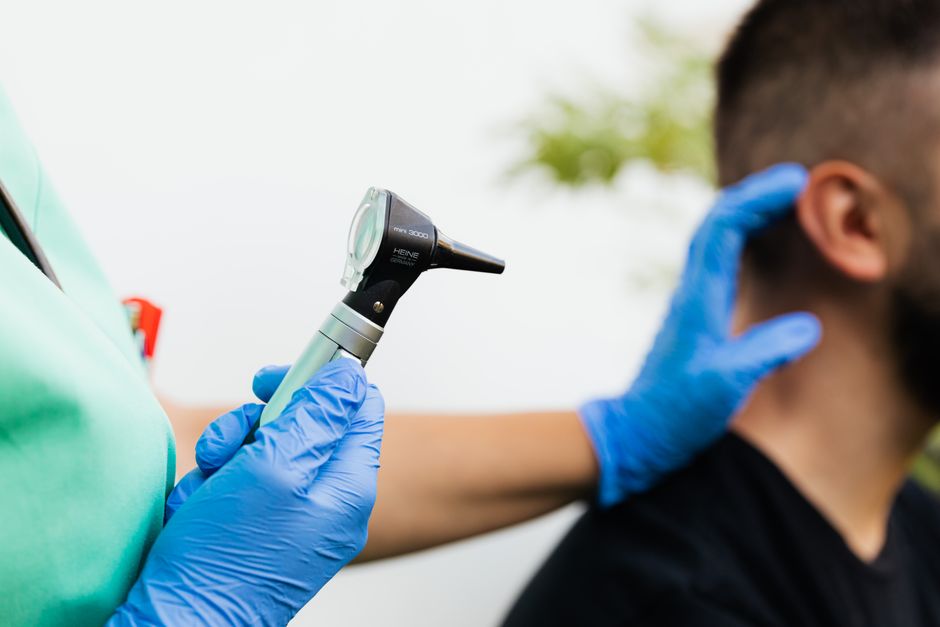
Regular hearing checks let you track changes over time. A baseline test in midlife gives your audiologist something to compare against later. If a treatable cause is found — such as earwax buildup or an infection — it can be addressed. If age-related loss is confirmed, hearing aids and other tools can help, and getting them sooner rather than later tends to make adjustment easier.
Untreated hearing loss is not just an inconvenience. Research has linked it to social isolation, and some studies associate it with cognitive decline, though researchers continue to study whether hearing loss contributes to that decline or simply travels alongside it. Either way, staying connected to sound and to people is worth protecting.
What Should You Do If You Notice Changes?
Pay attention to early signals. Trouble following conversations in noisy places, needing the TV louder than others prefer, and ringing in the ears are all worth mentioning to a doctor or audiologist.
There is no proven way to reverse age-related hearing loss once hair cells are gone. That is exactly why prevention and early action carry so much weight. The steps that protect your ears are the same ones that support your heart, your blood vessels, and your overall health. Small habits, repeated over decades, are what make the difference.
Frequently Asked Questions
Can age-related hearing loss be reversed?
No, age-related hearing loss is generally permanent because it involves the loss of inner ear hair cells that do not regenerate. Hearing aids and other devices can improve hearing but do not restore the damaged cells.
What is the safest volume for headphones?
A common guideline is to keep personal audio devices at no more than about 60 percent of maximum volume. Limiting listening time and using noise-cancelling headphones in loud settings can also help reduce the volume you need.
Does wearing earplugs really prevent hearing loss?
Yes, hearing protection reduces the intensity of sound reaching your inner ear and is widely recommended for loud environments. Foam earplugs and earmuffs are effective when worn correctly and consistently.
When should I get my hearing tested?
Many hearing specialists recommend a baseline hearing test around age 50, or sooner if you notice changes. After that, testing every few years helps track any decline.
