
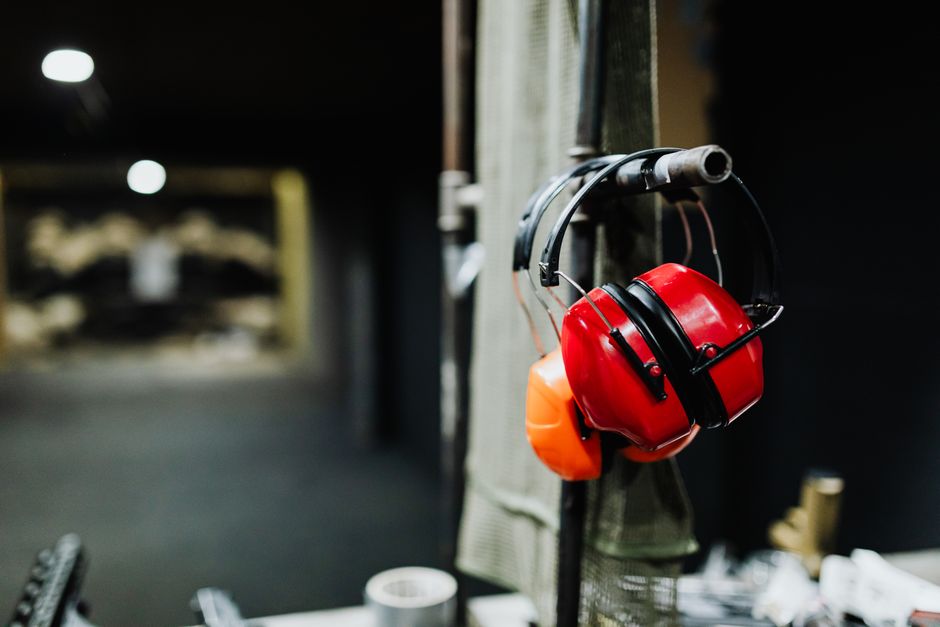
Hearing loss is one of the most common health conditions in the United States, and it is often preventable. The single most effective step you can take is to reduce your exposure to loud noise and give your ears recovery time when you cannot avoid it. Regular hearing checks, prompt treatment of ear infections, and careful management of certain medications and health conditions also play a real role in protecting your hearing over a lifetime.
Hearing damage from noise is cumulative. It builds up slowly, often without pain or warning, and the effects usually show up years later. That is why the habits you keep in your 30s and 40s matter well into your 60s and beyond.
How Does Noise Actually Damage Your Hearing?
Inside your inner ear sits a structure called the cochlea. It contains thousands of tiny hair cells that convert sound vibrations into nerve signals your brain reads as sound. These cells are fragile. Loud noise can bend or break them, and human hair cells in the cochlea do not regenerate. Once enough are damaged, hearing loss becomes permanent.
Sound is measured in decibels (dB). Normal conversation sits around 60 dB. A gas-powered lawn mower runs about 90 dB. A rock concert or a loud sporting event can reach 100 to 110 dB, and an ambulance siren or a gunshot can exceed 120 dB. The risk to your ears depends on two things: how loud the sound is and how long you are exposed to it.
Two related problems can result. The first is hearing loss itself, which usually starts in the high frequencies and makes speech harder to follow in crowded rooms. The second is tinnitus, a persistent ringing or buzzing in the ears. Both are linked to noise exposure, and both can be permanent.
One detail many people miss: damage does not require pain. You can leave a concert with your ears feeling “full” or slightly muffled, and that sensation is a sign your hair cells have been stressed. If it fades within a day, that is a good sign. If it happens repeatedly, the cumulative effect adds up.
What Are Safe Noise Levels and How Long Can You Be Exposed?
There is no single “safe” number, because duration matters as much as volume. The general principle used by hearing specialists is a time-weighted one: the louder the sound, the shorter the safe exposure window.
As a rough guide, sounds below about 70 dB are generally considered unlikely to cause hearing damage no matter how long you are exposed. Above that, the risk climbs quickly. At 85 dB, which is roughly the level of heavy city traffic or a blender, the concern begins after several hours. At 100 dB, the window shrinks to minutes, not hours.
These thresholds are not precise cutoffs. Individual sensitivity varies. Some people develop hearing loss from exposures that leave others unaffected. Genetics, age, and existing hearing damage all influence how vulnerable your ears are.
- 70 dB and below: Generally safe for extended periods.
- 85 dB: Risk begins after prolonged exposure, roughly several hours.
- 100 dB: Risk rises sharply within minutes to an hour.
- 110 dB and above: Damage can begin within a minute or two.
A practical rule many audiologists suggest: if you have to shout to be understood by someone an arm’s length away, the noise is loud enough to warrant protection. That single test is more useful than trying to guess decibels in the moment.
How Can You Protect Your Hearing in Daily Life?
The most reliable protection is reducing the volume and the time you spend around loud sound. Everything else supports that basic idea.
At concerts, clubs, and sporting events, foam or silicone earplugs can cut the sound reaching your ear by roughly 15 to 30 dB depending on the type and how well they fit. Musician’s earplugs are designed to lower volume more evenly, which many people find preserves the sound quality better than foam. These are widely used and generally effective, though no earplug eliminates risk entirely.
For everyday listening, the volume setting on personal devices matters. A common guideline, sometimes called the 60/60 rule, suggests listening at no more than about 60 percent of maximum volume for no more than 60 minutes at a time. This is a reasonable habit rather than a strict medical threshold, but it captures the right idea: lower volume and shorter sessions reduce risk.
Noise-canceling headphones can help indirectly. By blocking background sound, they let you hear your audio at a lower volume, which reduces total exposure.
At home and at work, simple steps add up:
- Move away from the source of loud sound when you can.
- Take breaks from loud environments to let your ears recover.
- Wear hearing protection when using power tools, mowers, or firearms.
- Turn down the volume on TVs, headphones, and car stereos.
- Give your ears quiet time after a loud event.
For people who work around loud machinery, construction equipment, or aircraft, hearing protection is not optional. Occupational noise is one of the best-documented causes of preventable hearing loss.
-
 How to Help a Loved One with Hearing Loss? A Simple Guide
 -
Audi Fort Reviews 2026: Does It Work for Hearing Loss or Is It a Scam?
-
What is Conductive Hearing Loss? What It Really Means
-
What is High Frequency Hearing Loss? What the Experts Say
-
Quietum Plus Reviews 2026. Complaints & Scam-Check Analysis



Can Ear Infections and Other Health Conditions Affect Hearing?
Yes. Not all hearing loss comes from noise. Infections, injuries, and certain medical conditions can damage hearing too, and some of these are treatable if caught early.
Middle ear infections, especially in children, can cause temporary hearing loss from fluid buildup. Repeated or untreated infections can lead to more lasting problems. In adults, sudden hearing loss in one ear is a medical situation that needs prompt attention. When it happens suddenly, it is often treated as urgent, because outcomes tend to be better when care begins quickly.
Other factors linked to hearing loss include:
- Certain medications. Some drugs, including certain antibiotics and chemotherapy agents, can damage the inner ear. These are sometimes called ototoxic medications. If you take one, your doctor may monitor your hearing.
- Chronic conditions. Diabetes and high blood pressure have been associated with hearing loss in some studies, though the relationship is not fully understood.
- Head injuries. A blow to the head can damage the ear structures or the nerve pathways involved in hearing.
- Earwax buildup. This is a common and reversible cause of muffled hearing. It should be removed by a clinician rather than with cotton swabs, which can push wax deeper or injure the ear canal.
If you notice muffled hearing that does not clear, ringing that persists, or difficulty following conversations, that is a reason to see a doctor rather than wait.
Does Age-Related Hearing Loss Still Happen Even With Good Habits?
Yes, and this is important to be honest about. Age-related hearing loss, called presbycusis, is common and affects a large share of adults as they get older. It results from gradual changes in the inner ear and the nerve pathways that carry sound to the brain. Good hearing habits reduce your risk and can slow the process, but they do not eliminate it.
What protection does is lower your total lifetime burden. If you avoid loud noise and manage other risk factors, you may enter older age with better hearing than you otherwise would have. That difference can be meaningful for daily life, especially for understanding speech.
Age-related hearing loss typically affects high-pitched sounds first. That is why many people notice they can hear but cannot always understand, particularly in noisy settings or when someone speaks softly. It often develops so gradually that people around them notice before they do.
When Should You Get Your Hearing Checked?
Hearing checks are quick and painless, and they give you a baseline you can compare against later. There is no single recommended schedule that applies to everyone, but a few situations clearly call for testing.
Consider a hearing test if you:
- Frequently ask people to repeat themselves.
- Struggle to follow conversations in restaurants or group settings.
- Turn up the TV or radio louder than others prefer.
- Notice ringing or buzzing in your ears.
- Have a job or hobby with regular loud noise exposure.
- Have a family history of hearing loss.
For adults without symptoms, some clinicians suggest a baseline test in midlife and periodic checks afterward, but this is a matter of clinical judgment rather than a firm guideline. If you are unsure, ask your primary care doctor.
Hearing loss is also linked to other health concerns. Research has associated untreated hearing loss with cognitive decline and social isolation, though the exact reasons are still being studied and the relationship is not fully settled. What is clear is that hearing affects communication, safety, and quality of life, which is reason enough to take it seriously.
What About Hearing Aids and Other Treatments?
For most sensorineural hearing loss, meaning loss caused by damage to the inner ear or hearing nerve, there is no treatment that restores normal hearing. Hearing aids amplify sound and can improve communication for many people, but they do not reverse the underlying damage. This is a point where honesty matters: no supplement, oil, or device has been shown to regrow cochlear hair cells in humans.
Cochlear implants are an option for some people with severe to profound hearing loss. They work differently from hearing aids by directly stimulating the hearing nerve. They are recommended only for specific candidates after evaluation by specialists.
For conductive hearing loss, which involves problems in the outer or middle ear, treatment can sometimes address the cause. Examples include removing earwax, treating an infection, or repairing a damaged eardrum. Outcomes vary depending on the specific problem.
Be cautious of products marketed to “restore” hearing or “repair” hair cells. As of current evidence, no over-the-counter product has been shown to reverse noise-induced or age-related hearing loss.
Frequently Asked Questions
Can hearing loss from loud noise be reversed?
No. Noise-induced hearing loss is caused by damage to hair cells in the inner ear that do not regenerate in humans, so the loss is permanent. Protecting your ears now is the only reliable way to prevent further damage.
How loud is too loud for my ears?
A practical test is whether you must shout to be understood by someone an arm’s length away, which suggests the noise is loud enough to warrant protection. Sounds at or above 85 dB carry risk with prolonged exposure, and the risk rises quickly as volume increases.
Do earplugs really protect hearing at concerts?
Yes, earplugs can reduce the sound reaching your ear by roughly 15 to 30 dB depending on the type and fit. Musician’s earplugs lower volume more evenly, which many people prefer for sound quality.
Can vitamins or supplements prevent hearing loss?
No supplement has been shown in human trials to prevent or reverse hearing loss. Some research has looked at specific nutrients, but the evidence does not currently support using supplements for this purpose.
Protecting your hearing comes down to a few consistent habits: keep the volume down, limit time around loud sound, use earplugs when you cannot avoid it, and get your hearing checked if something changes. None of this is complicated. It just needs to be done before the damage adds up, because by the time hearing loss is noticeable, much of it is already permanent.
