
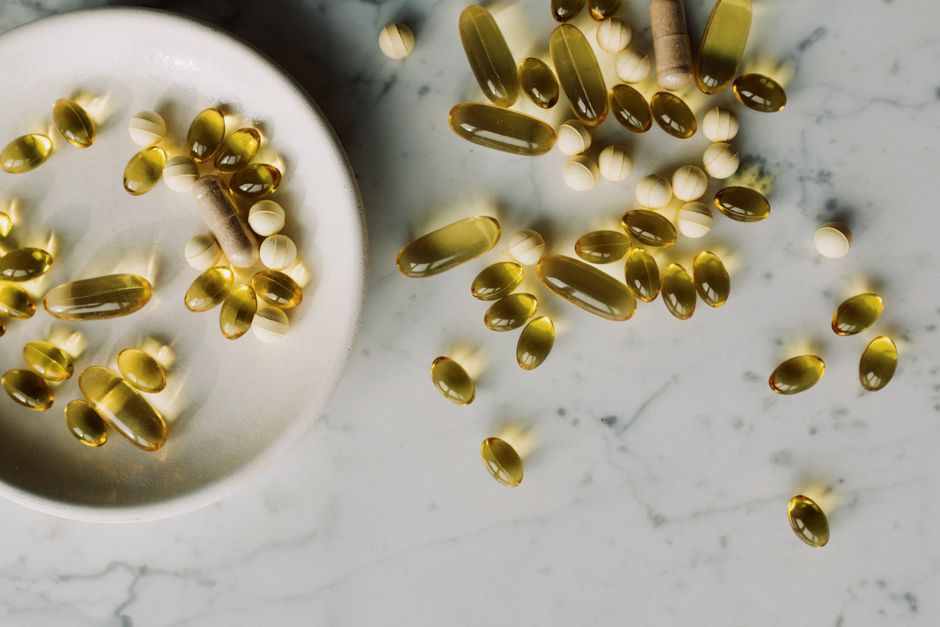
Vitamin C does not prevent COVID-19, and there is no strong evidence that it treats the infection in people who are not seriously ill. The most reliable research so far shows it does not reduce your risk of catching the virus or shorten the course of a mild case. That does not mean vitamin C is useless. It is a genuine nutrient your body needs, and in hospital settings it has been studied for very sick patients — with mixed results.
If you came here hoping for a simple yes, the honest answer is no. But the full picture is more interesting than a one-word verdict, and it matters for how you spend your money and your time.
Does Vitamin C Help Prevent Or Treat Covid?
No. Vitamin C does not prevent COVID-19, and it does not treat mild or moderate cases in any way that has been proven to help.
This is one of the clearest findings to come out of the pandemic research effort. Several randomized controlled trials — the type of study that can actually show cause and effect — tested vitamin C in people with COVID-19. The results did not show a benefit for outcomes like symptom duration, hospitalization, or death in patients who were not critically ill.
Some people point to vitamin C’s role in immune function and assume that must translate into protection against a specific virus. That logic sounds reasonable. It is also where a lot of supplement marketing lives. But the body needing a nutrient to run its immune system is not the same as giving extra of that nutrient fighting off a new infection. Biological plausibility is not the same as demonstrated benefit.
What the evidence consistently shows is that for the general population, vitamin C supplementation does not reduce the risk of getting COVID-19. The same appears true for treating it once you have it.
Why Did Vitamin C Get Linked To Covid In The First Place?
The link came from a reasonable starting point. Vitamin C is an antioxidant, and it supports several functions of the immune system. Severe infections are known to deplete vitamin C levels in the body, sometimes dramatically.
That observation — low vitamin C in very sick patients — led researchers to ask whether giving high doses might help. It is a fair question. If a nutrient drops during severe illness, restoring it could plausibly matter.
Early in the pandemic, before good trials existed, this reasoning spread fast on social media. Vitamin C is cheap, widely available, and generally low-risk, which made it an appealing thing to reach for when people felt powerless. Some hospitals in China and elsewhere began using high-dose intravenous vitamin C in critically ill patients, partly on the theory that it might reduce inflammation and support organ function.
This is a familiar pattern in medicine. A plausible mechanism plus a scary disease plus an available product equals widespread use before the evidence is in. The evidence then arrives, and it is usually more modest than the theory.
What Does The Research Actually Show?
The research shows no benefit for prevention and no clear benefit for treatment in most patients.
It helps to separate the two questions, because they are not the same:
- Prevention: Taking vitamin C regularly to avoid getting COVID-19. Trials have not shown this works.
- Treatment in mild illness: Taking vitamin C after testing positive to shorten or soften the illness. Trials have not shown a reliable benefit here either.
- Treatment in critical illness: High-dose intravenous vitamin C given in intensive care. This is where the picture is genuinely mixed.
The critical care research is the part worth being careful about. Some studies looked at whether intravenous vitamin C could help patients with severe COVID-19 or sepsis. Results have been inconsistent. Some suggested possible benefit; others found none. When trials disagree, the honest position is that the evidence is not settled — not that it works, and not that it definitively fails in every subgroup.
It is also worth noting that vitamin C has been studied in critical care for years, well before COVID-19, for conditions like sepsis and acute respiratory distress. That broader body of research has also produced mixed results. So the COVID-19 findings fit a larger pattern rather than standing alone.
One clarification that often gets lost: the trials that failed to show benefit were not testing whether vitamin C is a good nutrient. They were testing whether giving extra, above normal needs, changes the outcome of a specific viral infection. Those are different questions, and the answer to the second is no.
How Much Vitamin C Do You Actually Need?
Most adults need far less vitamin C than supplement bottles suggest. The Recommended Dietary Allowance for adult men is 90 mg per day and for adult women is 75 mg per day. Smokers need more, because smoking depletes vitamin C.
To put that in perspective, a single medium orange provides roughly 70 mg. A half cup of raw red bell pepper provides more than 90 mg. It is not hard to meet the requirement through food.
| Source | Approximate Vitamin C |
|---|---|
| Medium orange | About 70 mg |
| Half cup raw red bell pepper | About 95 mg |
| Half cup cooked broccoli | About 50 mg |
| Medium kiwi | About 60 mg |
| Half cup strawberries | About 50 mg |
These figures come from standard USDA nutrient data. The point is simple: you can meet your daily need with a normal diet, and there is no established benefit to taking large doses to fight COVID-19.
High doses are not automatically harmless. Very large amounts taken by mouth can cause digestive upset, including diarrhea and stomach cramps. People with certain health conditions, particularly kidney problems or a history of kidney stones, should be cautious with high-dose supplements and talk to a clinician first. The tolerable upper intake level for adults is 2,000 mg per day from all sources, set because of these digestive effects.
Are There Proven Methods That Actually Help Against Covid?
Yes, and they are not supplements. The measures with the strongest evidence are vaccination and, for people at high risk, specific antiviral treatments prescribed by a clinician.
Vaccination remains the most studied and most effective tool for reducing the risk of severe illness, hospitalization, and death from COVID-19. The evidence for this is extensive and consistent across many countries and large studies.
For people who are at higher risk — older adults, or those with conditions like diabetes, heart disease, or a weakened immune system — antiviral medications can reduce the chance of severe illness when started early in the infection. These require a prescription and a conversation with a healthcare provider about timing and suitability. They are not something to self-prescribe.
Basic measures still matter during active waves: staying home when sick, improving indoor ventilation, and hand hygiene. None of these are glamorous, and none of them sell products. That is part of why they get less attention online than a supplement.
If you are trying to protect yourself, the honest ranking puts vaccination and early antiviral treatment for high-risk people at the top. Vitamin C does not belong on that list for COVID-19 specifically.
Should You Still Take Vitamin C?
You should get enough vitamin C, ideally from food. Whether you need a supplement depends on your diet and your health, not on COVID-19.
Vitamin C is a real nutrient with real jobs. It helps make collagen, supports wound healing, and aids in absorbing iron from plant foods. A genuine deficiency — rare in the United States but possible with very limited diets — causes scurvy, which affects the skin, gums, and blood vessels.
If your diet includes regular fruits and vegetables, you almost certainly meet your needs without a supplement. If you do not eat much produce, a basic multivitamin or a modest vitamin C supplement can fill the gap. That is a reasonable use. Taking large doses specifically to fight COVID-19 is not supported by the evidence.
There is a broader lesson here that goes beyond vitamin C. During the pandemic, sales of many supplements rose sharply on the strength of hope rather than data. Some of those products have since been studied and found not to help. The pattern is worth remembering the next time a supplement is promoted as protection against a serious infection.
Frequently Asked Questions
Can vitamin C prevent COVID-19?
No. Randomized trials have not shown that taking vitamin C reduces the risk of catching COVID-19. It supports normal immune function, but that is not the same as preventing a specific viral infection.
Does vitamin C help if you already have COVID-19?
The evidence does not show a reliable benefit for treating mild or moderate COVID-19. In critically ill patients, results from studies of high-dose intravenous vitamin C have been mixed, so it is not considered an established treatment.
How much vitamin C do adults need per day?
The Recommended Dietary Allowance is 90 mg per day for adult men and 75 mg per day for adult women. Smokers need more because smoking depletes vitamin C.
Is it safe to take high doses of vitamin C?
Large oral doses can cause diarrhea and stomach cramps, and the tolerable upper intake level for adults is 2,000 mg per day. People with kidney problems or a history of kidney stones should talk to a clinician before taking high doses.
