
Hair loss is not one single condition. It is a symptom with many possible causes, and the cause determines whether the loss is temporary, permanent, or treatable. Most hair loss comes from a combination of genetics and hormones, but stress, nutritional gaps, medical conditions, and certain hair care practices can also trigger it. Understanding where your hair loss actually comes from is the first step toward knowing what will help and what will not.
Does Hair Loss Come From Genetics or Something Else?
Genetics is the most common cause of permanent hair loss. This condition is called androgenetic alopecia, and it affects both men and women. In men, it typically starts with a receding hairline or thinning at the crown. In women, it usually appears as overall thinning, especially at the top of the scalp.
This type of hair loss comes from how your hair follicles respond to hormones called androgens, particularly dihydrotestosterone (DHT). DHT binds to receptors in the hair follicle and gradually shrinks it over time. Each hair that grows back is thinner and shorter than the one before. Eventually, the follicle stops producing hair entirely.
Contrary to what many people believe, the gene for this condition can come from either side of your family. The old myth that you inherit hair loss only from your mother’s father is not accurate. Research shows the trait is influenced by many genes from both parents.
Can Stress Really Cause Hair to Fall Out?
Yes, stress can cause hair loss, but the mechanism is different from genetic hair loss. Stress-related hair loss is usually temporary. The most common form is called telogen effluvium, and it happens when a stressful event pushes a large number of hair follicles into the resting phase at the same time.
Normally, about 85-90% of your hair is in the growing phase at any moment. A major stressor—like surgery, severe illness, rapid weight loss, or emotional trauma—can shift a large percentage of hairs into the shedding phase. The result is noticeable hair loss, but it usually appears two to three months after the stressful event, not immediately.
The good news is that telogen effluvium is typically reversible. Once the stressor resolves, hair growth usually returns to normal within six to nine months. However, if stress is chronic, the shedding can continue. Some research also links stress to a condition called trichotillomania, where people pull out their own hair as a coping mechanism, but this is a separate psychiatric condition requiring different treatment.
What Vitamin Deficiencies Cause Hair Loss?
Nutritional deficiencies can absolutely cause hair loss, but they are less common than people think. In otherwise healthy adults with a balanced diet, a deficiency is rarely the root cause. Still, certain nutrients are essential for hair production.
Iron deficiency is one of the more established links to hair loss, particularly in women. Low ferritin levels—the stored form of iron—have been associated with telogen effluvium in several studies. If you have heavy menstrual bleeding or follow a vegetarian or vegan diet, your iron status is worth checking.
Vitamin D deficiency has also been linked to hair thinning, though the exact mechanism is not fully understood. Some research suggests vitamin D plays a role in the hair growth cycle, and low levels have been found in people with certain types of hair loss. However, large clinical trials confirming that vitamin D supplements regrow hair are still lacking.
Other nutrients connected to hair health include zinc, biotin, and protein. Severe protein deficiency can cause hair to enter the resting phase, but this is rare in developed countries. Biotin deficiency is even rarer—most people get plenty from food, and taking extra biotin has not been shown to regrow hair in people without a true deficiency.




Are There Medical Conditions Behind Hair Loss?
Several medical conditions can cause hair loss, and some are more serious than others. Alopecia areata is an autoimmune condition where the immune system attacks hair follicles. It typically causes round patches of hair loss on the scalp. In most cases, hair regrows on its own within a year, but some people experience more extensive or recurring loss.
Thyroid disorders are another well-documented cause. Both hypothyroidism and hyperthyroidism can disrupt the hair growth cycle, leading to diffuse thinning across the entire scalp. Treating the underlying thyroid condition usually improves hair loss, though it can take several months to see results.
Hormonal changes from pregnancy, childbirth, and menopause can also trigger shedding. Postpartum hair loss is extremely common and usually peaks around three to four months after delivery. It is a form of telogen effluvium and typically resolves on its own.
Scalp conditions like fungal infections, particularly tinea capitis, can cause patchy hair loss with scaling and itching. This requires medical treatment with antifungal medication—over-the-counter shampoos are not sufficient. If you notice redness, scaling, or broken hairs along with your loss, see a healthcare provider.
Can Hair Products or Styling Damage Hair?
Yes, but this type of hair loss is different from the others. Styling damage typically breaks the hair shaft rather than damaging the follicle. Tight hairstyles—like ponytails, braids, or buns—can cause a condition called traction alopecia. The constant pulling damages the follicle over time, and if the tension continues, the damage can become permanent.
Chemical treatments like relaxers, perms, and aggressive bleaching can weaken the hair shaft, causing breakage. This looks like hair loss, but the follicle itself is usually intact. Once you stop the damaging practice, hair typically regrows.
Heat styling tools can also cause breakage. If you use flat irons or curling irons at high temperatures regularly, the outer layer of the hair shaft can be damaged. This makes hair more prone to snapping, especially if it is already chemically processed.
The distinction matters because breakage and true hair loss require different approaches. If hair is breaking, the fix is changing how you style and treat your hair. If hair is falling from the root, the cause is internal.
What Treatments Are Actually Proven to Work?
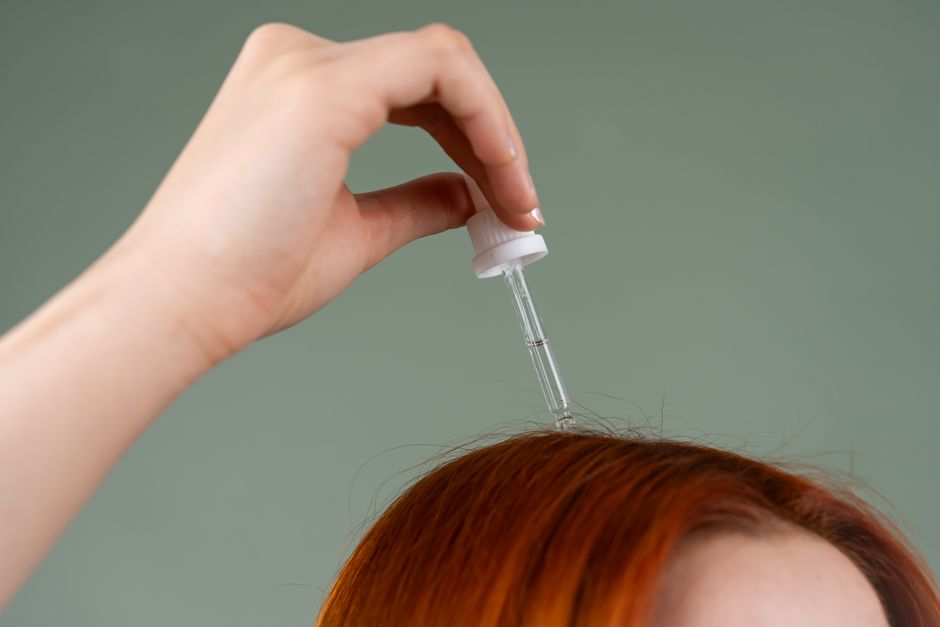
Two medications have the strongest evidence for treating genetic hair loss: minoxidil and finasteride. Minoxidil is available over the counter as a topical foam or liquid. It is approved for both men and women and works by stimulating hair follicles. It takes at least four to six months to see results, and the effects stop if you discontinue use.
Finasteride is a prescription oral medication for men. It works by blocking the enzyme that converts testosterone into DHT. Studies show it slows hair loss and promotes regrowth in many men, but it can cause sexual side effects in a small percentage of users. Women who are pregnant or may become pregnant should not handle crushed or broken finasteride tablets.
Low-level laser therapy is another option with some evidence behind it. Devices like laser combs and helmets emit red light that may stimulate hair follicles. The evidence is modest, and results vary, but it is a low-risk option for people who prefer not to use medications.
Platelet-rich plasma (PRP) therapy has gained popularity in recent years. It involves drawing your blood, processing it to concentrate the platelets, and injecting it into the scalp. Some studies show benefit, but the evidence is not as strong as it is for minoxidil or finasteride. It is also expensive and typically requires multiple sessions.
Hair transplant surgery is the most permanent solution for genetic hair loss. It moves hair follicles from areas resistant to DHT—usually the back and sides of the scalp—to thinning areas. The results are permanent, but the procedure is costly and requires a skilled surgeon.
When Should You See a Doctor About Hair Loss?
Sudden or patchy hair loss warrants a medical evaluation. If you are losing hair in clumps, developing bald patches, or noticing scalp redness, itching, or pain, see a healthcare provider. These symptoms can indicate an underlying medical condition that needs treatment.
Gradual thinning is less urgent, but it is still worth discussing with a doctor, especially if it is affecting your quality of life. A primary care physician can run basic blood tests to check thyroid function, iron levels, and vitamin D. They can also refer you to a dermatologist who specializes in hair disorders.
Early intervention matters for genetic hair loss. Once a follicle stops producing hair entirely, it is difficult to revive. Treatments like minoxidil and finasteride are most effective when started early, before significant thinning occurs.
Be cautious about products that promise rapid regrowth. No shampoo, serum, or supplement can cure genetic hair loss. If a product sounds too good to be true, it probably is. The honest position is that effective hair loss treatment requires either medical intervention or addressing an underlying cause—not a miracle bottle.
Frequently Asked Questions
Can hair loss grow back on its own?
Yes, if the cause is temporary, such as stress, childbirth, or a nutritional deficiency. Genetic hair loss does not regrow on its own and typically worsens without treatment.
Does wearing a hat cause hair loss?
No, wearing a hat does not cause hair loss. Hats do not restrict blood flow to the scalp or damage hair follicles.
Is hair loss from stress permanent?
No, stress-related hair loss is usually temporary. Once the stressor resolves, hair growth typically returns to normal within six to nine months.
What is the best vitamin for hair loss?
There is no single best vitamin for hair loss. If you have a confirmed deficiency, correcting it helps, but supplements only work when a deficiency actually exists.
