
Fetal alcohol syndrome is preventable. It is the only permanent developmental disability caused entirely by something a pregnant woman consumes. No amount of alcohol has been proven safe during pregnancy, so the surest way to prevent fetal alcohol syndrome is to drink no alcohol at all from the moment you start trying to conceive through the end of pregnancy. That single decision protects your baby from the leading known cause of preventable intellectual disability in the United States.
How To Prevent Fetal Alcohol Syndrome During Pregnancy?
You prevent it by not drinking alcohol at any point during pregnancy, and by stopping before conception if you are trying to get pregnant. There is no treatment that reverses fetal alcohol syndrome after it occurs. Prevention is the whole strategy, and it works completely when followed.
Alcohol is a teratogen, meaning a substance that can disrupt fetal development. When a pregnant woman drinks, alcohol crosses the placenta and reaches the fetus. The fetus cannot process alcohol the way an adult liver does. The result is that alcohol circulates in the fetal bloodstream at concentrations that can interfere with the growth and migration of brain cells.
The brain develops throughout all three trimesters, which is why the risk does not end after the first twelve weeks. Some people believe the danger passes once the first trimester is over. It does not. Brain development continues until birth, and alcohol exposure at any stage can affect it.
Why Is There No Known Safe Amount of Alcohol in Pregnancy?
No study has established a threshold below which alcohol is safe during pregnancy. This is not a cautious guess. It reflects a genuine gap in the evidence that cannot be filled ethically, because researchers cannot randomly assign pregnant women to drink alcohol and compare outcomes.
What the evidence does show is a dose-response relationship. Heavier and more frequent drinking is linked to more severe outcomes. But milder effects at low levels of exposure are harder to detect and harder to rule out. Some studies suggest even small amounts may affect behavior and learning in childhood, though results vary and the evidence is not uniform.
Because the research cannot identify a safe lower limit, major health organizations in the United States and internationally advise complete abstinence during pregnancy. This is a case where the absence of proof of harm at low doses is not proof of safety. The recommendation to avoid alcohol entirely rests on that honest uncertainty.
There is no vaccine, supplement, medication, or dietary pattern that prevents fetal alcohol syndrome. Nothing offsets alcohol that has already reached the fetus. The only reliable prevention is avoiding the exposure in the first place.
What If You Drank Before You Knew You Were Pregnant?
Many pregnancies are unplanned, and many women drink socially before a positive test. If this happened to you, the most useful step is to stop drinking as soon as you learn you are pregnant, and to tell your obstetric clinician what you consumed so they can advise on any monitoring.
The first weeks of pregnancy are a period of rapid development, and this is when some alcohol-related facial features and structural effects are thought to be established. But the brain keeps developing for the entire pregnancy. Stopping early removes further exposure and is genuinely meaningful, even if you cannot undo what already happened.
Do not assume harm has occurred, and do not assume it has not. Neither you nor your clinician can know from a history of drinking alone. What matters going forward is that you stop and that you get regular prenatal care. Your clinician can assess your baby’s growth and development over the course of the pregnancy.





Which Groups Face the Highest Risk?
Fetal alcohol syndrome can affect any pregnancy where alcohol is consumed, regardless of income, education, or background. Certain situations raise the risk because they make it harder to stop drinking, not because of who a person is.
- Unplanned pregnancy. Drinking continues into early pregnancy before a woman knows she is pregnant.
- Frequent or heavy drinking. Higher and more regular alcohol use is linked to more severe outcomes.
- Alcohol use disorder. This is a medical condition that requires treatment, not willpower alone.
- Lack of prenatal care. Fewer check-ins mean less opportunity for screening and support.
- Social pressure or stigma. Fear of judgment can keep women from asking for help to stop.
The stigma around drinking in pregnancy is a real barrier. Women who need help often stay silent because they fear blame. Treatment for alcohol use disorder during pregnancy exists and is appropriate. Seeking it is a protective act, not a failure.
How Can Partners and Families Help Prevent It?
Prevention is easier when the people around a pregnant woman support it. A partner who stops drinking alongside her removes temptation and social pressure. Friends who plan alcohol-free gatherings make abstinence feel normal rather than isolating.
If you are the partner or family member of someone who is pregnant or trying to conceive, the most helpful thing you can do is not push drinks, not question her choice to abstain, and not treat pregnancy as a temporary pause she should resent. Social expectation is one of the reasons women drink during pregnancy despite knowing the guidance.
For someone with an alcohol use disorder, encouragement to seek care matters more than reminders about risk. Brief counseling and treatment programs are available, and pregnancy is a strong motivator for many women to engage with them. Clinicians routinely screen for alcohol use at prenatal visits for exactly this reason.
What Happens If Alcohol Is Not Avoided?
Fetal alcohol spectrum disorders, or FASD, is the umbrella term for the range of effects that can result from alcohol exposure before birth. Fetal alcohol syndrome is the most severe form. The effects are permanent and can include distinctive facial features, growth problems, and difficulties with learning, memory, attention, and behavior.
These are lifelong conditions. There is no cure, and no treatment reverses the underlying brain effects, though early support and services can help a child function better. This is why prevention carries so much weight. It is one of the few areas of medicine where a single behavioral choice can fully eliminate a serious developmental disability.
The condition is more common than many people realize. Some estimates from public health agencies suggest that a meaningful share of children live with some form of FASD, though precise counts are difficult because milder forms often go unrecognized. The uncertainty in the numbers does not change the prevention message.
What About Alcohol in Food, Mouthwash, or Hand Sanitizer?
This is where people reasonably worry about hidden exposure. The amounts involved are very different from drinking alcohol, and the general clinical view is that these are not meaningful sources of risk.
Cooking with alcohol usually leaves some residual alcohol, but the quantity in a serving of food made with wine or spirits is small compared with a drink. Some clinicians advise avoiding alcohol as an ingredient during pregnancy simply because the exact residual amount is hard to measure. That is a precaution, not a demonstrated risk.
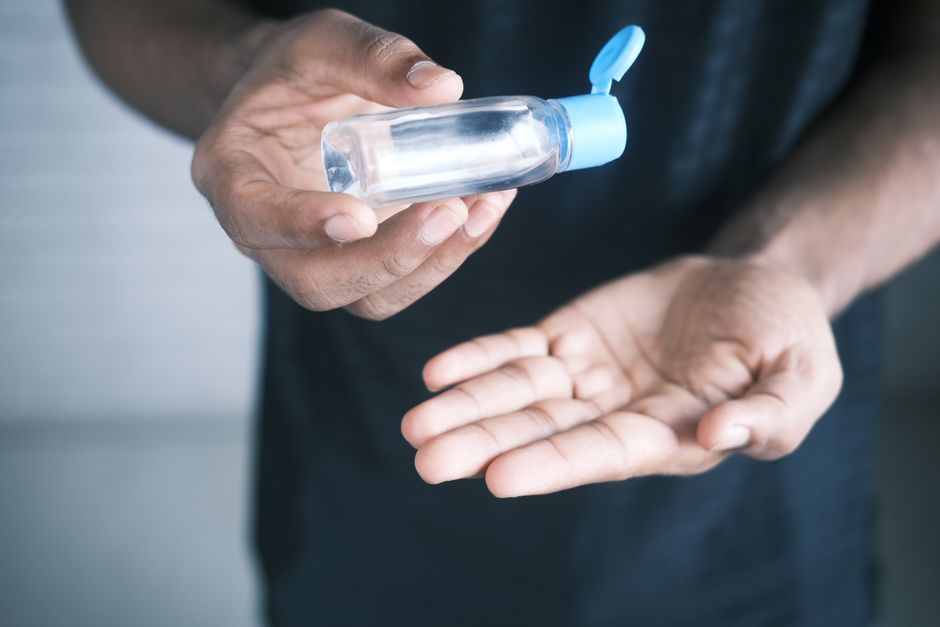
Mouthwash and hand sanitizer contain alcohol but are not swallowed in meaningful amounts during normal use. Ripe fruit and fruit juice can contain trace amounts of alcohol from natural fermentation, but these are far below any level associated with harm. None of these are considered causes of fetal alcohol syndrome.
The exposure that matters is drinking alcoholic beverages. That is the one within your control and the one the prevention guidance is aimed at.
When Should You Stop Drinking If You Are Trying to Conceive?
Stop before you start trying. Because pregnancy can be confirmed weeks after conception, and because the earliest weeks are a period of active development, the safest approach is to avoid alcohol as soon as you begin trying to conceive.
If you are not planning a pregnancy but could become pregnant, this is the reasoning behind guidance that sexually active women who might conceive should avoid alcohol unless using reliable contraception. The recommendation is not meant to alarm. It reflects the simple fact that early pregnancy is often unrecognized.
If you are already pregnant and still drinking, stop now. Every day without alcohol is a day without exposure. Your clinician can help you find support if stopping is difficult, and there is no shame in asking.
Frequently Asked Questions
Is any amount of alcohol safe during pregnancy?
No amount has been proven safe. Because research cannot identify a safe lower limit, health guidance recommends avoiding alcohol entirely during pregnancy.
Can fetal alcohol syndrome be cured?
No, fetal alcohol syndrome is permanent and cannot be cured. Early support services can help a child function better, which is why prevention is so important.
I drank before I knew I was pregnant. Is my baby harmed?
No one can know from a history of drinking alone, so stop drinking now and tell your clinician. Early prenatal care can help monitor your baby’s growth and development.
Does the risk end after the first trimester?
No, the brain develops throughout all three trimesters. Alcohol exposure at any stage of pregnancy can affect development.
