
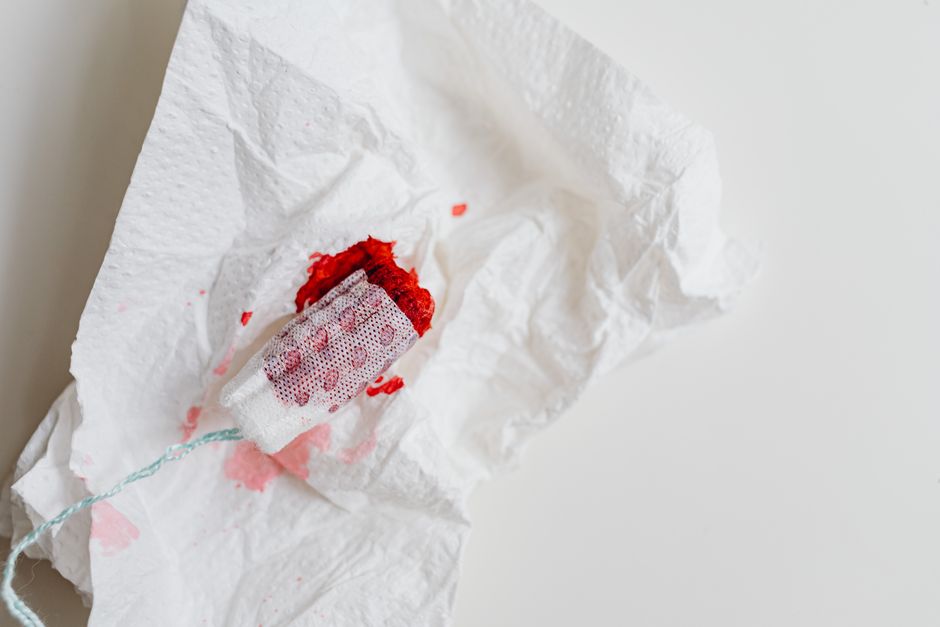
Bleeding during pregnancy is common, and in many cases it does not mean something is wrong. Light spotting happens in a significant number of pregnancies, especially in the first trimester, and most of those pregnancies continue normally. But bleeding can also be a sign of a serious problem, so any bleeding in pregnancy deserves a call to your doctor or midwife rather than a wait-and-see approach.
This guide explains what bleeding in pregnancy usually means, why it happens at different stages, which patterns are more concerning, and what to do. It separates well-established facts from areas where the evidence is less clear. It is information, not a substitute for medical care.
Do You Bleed During Pregnancy?
Yes, many people do, and it is more common than most expect. Studies suggest that roughly one in four pregnant women experiences some bleeding in early pregnancy. Most of these episodes are light and resolve on their own.
Bleeding is not a normal feature of a healthy pregnancy, though. It is a symptom, and symptoms have causes. Some causes are harmless. Others need treatment or close monitoring. The reason a pregnant person should never ignore bleeding is not that it is usually dangerous. It is that you cannot tell which kind you are having without an evaluation.
There is an important distinction between bleeding and spotting. Spotting is a few drops of blood — enough to mark underwear or toilet paper but not enough to need a pad. Bleeding is heavier and may need a pad. Clinicians ask about this distinction because the amount and pattern help narrow down what is going on.
What Causes Bleeding in Early Pregnancy?
The first trimester is when most pregnancy bleeding happens, and there are several well-understood reasons for it. The most common is implantation bleeding, which occurs when the fertilized egg attaches to the lining of the uterus. It usually happens around the time a period would be due, is light, and lasts a short time.
Hormonal changes can also cause spotting. The cervix becomes softer and more sensitive in pregnancy, and it may bleed lightly after sex, a pelvic exam, or a Pap smear. This is common and generally not a sign of a problem.
More serious causes include:
- Miscarriage. Bleeding is the most common sign of early pregnancy loss. It often starts light and becomes heavier, sometimes with cramping.
- Ectopic pregnancy. The embryo implants outside the uterus, usually in a fallopian tube. This is a medical emergency. Bleeding may be accompanied by sharp one-sided pain, dizziness, or shoulder pain.
- Subchorionic hematoma. A collection of blood between the embryo’s membranes and the uterine wall. Many of these resolve on their own, but they can cause bleeding and need monitoring.
- Infection. Certain infections of the cervix or vagina can cause bleeding.
One thing that surprises many people: the amount of bleeding does not reliably tell you what is happening. A miscarriage can start with light spotting, and implantation bleeding can look similar. That is why an ultrasound and blood tests are the tools that actually answer the question.
What Does Bleeding in the Second and Third Trimester Mean?
Bleeding later in pregnancy is less common and generally taken more seriously. The causes are different from early pregnancy, and several of them are conditions that need prompt medical attention.
Placenta previa is when the placenta covers or sits very close to the cervix. It can cause painless, bright red bleeding, often in the second half of pregnancy. It is usually detected on ultrasound before it causes bleeding, and many cases resolve as the uterus grows.
Placental abruption is when the placenta separates from the uterine wall before birth. It can cause bleeding, though sometimes the blood is trapped and little or none is visible. It is often accompanied by abdominal pain, back pain, or a hard, tender uterus. Abruption is a medical emergency.
Preterm labor can cause bleeding along with contractions, pelvic pressure, or a change in vaginal discharge. Vasa previa is a rare condition where fetal blood vessels cross the cervix and can tear. Uterine rupture is rare but serious, and it can occur in people who have had certain types of prior uterine surgery.
Any bleeding in the second or third trimester should be reported right away. It is not something to watch at home.





How Do You Tell Normal Spotting From a Problem?
You cannot reliably tell on your own, and that is the honest answer. No pattern of color, amount, or timing can confirm that bleeding is harmless. Only an evaluation can do that.
That said, some features are more often linked to a benign cause, and others point toward something that needs urgent care. These are clues to share with your doctor, not a diagnosis.
| Feature | Often less concerning | Needs urgent evaluation |
|---|---|---|
| Amount | Spotting, a few drops | Heavy bleeding, soaking a pad |
| Color | Light pink or brown | Bright red |
| Pain | Mild or none | Sharp, severe, or one-sided pain |
| Other symptoms | None | Dizziness, fainting, fever, shoulder pain |
| Timing | After sex or an exam | Any time in the second half of pregnancy |
Color alone means little. Brown blood is usually older blood that has taken time to exit the body, and pink is often a small amount mixed with discharge. Bright red blood is fresher, but fresh blood can still come from a sensitive cervix. The pattern matters more than any single feature.
When Should You Call Your Doctor?
Call your doctor or midwife for any bleeding in pregnancy. That is the standard advice, and it is the right one. Some situations need emergency care rather than a call.
Seek emergency care right away if you have:
- Heavy bleeding, or bleeding that soaks through a pad in an hour
- Severe or one-sided abdominal pain
- Dizziness, fainting, or a racing heart
- Shoulder tip pain, which can signal internal bleeding from an ectopic pregnancy
- Fever or chills along with bleeding
- Bleeding after 20 weeks of pregnancy
- Passing tissue or clots
For lighter bleeding without other symptoms, call your doctor’s office the same day. They can decide whether you need to be seen. Do not wait for a scheduled appointment if the bleeding gets heavier or new symptoms appear.
What Happens When You Report Bleeding?
Your doctor will ask about the amount, color, timing, and any pain or other symptoms. Then they will examine you and likely order tests. The most common are a pelvic exam, an ultrasound, and blood tests.
An ultrasound can show whether the pregnancy is in the uterus, whether a heartbeat is present, and whether there is a hematoma or placental problem. Blood tests measure the pregnancy hormone hCG and, in some cases, progesterone. In early pregnancy, hCG levels are checked more than once to see whether they are rising as expected.
If the cause turns out to be something like a sensitive cervix or a small hematoma, the plan may be simple monitoring. If it is an ectopic pregnancy or placental abruption, treatment is urgent. The evaluation is what separates these paths, and it usually happens quickly.
Does Bleeding Mean You Will Lose the Pregnancy?
No. Most pregnancies with early light bleeding continue normally. Research consistently shows that a large share of women who bleed in early pregnancy go on to have healthy babies.
The outlook depends on the cause and on what tests show. If an ultrasound shows a normal pregnancy with a heartbeat, the chance of continuing is high. If bleeding is heavy, accompanied by cramping, or if no heartbeat is seen at a point when one should be visible, the risk is higher. Your doctor can give you a more specific picture based on your own test results.
One thing worth knowing: bleeding does not cause miscarriage. It is a sign of what is already happening, not the trigger. Resting, lying down, or avoiding activity will not change the outcome of an early pregnancy loss. That is a common belief, and the evidence does not support it.
What About Bleeding After Sex or Exercise?
Light bleeding after sex is common in pregnancy because the cervix has more blood flow and is more sensitive. It is usually harmless, but it should still be reported so your doctor can confirm the cause.
Exercise does not cause pregnancy bleeding in a healthy pregnancy. There is no evidence that normal physical activity triggers miscarriage. If bleeding starts during or after exercise, treat it like any other bleeding and call your doctor.
Some people worry that a prior miscarriage, a fall, or stress caused bleeding. In most cases, early pregnancy loss is related to chromosomal problems in the embryo, not to anything the pregnant person did. This is well established and worth saying plainly, because guilt is common and usually misplaced.
What Should You Do While Waiting to Be Seen?
Use a pad rather than a tampon so you can track the amount of bleeding. Note the color and whether there are clots. Avoid intercourse until your doctor has evaluated you. Do not take any medication for bleeding or pain without asking your doctor first, since some common pain relievers are not recommended in pregnancy.
Keep track of any other symptoms, such as cramping, dizziness, or fever, and report them. If bleeding gets heavier or you feel unwell, go to emergency care rather than waiting for your appointment.
The bottom line is simple. Bleeding in pregnancy is common, most early bleeding is not dangerous, and some causes are serious. You cannot tell which is which on your own, so the right move is always to call. That call is not overreacting. It is the standard of care.
Frequently Asked Questions
Is it normal to bleed a little during pregnancy?
Light spotting is common, especially in the first trimester, and many of these pregnancies continue normally. Any bleeding should still be reported to your doctor so the cause can be checked.
What does brown discharge during pregnancy mean?
Brown discharge is usually older blood that has taken time to leave the body, and it is often less concerning than bright red bleeding. It still warrants a call to your doctor to confirm the cause.
Can you bleed during pregnancy and still have a healthy baby?
Yes. Most people who have light bleeding in early pregnancy go on to have healthy babies. The outlook depends on the cause, which an ultrasound and blood tests can help identify.
When is bleeding during pregnancy an emergency?
Heavy bleeding, severe or one-sided pain, dizziness, fainting, shoulder pain, fever, or any bleeding after 20 weeks needs emergency care. Lighter bleeding without other symptoms should be reported to your doctor the same day.
