
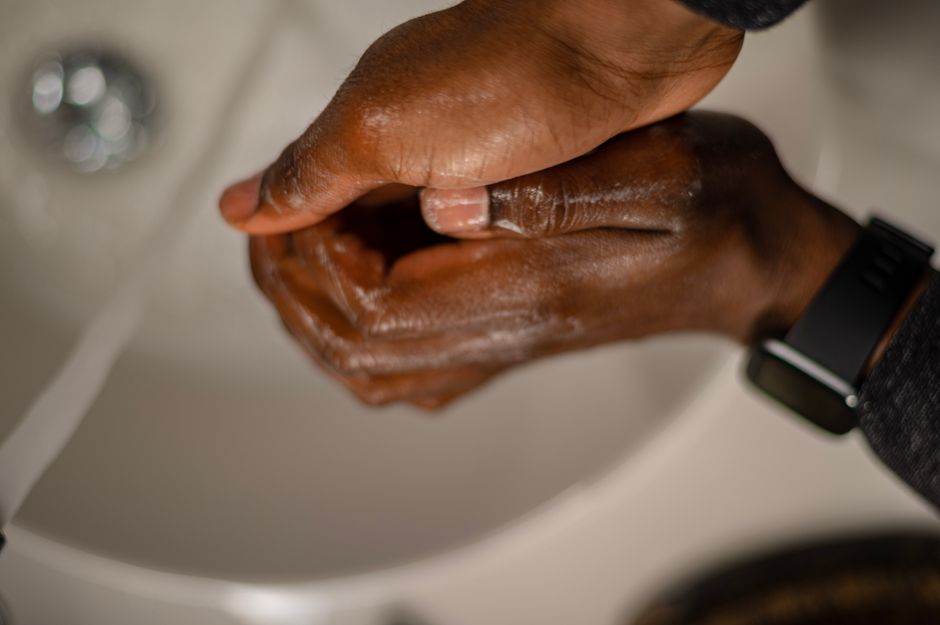
A boil is a painful, pus-filled lump that forms when a hair follicle and the skin around it get infected. The most common cause is Staphylococcus aureus, a bacterium that lives on many people’s skin without causing harm. You can lower your risk by keeping skin clean, not sharing towels or razors, and washing your hands often. If boils keep coming back, that pattern usually means the bacteria are living somewhere on your body or in your home, and a doctor can help you find and treat the source.
What Exactly Is a Boil and How Does It Form?
A boil starts deep in a hair follicle. Bacteria slip past the skin’s surface, often through a tiny cut, scratch, or blocked pore, and the immune system sends white blood cells to fight them. The result is a tender red bump that fills with pus as the battle continues.
The medical term for a single boil is a furuncle. When several boils join together under the skin, it is called a carbuncle, which tends to be larger and cause more severe symptoms. Boils most often appear on the face, neck, armpits, buttocks, and thighs — areas with hair follicles, sweat, and friction.
Anyone can get a boil. Certain conditions raise the odds: diabetes, a weakened immune system, obesity, and skin conditions like eczema that break the skin barrier. People who live in close quarters, such as dormitories or military barracks, also tend to see more of them because the bacteria spread easily from person to person.
How To Prevent Boils And Stop Them Recurring
Prevention comes down to two goals: keep the bacteria off your skin, and stop them from spreading to others or back to you.
Good hygiene is the foundation. Wash your hands with soap and water regularly, especially after touching a boil or changing a bandage. Shower daily and use a mild soap. Keep any cuts or scrapes clean and covered until they heal.
Do not share personal items. Towels, washcloths, razors, sheets, and clothing can all carry Staph bacteria. Give each family member their own towel and wash them in hot water. Clean shared surfaces like gym equipment before you use them.
If you have a boil, keep it covered with a clean, dry bandage. Wash your hands after any contact with it. Do not squeeze, pop, or cut it open yourself — this pushes bacteria deeper and can spread the infection to nearby skin or into your bloodstream.
For people who get boils again and again, doctors sometimes recommend steps beyond basic hygiene. These can include using an antibacterial wash or ointment in the nostrils, where Staph often lives, and treating other household members who carry the bacteria. This approach is called decolonization, and it is best done with a doctor’s guidance because the specific products and schedule matter.
Why Do Boils Keep Coming Back?
Recurring boils almost always mean the bacteria have found a lasting home. The most common reservoir is the inside of the nose. Staph aureus lives there in a large share of healthy people without causing any symptoms. From the nose, it can reach the skin through your fingers and cause a new boil.
Other common reservoirs include the armpits, groin, and between the buttocks. The bacteria can also survive on objects — towels, sheets, razors, and clothing — and reinfect you after a boil heals.
Some people have a harder time clearing the bacteria because of an underlying condition. Diabetes that is not well controlled, a weakened immune system, or certain skin diseases can all make recurrence more likely. If boils keep returning, it is worth checking whether one of these is playing a role.
There is also a strain of Staph called MRSA that resists many common antibiotics. MRSA does not cause boils that look different from other boils, but it changes which antibiotics will work. This is one reason a doctor may take a sample of the pus for testing when infections recur.





When Should You See a Doctor About a Boil?
Many small boils drain and heal on their own within a week or two. Others need medical care. See a doctor if:
- The boil is larger than about 2 inches across, or it keeps growing
- You have a fever, chills, or feel generally unwell
- The skin around the boil is red, hot, and spreading
- The boil is on your face, spine, or in your groin
- You have diabetes, a weakened immune system, or a heart valve condition
- The boil has not improved after several days, or new boils keep appearing
A doctor may drain the boil — a minor procedure that is often the main treatment — and may prescribe antibiotics. Drainage alone resolves many boils, and antibiotics are not always needed for a single small one. When infections recur, testing can identify which antibiotic will work.
Do not try to drain a boil at home. The procedure requires sterile tools and technique, and doing it yourself risks pushing the infection deeper.
What Raises Your Risk of Getting Boils?
Several factors make boils more likely. Some you can change, and some you cannot.
- Diabetes — high blood sugar weakens the body’s ability to fight infection
- Weakened immune system — from illness or certain medications
- Obesity — extra skin folds trap moisture and create friction
- Skin conditions — eczema and similar problems break the skin barrier
- Close living quarters — dorms, barracks, and shelters spread bacteria easily
- Poor hygiene or shared personal items — both raise exposure
- Frequent shaving or friction — nicks and irritation open the door for bacteria
If you have one of these risk factors, being consistent with prevention matters more, not less.
Does Diet or Lifestyle Affect Boils?
There is no specific diet proven to prevent boils. The evidence does not support claims that cutting out certain foods stops them. What does help is managing conditions that raise your risk.
For people with diabetes, keeping blood sugar in a healthy range is one of the most useful steps. High blood sugar impairs the immune response, so better control supports your body’s ability to fight infection. This is well established in clinical care.
General healthy habits — enough sleep, regular activity, not smoking — support immune function overall. They are not a targeted boil treatment, but they help your body handle infections in general.
No supplement or herbal product has been shown in reliable studies to prevent boils. Be cautious of products marketed for this purpose.
Can You Stop Boils From Spreading to Family Members?
Yes. Boils are contagious, and the bacteria spread through skin contact and shared items. A few habits make a real difference.
Keep the boil covered with a clean bandage. Wash your hands after any contact with it or with used bandages. Do not share towels, razors, or clothing. Wash bedding and towels in hot water. Clean shared surfaces in bathrooms and kitchens.
If someone in your household has an active boil, they should avoid close contact sports and shared gym equipment until it heals. This lowers the chance of passing the bacteria to others.
When boils recur in more than one family member, a doctor may recommend treating everyone at once. This is because untreated carriers can reinfect the person who was treated.
Frequently Asked Questions
How do you stop boils from coming back?
The most effective approach is to reduce the bacteria living on your skin and in your nose, often with a doctor’s help. This can include antibacterial washes, nose ointment, and treating household members who carry the bacteria.
Are boils contagious?
Yes. The bacteria that cause boils spread through skin contact and shared items like towels and razors. Keeping the boil covered and washing your hands often lowers the risk of passing it on.
What causes recurring boils?
Recurring boils usually mean Staph bacteria have settled somewhere on your body, most often inside the nose. Underlying conditions like diabetes or a weakened immune system can also make them keep returning.
Should I pop a boil?
No. Popping or squeezing a boil can push bacteria deeper and spread the infection. A doctor can drain it safely if needed.
