
Pressure sores on the buttocks form when skin and tissue are squeezed between bone and a surface for too long. The sacrum and tailbone area is one of the most common places they develop. The core of prevention is simple to describe: change position often, keep skin clean and dry, use the right support surface, and check the skin every day. What is harder is doing all of that consistently, especially when you are caring for someone at home.
Bed sores are also called pressure ulcers or pressure injuries. They can start as a red patch that does not fade and progress to an open wound that reaches muscle or bone. Most early-stage sores are preventable with consistent repositioning and skin care. Once a sore is open or infected, it needs medical care.
What Causes Bed Sores On The Buttocks?
Pressure is the main cause. When you sit or lie in one position, the weight of your body presses skin and soft tissue against the bone underneath. In the buttocks, the pressure points are the sacrum (the base of the spine) and the tailbone.
That pressure squeezes tiny blood vessels. Blood flow drops. Tissue that goes without oxygen and nutrients starts to break down. This can happen faster than most people expect. Damage can begin within a few hours of unrelieved pressure in someone who is vulnerable.
Three other forces make it worse:
- Shear happens when the body slides while the skin stays put, such as when you drag someone up in bed instead of lifting them. It stretches and tears small vessels.
- Friction is the rubbing of skin against sheets or a chair. It damages the top layer of skin.
- Moisture from sweat, urine, or stool softens skin and makes it break down faster.
Some people are at much higher risk. Limited mobility is the biggest factor. Others include poor nutrition, dehydration, incontinence, reduced sensation (as in spinal cord injury or advanced diabetes), and conditions that reduce blood flow to the skin.
How To Prevent Bed Sores On Buttocks At Home
Repositioning is the single most important thing you can do. The goal is to keep pressure off any one spot long enough for blood flow to return.
For someone who is bedbound, most clinical guidance suggests turning at least every two hours. For someone in a chair or wheelchair, the interval is shorter, often every 15 to 30 minutes for those who can shift their own weight, or hourly repositioning by a caregiver for those who cannot. These intervals are general guidance. A clinician who knows the person’s skin and risk level can give a specific schedule.
How you move someone matters as much as how often:
- Lift, do not drag. Use a draw sheet or a transfer aid to reduce shear and friction.
- Keep the head of the bed as low as is comfortable. A raised head increases sliding force on the sacrum.
- Avoid positioning directly on the tailbone or on a healing sore.
- Use a 30-degree side-lying tilt rather than a full 90-degree turn onto the hip.
Support surfaces help, but they do not replace turning. A foam overlay, a pressure-redistributing mattress, or a specialized cushion can reduce pressure, but no surface removes the need to reposition. For chairs, a proper pressure-relief cushion is more useful than a pillow or folded blanket, which can bunch and create new pressure points.
Skin care is the third pillar. Clean the skin gently after each incontinence episode, using a mild cleanser and lukewarm water. Pat dry, do not rub. Apply a barrier cream or ointment to protect skin from moisture. Check the entire buttocks area at least once a day, looking for redness, warmth, swelling, or breaks in the skin.
What Does An Early Bed Sore Look Like?
The earliest sign is a patch of red skin that does not turn white when you press it. In people with darker skin tones, the color change may be harder to see. Look instead for a patch that feels warmer or cooler, firmer or softer, or that looks different from the surrounding skin. This is a key point that is easy to miss. Early pressure damage does not always look red.
Other early signs include:
- Skin that feels spongy or boggy
- A bluish or purplish tint over a bony area
- A blister or shallow break in the skin
- Pain or tenderness at the site
If you see any of these, take pressure off the area right away and keep it off. If the skin does not improve within a short time, or if it opens, call a clinician. Early-stage pressure injuries can sometimes reverse with pressure relief. Once the skin breaks, the risk of infection rises and medical care is needed.




What Role Does Nutrition And Hydration Play?
Skin needs protein, fluids, vitamins, and minerals to stay strong and to repair itself. Poor nutrition is a well-established risk factor for pressure injuries and slows healing once a sore forms.
Protein matters most for tissue repair. Good sources include eggs, fish, poultry, beans, and dairy. Fluids keep skin hydrated and support circulation. Adequate calories matter too, because the body cannot repair tissue if it is running on too little fuel.
If the person has a poor appetite, trouble swallowing, or has lost weight without trying, that is worth raising with a clinician or dietitian. They can assess whether the diet is meeting the person’s needs. Do not start high-dose supplements on your own. Some vitamins and minerals can be harmful in large amounts, and there is no strong evidence that megadoses prevent sores in people who are already well nourished.
What Else Reduces Risk?
Several other steps support the basics:
- Stop smoking if applicable. Smoking narrows blood vessels and reduces blood flow to the skin.
- Manage diabetes and other conditions that affect circulation.
- Treat incontinence promptly and keep skin dry.
- Encourage any movement the person can do, even small shifts in position.
- Keep bedding smooth and free of wrinkles, crumbs, and hard objects.
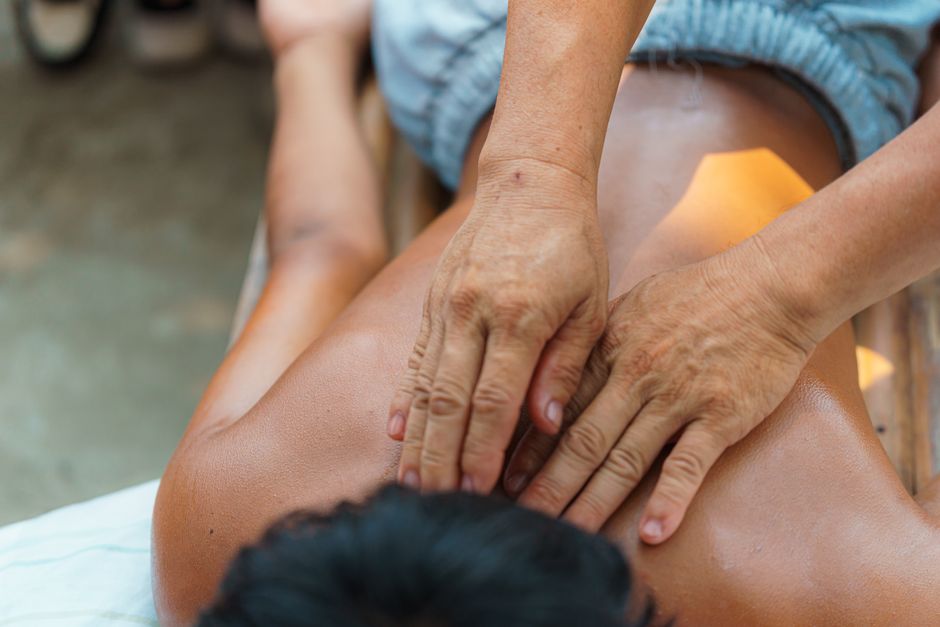
- Avoid massage directly over bony areas. It can damage fragile tissue.
- Avoid harsh soaps, alcohol-based products, and hot water on the skin.
One common mistake is relying on a special mattress or cushion alone. These tools reduce pressure but do not eliminate it. Turning and skin checks remain the foundation.
When Should You Get Medical Help?
Call a clinician if you see an open sore, a blister, or a wound that is not healing. Also seek care if the skin around a sore is red, warm, swollen, or draining pus, or if the person has a fever. These can be signs of infection, which can spread.
Some pressure injuries look minor on the surface but run deep. A small dark wound can be the tip of damage that extends to deeper tissue. A clinician can assess the stage and decide on treatment. Do not try to treat a deep or infected sore at home.
Anyone who is bedbound or uses a wheelchair long-term should have their skin checked by a clinician regularly, even if nothing looks wrong. Early detection is far easier to treat than a wound that has had time to progress.
How Do You Check Skin The Right Way?
Make skin checks a daily habit, ideally at the same time each day. Good lighting helps. So does a small mirror for areas that are hard to see.
Look at the sacrum, tailbone, and both buttocks. Also check the heels, hips, elbows, shoulder blades, back of the head, and behind the knees. These are all common pressure points. Pay attention to any area that rests against a surface.
Note anything that looks or feels different from the day before. A photo taken with a phone can help you track changes over time. If something is changing, act early rather than waiting to see if it gets better on its own.
Frequently Asked Questions
How often should you turn someone to prevent bed sores?
Most clinical guidance suggests turning a bedbound person at least every two hours, and repositioning someone in a chair more often. The right schedule depends on the person’s risk level, so ask a clinician for a specific plan.
Can bed sores on the buttocks heal at home?
Very early pressure injuries sometimes reverse with pressure relief and good skin care. Once the skin is open, infected, or deep, it needs medical treatment and should not be managed at home.
What is the first sign of a bed sore?
The earliest sign is usually a patch of skin that stays red when pressed, or that feels warmer, cooler, firmer, or softer than nearby skin. In darker skin tones, color changes can be subtle, so compare the area to the surrounding skin.
Do special mattresses prevent bed sores on their own?
No. Support surfaces reduce pressure but do not replace regular repositioning and daily skin checks. They work best as part of a full prevention routine.
