
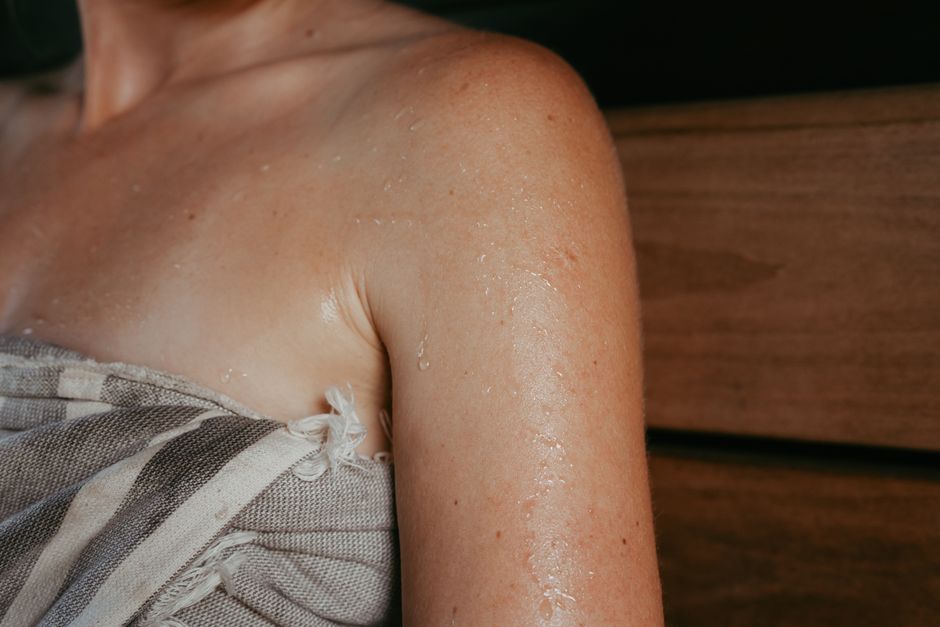
Working out is good for your skin in the long run. It boosts blood flow and helps manage stress. But the sweat itself can cause breakouts if it sits on your skin too long. The key is not to avoid sweating—it is to manage the sweat and the skin environment around it. You can prevent most sweat-related acne by cleansing your skin before you exercise, wiping sweat away during your workout, and showering shortly after you finish.
Why Does Sweat Cause Acne?
Sweat itself is not the direct cause of acne. Acne forms when hair follicles get clogged with oil and dead skin cells. Sweat becomes a problem when it mixes with these elements on the surface of your skin.
When sweat evaporates, it leaves behind salts, oils, and other debris. This residue can trap bacteria and dead skin against your pores. The friction from workout clothes and headbands pushes this mixture deeper into the follicle. That combination—moisture, friction, and trapped debris—is what triggers the breakout.
There is also a specific condition called acne mechanica. This occurs when heat, pressure, and friction combine to irritate the skin. Athletes who wear helmets, shoulder pads, or tight synthetic clothing often develop this type of acne. It is not the same as hormonal acne, but it looks similar and requires the same basic management: keep the skin clean and reduce friction.
How To Prevent Acne From Sweating During Workouts?
The most effective strategy is to control the skin environment before, during, and after exercise. You do not need expensive products. You need a consistent routine.
Start by washing your face before you work out. This removes the oil and dead skin that sweat will otherwise mix with. Use a gentle cleanser, not a harsh scrub. If you wear makeup or sunscreen, remove it before exercising. A clean base makes it much harder for sweat to cause a clogged pore.
During your workout, carry a clean towel. Gently pat the sweat off your face and neck rather than wiping it. Wiping drags debris across the skin. Patting lifts the sweat away without spreading the residue. Avoid touching your face with your hands during exercise, especially if you are touching equipment.
After your workout, shower as soon as possible. The general guidance is to cleanse within 15 to 30 minutes of finishing. This is not a strict medical rule, but the principle is sound. The longer sweat and debris sit on your skin, the more time they have to clog pores. If you cannot shower immediately, at least rinse your face with water and pat it dry.
What Should You Wash Your Face With After Exercise?
Use a gentle, non-comedogenic cleanser. Non-comedogenic means the product is formulated not to clog pores. This label is common on cleansers, moisturizers, and sunscreens.
Avoid harsh soaps that strip the skin completely dry. When the skin becomes too dry, it produces more oil to compensate. This extra oil can then mix with sweat and cause more breakouts. Look for a cleanser with salicylic acid or benzoyl peroxide if you are prone to acne. These ingredients help clear pores and reduce bacteria. But do not use them every single time if your skin feels tight or irritated. Alternate with a plain gentle cleanser on days when your skin feels sensitive.
Some research suggests that using a cleanser with a pH around 5.5 is ideal. This matches the natural pH of skin. Soap with a higher pH can disrupt the skin barrier, leading to irritation and more breakouts. You do not need to measure the pH of every product. Just look for cleansers labeled “pH balanced” or “gentle.”




Does Washing Before a Workout Actually Help?
Yes. This is one of the most overlooked steps. Many people only wash after exercise, but washing before is equally important.
Think about what is on your skin when you start sweating. If you have been wearing sunscreen, moisturizer, or makeup, those products mix with your sweat. The mixture becomes more likely to clog pores than sweat alone. Washing before exercise removes that initial layer of oil and product. It gives your sweat a clean surface to evaporate from.
This is especially important if you workout in the morning. Your skin accumulates oil and dead skin cells overnight. A quick cleanse before your workout removes that buildup. If you do not wash before, the first sweat of the day mixes with everything that collected overnight.
Should You Change How You Dress for Workouts?
Yes, clothing matters more than most people realize. Tight, non-breathable fabrics trap heat and moisture against the skin. This creates the exact environment where acne thrives.
Choose moisture-wicking fabrics. These are designed to pull sweat away from the skin and let it evaporate. Cotton is comfortable but it absorbs sweat and holds it against your body. This is fine for short, low-intensity workouts. For longer or intense sessions, moisture-wicking synthetic fabrics are better.
Pay attention to areas where clothing rubs. The back, chest, shoulders, and forehead are common spots for sweat-related acne. If you wear a hat or headband, wash them regularly. These items absorb sweat and bacteria. Wearing a dirty headband is like pressing yesterday’s sweat and oil into your forehead.
Change out of your workout clothes immediately after exercising. Do not sit in sweaty clothes while you cool down or run errands. Wearing wet clothes for extended periods increases friction and keeps the skin damp. This is a direct setup for body acne.
What If You Still Get Breakouts After Working Out?
If you are doing everything right and still breaking out, look at the products you use after exercise. Post-workout skincare can be just as important as the cleansing routine.
After you shower, apply a light, non-comedogenic moisturizer. This may seem counterintuitive if you have oily skin. But skipping moisturizer can make your skin produce more oil. The skin needs hydration, and a light moisturizer helps maintain the barrier without clogging pores.
If you use acne treatments, apply them after cleansing on dry skin. Do not apply them immediately after a hot shower while your pores are open and your skin is damp. This can cause irritation. Wait a few minutes, then apply the treatment.
Consider whether your post-workout protein shake or supplements are a factor. Some studies suggest that whey protein and certain supplements may contribute to acne in some people. The evidence is not definitive. But if you notice breakouts and you consume whey protein regularly, it may be worth discussing with a dermatologist.
When Should You See a Dermatologist?
If your breakouts are painful, deep, or leaving scars, seek professional help. Over-the-counter products have limits. A dermatologist can prescribe stronger treatments that target the specific type of acne you have.
Also see a dermatologist if your acne is widespread or appears suddenly after starting a new workout routine. This could indicate a reaction to a product, a supplement, or an underlying hormonal issue. A professional can help you identify the cause rather than guessing.
Do not wait months if your acne is affecting your confidence or causing discomfort. Acne is treatable. The right treatment plan depends on your skin type, the type of acne, and your lifestyle. A dermatologist can tailor a routine that works with your exercise habits, not against them.
Frequently Asked Questions
Is it better to wash your face before or after a workout?
Both. Washing before removes oil and products that can mix with sweat, and washing after removes the sweat and debris before they clog pores.
Can I use a face wipe instead of washing after a workout?
Face wipes are better than doing nothing, but they are not as effective as washing with water and cleanser. Use a wipe only when a sink is not available.
Does drinking more water prevent sweat acne?
No direct evidence shows that drinking water prevents acne. Staying hydrated is healthy overall, but it does not change how sweat interacts with your pores.
Is it okay to apply moisturizer immediately after a workout?
Wait until after you have showered and cleansed your skin. Applying moisturizer to sweaty, dirty skin can trap debris and increase the chance of clogged pores.
