
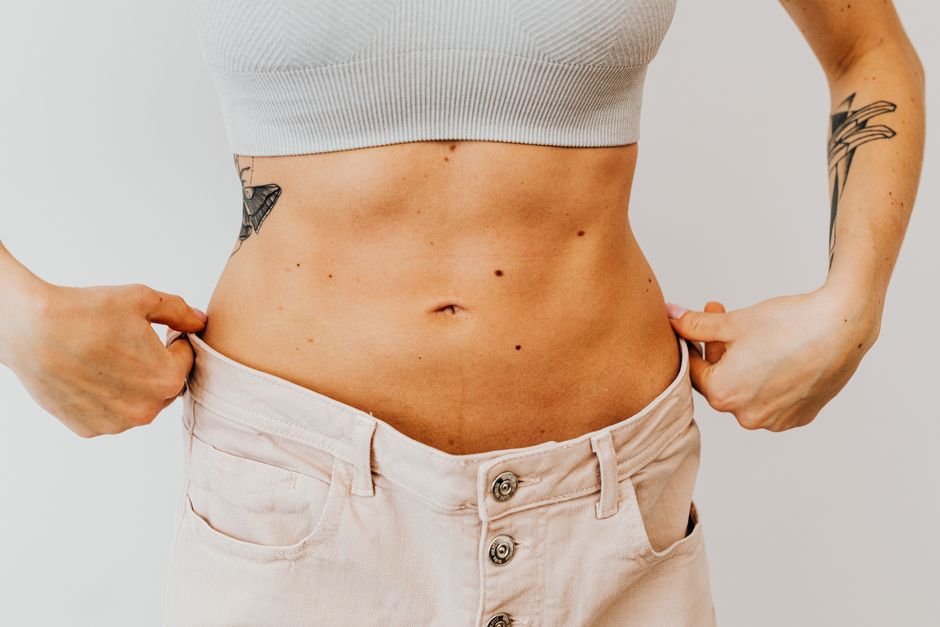
Losing weight is a major win for your health, but many people worry about what happens to their skin as the pounds come off. Loose skin happens when weight loss outpaces your skin’s ability to shrink back down. You cannot completely control how your skin responds, but you can take natural steps to support its elasticity and improve its appearance during the process.
Why Does Loose Skin Happen During Weight Loss?
Your skin is your body’s largest organ. It stretches to accommodate growth, pregnancy, and weight gain. When you gain weight gradually, your skin has time to produce new collagen and elastin fibers that support the expanded area.
When you lose weight quickly, those stretched fibers do not always shrink back at the same speed. The result is skin that appears loose or saggy. The severity depends on several factors including your age, how long you carried the weight, how much weight you lost, and your genetics.
Younger skin tends to bounce back better because collagen production naturally declines with age. This is a biological process, not a personal failure. Some degree of loose skin is a normal part of significant weight loss.
How To Prevent Loose Skin During Weight Loss Naturally
Prevention starts with how you lose the weight. A slow and steady approach gives your skin time to adapt. Rapid weight loss through extreme dieting or crash diets does not allow collagen fibers to remodel at the same pace.
A safe rate is generally considered to be one to two pounds per week. This pace is more sustainable and gives your skin a realistic chance to keep up with the changes happening beneath it.
Strength training is another key piece. Building muscle underneath the skin fills out the space that fat once occupied. This does not prevent skin from stretching, but it can improve the overall appearance by adding firmness and shape to areas like the arms, legs, and abdomen.
No natural method can guarantee zero loose skin. Anyone who promises otherwise is not being honest. What you can do is reduce the severity and support your skin’s natural repair process.
Which Nutrients Support Skin Elasticity?
Your skin needs specific nutrients to produce collagen and elastin. Collagen is the structural protein that gives skin its firmness. Elastin allows skin to snap back after stretching.
Protein is essential because collagen is made from amino acids. Aim for adequate protein at each meal from sources like lean meat, fish, eggs, beans, and legumes. During weight loss, protein also helps preserve lean muscle mass, which supports your overall shape.
Vitamin C is a required cofactor for collagen synthesis. Your body literally cannot produce collagen without it. Good sources include citrus fruits, strawberries, bell peppers, and broccoli.
Zinc and copper also play roles in skin repair and collagen formation. These are found in nuts, seeds, shellfish, and whole grains. A varied diet typically covers these needs.
Some research has examined collagen supplements for skin elasticity. Results are mixed but somewhat promising. One thing is clear: collagen supplements are not a magic fix. They work best alongside a diet that provides all the other nutrients your skin needs.



Does Hydration Really Make a Difference?
Dehydrated skin is less elastic. When your skin lacks water, it appears duller and less supple. Proper hydration helps maintain skin turgor, which is the skin’s ability to change shape and return to normal.
Water alone will not prevent loose skin, but chronic dehydration can make the problem worse. There is no single water intake number that works for everyone. A practical guide is to drink when thirsty and increase intake during exercise or hot weather.
Hydration also supports overall health during weight loss. It helps with digestion, energy levels, and can reduce feelings of hunger. These indirect effects support your ability to maintain a steady, healthy weight loss pace.
What Role Does Exercise Play in Skin Firmness?
Exercise affects loose skin in two ways. First, it preserves and builds muscle mass. Second, it improves circulation, which delivers oxygen and nutrients to skin cells.
Strength training is the most important type of exercise for this purpose. Focus on compound movements that work multiple muscle groups. Squats, lunges, push-ups, and rows are excellent choices. These exercises build the muscle that helps fill out loose areas.
Cardiovascular exercise supports weight loss and improves blood flow. However, cardio alone does not build the muscle mass needed to improve skin appearance. A balanced program that includes both is ideal.
There is no exercise that specifically tightens skin. Skin is not muscle. Exercise improves what lies beneath the skin, which can make loose skin less noticeable.
Does the Rate of Weight Loss Matter?
Yes. The speed of your weight loss directly affects how much loose skin you may develop. Faster weight loss gives your skin less time to adjust.
When you lose weight very quickly, you also lose more lean muscle mass. This is well documented in research. Losing muscle along with fat leaves less tissue underneath the skin, which can make sagging more visible.
Gradual weight loss of one to two pounds per week is the most evidence-based approach. This rate is associated with better preservation of muscle mass and gives skin time to remodel its collagen structure.
If you have a significant amount of weight to lose, expect some loose skin regardless of your pace. The skin has physical limits. No rate of weight loss can completely prevent loose skin when the stretch has been extensive.
Can You Tighten Loose Skin After Weight Loss?
Once loose skin develops, it can improve over time. The skin continues to remodel for up to a year or more after weight loss stabilizes. Patience matters.
Maintaining your new weight is critical. Repeated cycles of weight gain and loss can further damage collagen and elastin fibers. Stability gives your skin the best chance to recover.
For mild to moderate looseness, the natural strategies discussed here may be enough. Building muscle, eating well, and staying hydrated can all contribute to visible improvement over many months.
For severe loose skin, natural methods may not achieve the results you want. This is where medical procedures like skin removal surgery come into discussion. That is a personal decision to make with a qualified surgeon. It is not a failure of natural methods when skin does not fully retract after major weight loss.
Are There Any Proven Supplements for Skin Tightening?
The supplement market is full of products claiming to tighten skin. The evidence does not support most of these claims. No supplement has been proven to prevent or reverse loose skin from weight loss.
Collagen peptides are the most studied supplement in this area. Some research suggests they may improve skin elasticity and hydration. However, most studies are small and funded by supplement manufacturers. The results are not definitive.
If you choose to take collagen supplements, view them as a minor addition to a healthy diet rather than a solution. Your body needs complete protein from food, vitamin C, and other nutrients to build collagen effectively.
Be cautious with any supplement that promises dramatic skin tightening. No clinical evidence currently confirms that any pill or powder can significantly prevent loose skin during weight loss.
What About Weight Loss in Specific Areas?
Spot reduction is a myth. You cannot choose where your body loses fat. Your genetics determine the order in which fat is lost from different areas.
Many people worry about loose skin on the abdomen, arms, and thighs. These are common areas for fat storage, especially in women. When fat leaves these areas, the skin may appear loose before it gradually tightens.
Abdominal skin is particularly challenging because it stretches significantly during weight gain. The abdomen also contains deeper fat layers that can take longer to remodel. Patience is especially important here.
Strength training can target the muscles beneath these areas. Stronger abdominal muscles, arm muscles, and thigh muscles improve the foundation under the skin. This does not tighten skin directly, but it improves overall appearance.
Frequently Asked Questions
How long does it take for loose skin to tighten after weight loss?
Mild to moderate loose skin can continue to improve for up to 12 to 24 months after you reach a stable weight. The timeline depends on your age, genetics, and how much weight you lost.
Does fasting cause more loose skin during weight loss?
Intermittent fasting itself does not directly cause loose skin, but any rapid weight loss method increases the risk. The key factor is the speed of weight loss, not the specific diet pattern used.
Can building muscle really prevent loose skin?
Building muscle fills out the space under the skin and improves how loose skin looks, but it cannot prevent skin from stretching in the first place. Muscle gain is a practical strategy for appearance, not a biological prevention method.
Are skin-tightening creams effective for loose skin?
No clinical evidence confirms that topical creams meaningfully tighten loose skin from weight loss. Some creams temporarily improve skin hydration, which can make skin look better, but the effect is cosmetic and short-lived.
