
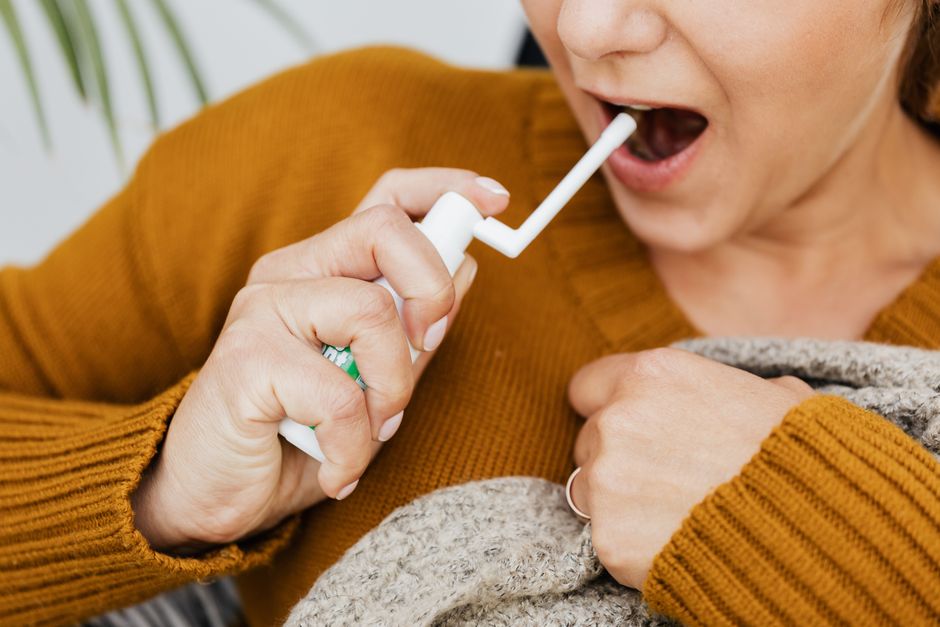
A sore throat is one of the most common reasons people see a doctor, and most cases trace back to viral infections that spread through the air or by hand. You cannot block every germ, but a few daily habits genuinely lower your odds: wash your hands often, avoid touching your face, keep shared surfaces clean, and stay hydrated. These steps reduce how often you pick up the viruses that cause most sore throats.
What Actually Causes A Sore Throat?
Most sore throats come from viruses. The same ones behind the common cold and flu — rhinovirus, adenovirus, influenza, and coronaviruses — inflame the back of the throat. This is why a sore throat so often shows up alongside a runny nose, cough, or fever.
Bacterial infections are less common. Strep throat, caused by group A Streptococcus, accounts for a minority of adult sore throat cases. It is more frequent in children. A doctor can tell the difference with a rapid test or throat culture, because the two require different treatment.
Other causes have nothing to do with infection. Dry indoor air, breathing through your mouth while you sleep, acid reflux, allergies, and smoke all irritate the throat directly. In these cases, no germ is involved and no antibiotic will help.
Understanding the cause matters because prevention looks different for each. You cannot catch reflux from a coworker. But you can catch the virus that causes most sore throats, and that is where daily habits make a difference.
How To Prevent A Sore Throat Proven Daily Habits
Hand hygiene is the single most effective habit. Respiratory viruses commonly spread when you touch a contaminated surface and then touch your eyes, nose, or mouth. Washing with soap and water for at least 20 seconds removes many of these germs. Hand sanitizer with at least 60 percent alcohol works when soap is not available.
Avoiding face-touching is harder than it sounds, but it matters. People touch their faces many times an hour, often without noticing. Each touch is a chance to move a virus from your hand to a mucous membrane where it can take hold.
Cleaning shared surfaces helps too. Viruses can survive on hard surfaces like doorknobs, phones, and keyboards for hours to days, depending on the virus. Regular cleaning during cold and flu season reduces the chance that someone in your home or office leaves germs behind.
Staying hydrated keeps the mucous membranes in your throat and nose moist. Moist tissue does a better job trapping and clearing particles before they cause infection. There is no specific amount that guarantees protection, but keeping urine pale and drinking regularly through the day is a reasonable guide.
These habits work best together. No single one is perfect, and none is a guarantee. But stacked over a season, they lower how often you get sick.
Does Handwashing Really Make A Difference?
Yes, and this is one of the better-supported findings in public health. Handwashing with soap reduces the spread of respiratory and diarrheal infections in homes, schools, and workplaces. Health agencies including the CDC and WHO treat it as a core prevention measure.
The mechanism is straightforward. When an infected person coughs or sneezes, droplets land on surfaces and hands. When you touch those surfaces and then your face, the virus gets a route into your body. Washing interrupts that route before it completes.
Timing matters. Wash before eating, after using the bathroom, after being around someone who is sick, and after coming home from public places. These are the moments when your hands are most likely to carry something you do not want near your face.





Do Vitamin C, Zinc, Or Supplements Prevent Sore Throats?
The evidence here is weak and often oversold. Vitamin C has been studied for decades for preventing the common cold, and the results do not support routine use for most people. Some research suggests it may slightly shorten a cold in people under heavy physical stress, such as marathon runners or soldiers in extreme conditions. For an average adult, the benefit is not established.
Zinc is more debated. Some studies suggest zinc lozenges started within the first day of symptoms may shorten a cold, but results vary widely across trials, and zinc can cause nausea and a metallic taste. It is not a proven prevention tool, and no strong evidence shows it stops a sore throat from starting.
Echinacea, garlic, and various herbal products are marketed for immune support. The clinical evidence for preventing sore throats is limited, and results across studies are inconsistent. No large human trial has confirmed that these products prevent infection.
If you take a supplement, understand what it can and cannot do. None of these replaces handwashing, and none is a substitute for medical care when an infection is serious.
Can Lifestyle Habits Lower Your Risk?
Sleep is underrated for immune function. Research consistently links short sleep and poor sleep quality to a higher risk of catching respiratory infections. Adults who regularly get enough sleep tend to get sick less often than those who do not. Most adults need seven to nine hours, though individual needs vary.
Managing stress may help too. Chronic stress is associated with changes in immune function, and some studies link higher stress to more frequent colds. The relationship is real but hard to measure precisely, so treat it as one factor among several rather than a switch you can flip.
Not smoking, or quitting if you do, protects the throat directly. Smoke irritates the lining of the throat and airways, making them more vulnerable. Secondhand smoke causes similar irritation, so avoiding smoky environments helps as well.
Regular physical activity is associated with better overall health and may support immune function. The evidence for a direct effect on sore throat prevention is not strong, but the general health benefits are well established.
What About Dry Air, Allergies, And Reflux?
Not every sore throat is infectious, and prevention differs for these causes. Dry air, especially in winter or in heated rooms, dries out the throat and makes it feel raw. Using a humidifier and drinking water through the day can reduce this kind of irritation. Keep humidifiers clean, since dirty ones can grow mold and bacteria.
Allergies trigger postnasal drip, which drips down the back of the throat and causes irritation. Managing allergies with the guidance of a clinician can reduce throat symptoms. This is not about avoiding a germ; it is about controlling an allergic response.
Acid reflux sends stomach acid up into the throat, especially at night. This causes a burning or scratchy feeling that can mimic infection. Avoiding large meals close to bedtime, and limiting trigger foods, may help. If reflux symptoms are frequent, a clinician can assess whether treatment is needed.
Recognizing the cause changes what you do. Someone with reflux will not benefit from more handwashing. Someone with a viral infection will not benefit from avoiding tomato sauce.
When Should A Sore Throat Prompt A Doctor Visit?
Most sore throats improve on their own within a week. Seek medical care if symptoms are severe, last longer than a week, or come with a high fever, difficulty swallowing, difficulty breathing, drooling, or a muffled voice. These can signal a more serious problem.
A sore throat with a rash, or one that appears with significantly swollen tonsils or white patches, may point to strep throat. Strep requires antibiotics, and only a test can confirm it. Do not assume a sore throat needs antibiotics; most do not, and unnecessary use contributes to antibiotic resistance.
People with weakened immune systems, young children, and older adults may need to seek care sooner. When in doubt, a call to a clinician is reasonable. It is better to check than to wait on something that is not improving.
Do Masks And Distance Help During Sick Season?
During outbreaks, masks and physical distance reduce the spread of respiratory viruses. This was seen clearly during the COVID-19 pandemic, when these measures also lowered rates of flu and common cold viruses. The effect is strongest when sick people wear masks and when everyone avoids crowded indoor spaces during peak season.
These measures are not needed every day for everyone. They are most useful when you are around someone who is sick, when you are sick yourself, or during a local outbreak. Used selectively, they add another layer to the daily habits that already work.
Putting Daily Habits Together
No single habit blocks every sore throat. The goal is to stack several small, reliable actions that reduce your exposure and support your body’s defenses. Hand hygiene, avoiding face-touching, cleaning shared surfaces, staying hydrated, sleeping well, and managing dry air or reflux each address a different part of the problem.
None of this is dramatic, and none of it is a guarantee. But these are the habits with the best evidence behind them, and they cost little to keep up. Skip the products that promise more than the science supports, and focus on the basics that hold up.
Frequently Asked Questions
Can you actually prevent a sore throat?
You can lower your risk, but you cannot prevent every sore throat. Handwashing, avoiding face-touching, and cleaning shared surfaces reduce how often you pick up the viruses that cause most cases.
Does gargling salt water prevent sore throats?
There is no strong evidence that gargling salt water prevents a sore throat from starting. Some people find it soothes an existing sore throat, but it is not a proven prevention method.
How long is a sore throat contagious?
If a virus causes it, you are usually most contagious in the first few days of symptoms. You may still pass the virus on for several days after, so keep up hand hygiene while you are sick.
Is vitamin C worth taking to avoid sore throats?
For most adults, the evidence does not support routine vitamin C for preventing colds or sore throats. Some research suggests a small benefit in people under extreme physical stress, but not for the general population.
