
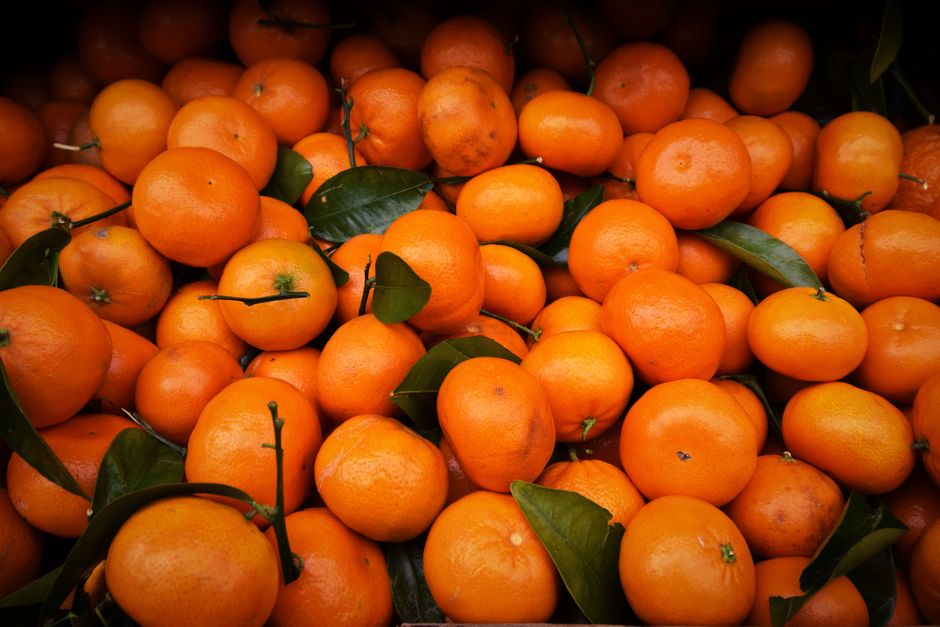
Mandarin oranges are at their best for only a few weeks each season. If you buy a box and cannot eat them fast enough, you have three solid options: freeze them, can them, or dry them. Freezing is the easiest and preserves the most flavor. Canning works well but changes the texture. Drying takes the longest but gives you a shelf-stable snack that needs no refrigeration. All three methods work, and the best choice depends on how you plan to use them later.
What Is the Best Way to Preserve Mandarin Oranges?
Freezing is the best method for most people. It takes about 15 minutes of hands-on work, requires no special equipment beyond freezer bags, and the oranges keep for up to 12 months. Frozen mandarins lose some crispness, so they are better for smoothies, baking, and sauces than for eating fresh out of hand.
Canning is a close second if you have the equipment and prefer shelf-stable food. Canned mandarins hold their shape well but become softer and sweeter because of the syrup or juice used in the process. Drying is the least convenient for whole segments but produces a chewy, concentrated snack that lasts for months at room temperature.
Whichever method you choose, start with fruit that is firm, heavy for its size, and free of soft spots. Bruised or moldy fruit will ruin an entire batch, no matter which preservation method you use.
How to Freeze Mandarin Oranges Step by Step
Freezing mandarins is straightforward. The key is to separate the segments first and freeze them individually so they do not clump into one solid block.
- Peel and segment. Remove the peel and white pith. Separate the segments and remove any seeds.
- Flash freeze. Lay the segments in a single layer on a baking sheet lined with parchment paper. Freeze for 2 to 3 hours until firm.
- Package. Transfer the frozen segments into freezer bags or airtight containers. Squeeze out as much air as possible before sealing.
- Label and store. Write the date on the bag. Use within 12 months for best quality.
You can freeze mandarins whole, but they take much longer to thaw and the texture suffers. Peeled and segmented fruit thaws in about 30 minutes in the refrigerator or can go straight into a smoothie frozen.
One thing many people do not realize: mandarin segments have a thin membrane that holds up well to freezing. Unlike bananas or strawberries, which turn mushy, mandarin segments keep a recognizable shape after thawing. They just lose their firm bite.
How to Can Mandarin Oranges Safely
Canning mandarins requires a pressure canner. Mandarins are a low-acid fruit, and water bath canning is not safe for them. The USDA recommends pressure canning for low-acid foods to prevent the risk of botulism.
The basic process involves packing peeled segments into jars, covering them with a light syrup or juice, and processing them in a pressure canner at the correct pressure for your altitude. The exact processing time depends on jar size and your altitude, so always follow a current, tested recipe from a reliable source such as the USDA Complete Guide to Home Canning.
Do not experiment with canning times. Under-processing creates a real food safety risk. If you do not own a pressure canner and are not willing to buy one, choose freezing instead. It is safer and simpler.
Canned mandarins work well in fruit salads, on top of yogurt, or in baked goods. They are noticeably softer than fresh segments, which some people prefer and others do not. The syrup adds sweetness, so adjust sugar in recipes accordingly.





How to Dry Mandarin Oranges for Snacks
Drying mandarins gives you two very different products: dried segments or dried peel. Both are worth making.
Dried segments take 8 to 12 hours in a dehydrator. Peel the fruit, separate the segments, and lay them on dehydrator trays. Set the temperature to 135°F (57°C) and dry until the segments are leathery and no longer sticky. They will be chewy and intensely sweet, like candy. Store them in an airtight jar at room temperature for up to 6 months.
Dried peel takes only a few hours. Use a vegetable peeler to remove strips of peel without the white pith underneath, which is bitter. Dry the strips at 135°F (57°C) for 2 to 4 hours until brittle. Crush or grind them for use in tea, baked goods, or spice rubs. Dried mandarin peel keeps for up to a year in a sealed container.
An oven set to its lowest temperature, usually around 170°F (77°C), can work in place of a dehydrator, but the drying time is less predictable and you need to keep the oven door slightly ajar to let moisture escape. A dehydrator with a thermostat is more reliable.
Which Preservation Method Changes the Flavor Most?
Freezing changes the flavor least. Frozen and thawed mandarins taste very close to fresh, just softer. Canning adds sweetness if you use syrup and creates a cooked flavor that some people describe as similar to canned peaches or pears. Drying concentrates the natural sugars, so dried segments taste much sweeter and more intense than fresh ones.
If you plan to use the mandarins in recipes where they will be cooked anyway, such as marmalade, cakes, or sauces, the method matters less. Frozen fruit works perfectly in cooked applications. If you want a ready-to-eat snack, dried segments are the best choice. If you want to preserve the fresh flavor for smoothies or cold desserts, freeze them.
How Long Do Preserved Mandarin Oranges Last?
Storage life depends entirely on the method you choose.
- Frozen segments: 10 to 12 months at 0°F (-18°C) or colder.
- Canned mandarins: 12 to 18 months in a cool, dark pantry. Check the seal before opening.
- Dried segments: 6 months at room temperature in an airtight container.
- Dried peel: up to 12 months in an airtight container.
These are quality timelines, not safety cutoffs. Frozen food stays safe indefinitely, but flavor and texture decline after about a year. Canned food can last longer than 18 months, but quality fades. Dried fruit can develop off-flavors or mold if moisture gets in, so check it periodically.
Label everything with the date. It is easy to forget when you put a bag in the freezer, and six months later you will not remember whether it is from this season or last.
Can You Preserve Mandarin Oranges Without Sugar?
Yes. Freezing requires no added sugar at all. Just peel, segment, and freeze. Drying also needs no sugar. The fruit is naturally sweet enough.
Canning is the only method where sugar is commonly added, but it is not required for safety. You can pack mandarins in water or unsweetened apple juice instead of syrup. The fruit will be less sweet and slightly firmer. Sugar in canning is primarily for flavor and texture, not for preservation in a pressure canner. The heat processing is what makes the food safe.
If you are watching sugar intake, freezing is the clear winner. It preserves the fruit with zero additives and no loss of natural sweetness.
Common Mistakes to Avoid When Preserving Mandarins
The most common mistake is skipping the flash-freeze step. If you put loose segments directly into a bag, they freeze together into a clump. You will have to thaw the whole bag to get out a handful. Flash freezing prevents this.
The second most common mistake is using overripe fruit. Mandarins that are already soft or starting to ferment will not improve with preservation. They will taste worse and may spoil faster. Use fruit at peak ripeness, not fruit that is past its prime.
The third mistake is under-drying. Dried segments that still feel sticky or moist in the center will develop mold within weeks. They should be leathery and slightly pliable, with no wet spots. When in doubt, dry them longer.
Finally, do not mix preservation methods mid-batch. If you freeze half and can the other half, keep them separate and label clearly. Texture and flavor will differ, and you want to know which is which when you reach for them.
Frequently Asked Questions
Do mandarin oranges freeze well?
Yes, mandarin segments freeze very well and keep for up to 12 months. They lose some firmness but retain most of their flavor, making them ideal for smoothies, baking, and sauces.
Is it safe to can mandarin oranges in a water bath?
No, water bath canning is not safe for mandarins because they are a low-acid fruit. You must use a pressure canner and follow a tested recipe to prevent the risk of botulism.
Can you dry mandarin oranges in a regular oven?
Yes, you can dry mandarin segments or peel in an oven set to its lowest temperature. Keep the door slightly ajar to let moisture escape, and expect longer drying times than a dehydrator.
How long do dried mandarin segments last?
Dried mandarin segments last about 6 months in an airtight container at room temperature. They last longer if stored in a cool, dark place and checked periodically for moisture.
