
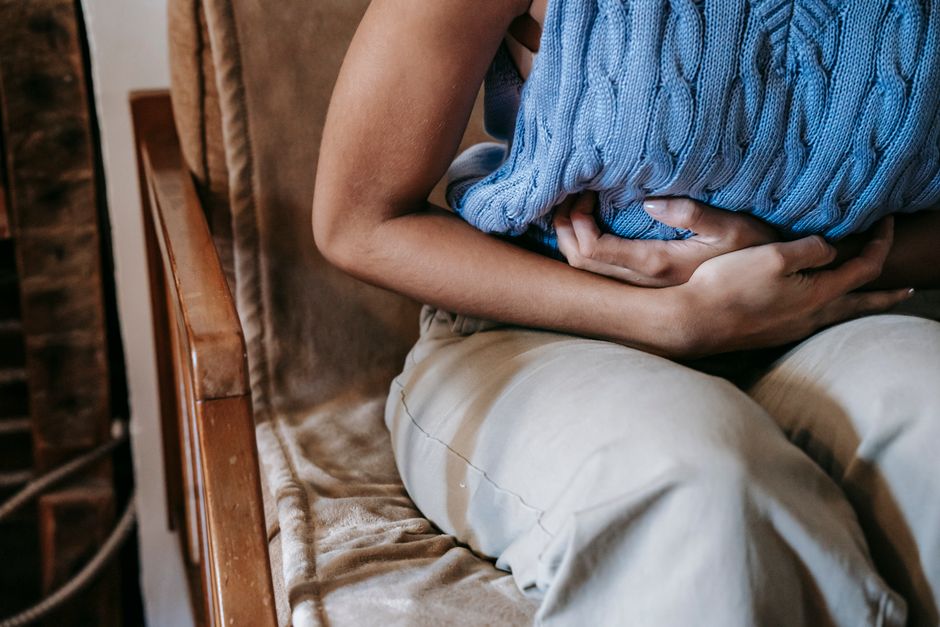
To prepare your stomach for international travel, start adjusting your diet a few weeks before your trip, consider taking a daily probiotic, and commit to safe food and water habits once you arrive. Most stomach problems abroad come from unfamiliar bacteria in food and water. These steps can significantly reduce your risk of traveler’s diarrhea.
How To Prepare Your Stomach For International Travel?
Preparation begins long before you board the plane. Gradually shift your diet toward simpler, less spicy meals a week or two before departure. Cut back on heavy, greasy foods and large portions to give your digestive system a break. Staying well hydrated with plain water helps maintain normal gut function.
Adding a daily probiotic supplement containing Lactobacillus or Saccharomyces boulardii may help your gut handle new bacteria. Start the probiotic at least one to two weeks before traveling. The evidence shows modest benefit for preventing traveler’s diarrhea, but results vary by strain and individual.
Another well-studied option is bismuth subsalicylate (Pepto-Bismol). Taken as directed, it can prevent about half of traveler’s diarrhea cases. Check with your doctor first, especially if you take blood thinners, aspirin, or have kidney problems. For most healthy adults, it is safe for short-term use.
Finally, pack a small travel medical kit containing oral rehydration salts, loperamide (Imodium), and any prescription medications you might need. Having these on hand lets you respond quickly if symptoms start.
What Causes Stomach Problems During International Travel?
The most common cause is traveler’s diarrhea, usually from bacteria like enterotoxigenic E. coli that your body has never encountered. Contaminated food or water is the typical source. Stress, changes in diet, and different meal times also play a role. Your gut microbiome takes time to adapt, so even careful travelers can experience mild upset.
How Can I Prevent Traveler’s Diarrhea?
Focus on what enters your mouth. Drink only bottled or boiled water. Avoid ice cubes unless you know they are made from purified water. Eat foods that are thoroughly cooked and served hot. Stick to fruits you peel yourself, such as bananas and oranges.
Wash your hands often with soap and water, or use an alcohol-based sanitizer when soap is not available. Hand hygiene is one of the simplest and most effective prevention steps. Avoiding street food where hygiene is uncertain also lowers your risk.
For higher-risk destinations or if you have a sensitive stomach, bismuth subsalicylate taken with meals can provide additional protection. Discuss with your doctor whether this is appropriate for your trip.

What Foods and Drinks Are Safest When Traveling?
Safe choices include hot coffee or tea, bottled or canned beverages, and well-cooked meats and vegetables. Breads, rice, and pasta served hot are generally low risk. Pasteurized dairy products in sealed containers are usually fine.
Foods to avoid: raw or undercooked meat and seafood, salads and uncooked vegetables, unpasteurized milk or cheese, and sauces made from raw eggs. Tap water, ice from unknown sources, and drinks from street vendors with questionable hygiene should also be avoided.
Should I Take Probiotics Before Traveling?
Some studies suggest that probiotics can reduce the chance of traveler’s diarrhea by about 10 to 20 percent. However, the evidence is not strong enough for official organizations like the CDC to recommend them for everyone. If you choose to try probiotics, look for products containing Saccharomyces boulardii or Lactobacillus rhamnosus GG. Start at least one week before travel and continue throughout your trip. Probiotics are safe for most people but may cause mild gas or bloating at first.
What Medications Should I Pack for Stomach Issues?
For mild diarrhea, loperamide (Imodium) is effective for stopping symptoms quickly. Use it only when necessary, and stop taking it if you have a fever or bloody stools — those signs may indicate a more serious infection that needs medical attention.
Bismuth subsalicylate (Pepto-Bismol) can treat as well as prevent traveler’s diarrhea. Follow the dosing instructions on the label. Do not use it for more than three weeks without consulting a doctor.
Oral rehydration salts are critical if you develop significant diarrhea. They replace lost fluids and electrolytes more effectively than sports drinks. Pack a few packets from a pharmacy before your trip.
In some cases, doctors prescribe antibiotics like rifaximin or azithromycin for severe traveler’s diarrhea. These are not for self-treatment — you need a prescription and clear instructions from your healthcare provider. Bring them only if your doctor advises it based on your destination and health history.
How Do I Adjust to Local Food and Water Safely?
Your gut can gradually adapt to local bacteria. This process takes several weeks and does not guarantee protection. The safest approach is to follow the same food and water rules throughout your trip, regardless of length.
If you are staying long-term, you may slowly introduce small amounts of local water or food after the first few weeks, but this carries risk. There is no reliable shortcut to building tolerance. Stick to bottled water for drinking and brushing your teeth.
Frequently Asked Questions
When should I start preparing my stomach for international travel?
Begin two weeks before departure. That gives enough time for probiotics to take effect and for dietary adjustments to settle your digestive system.
Can I take Pepto-Bismol every day for prevention?
It is safe for most healthy adults to take for up to three weeks, but check with your doctor first. Long-term use can cause side effects like black tongue or constipation.
What is the best probiotic for travel?
Saccharomyces boulardii and Lactobacillus rhamnosus GG have the most research supporting their use for traveler’s diarrhea. Look for products with one or both of these strains.
What should I eat if I get traveler’s diarrhea?
Stick to bland, easily digestible foods such as plain rice, bananas, toast, and applesauce. Drink plenty of clear fluids and oral rehydration solution to avoid dehydration.
