
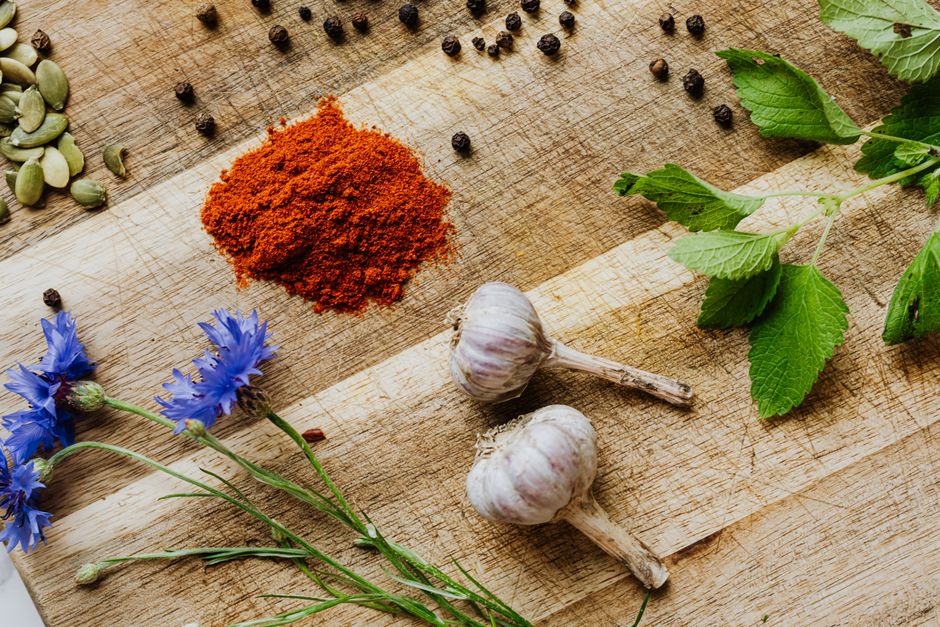
Paprika is a ground spice made from dried peppers, and preparing it at home is a simple process that starts with choosing the right peppers and ends with a vibrant, flavorful powder. You can make paprika from sweet bell peppers, spicy chili peppers, or anything in between, depending on the flavor profile you want. The basic method involves drying the peppers completely, then grinding them into a fine powder. This guide walks you through the entire process, from selecting peppers to storing your finished spice.
What Peppers Should You Use for Paprika?
The type of pepper you choose determines the flavor, color, and heat of your paprika. Traditional paprika comes from specific varieties like the Hungarian “cetka” or Spanish “ñora” peppers, but you can use any pepper you have available.
Sweet bell peppers produce mild, sweet paprika with a bright red color. They are the easiest to find and work well for most recipes. For a spicier version, add some dried chili peppers like cayenne or ancho to the mix. Some home cooks use a blend of sweet and hot peppers to create a balanced, flavorful spice.
Peppers can be dried whole, sliced, or halved. Slicing them speeds up the drying process and makes it easier to check for complete dryness. Removing the seeds and stems before drying is optional, but seeds can add bitterness and a slightly gritty texture to the finished powder.
How Do You Dry Peppers for Paprika?
Drying is the most critical step in making paprika. If the peppers are not completely dry, they will mold during storage, ruining the entire batch. There are several methods to dry peppers, and each works well.
Air drying is the traditional method. String the peppers with a needle and thread, leaving space between each one, and hang them in a warm, dry, well-ventilated area. This method can take several weeks, depending on humidity. The peppers are ready when they are leathery, brittle, and make a cracking sound when bent.
Oven drying is faster and more reliable. Preheat your oven to the lowest setting, usually around 140°F to 170°F. Place sliced peppers on a baking sheet lined with parchment paper. Leave the oven door slightly ajar to let moisture escape. Drying time varies from 4 to 8 hours, depending on the pepper thickness and moisture content. Check regularly and rotate the trays.
Dehydrators are the most consistent option. Set the temperature to 125°F to 135°F and arrange the peppers in a single layer. Most peppers dry in 8 to 12 hours. The key is to ensure every piece is completely dry and brittle before moving to the grinding step.
How Do You Grind Dried Peppers into Paprika?
Once the peppers are completely dry, grinding them into a fine powder is straightforward. A high-speed blender, coffee grinder, or spice grinder all work well for this task.
Work in small batches. Fill the grinder no more than halfway full. Pulse the grinder in short bursts rather than running it continuously. Continuous grinding creates heat, which can slightly toast the peppers and change the flavor. The goal is a fine, even powder.
After grinding, sift the powder through a fine-mesh strainer to remove any larger pieces that did not break down. Return the larger bits to the grinder for another pass. This step ensures a smooth, uniform texture that dissolves well in cooking.




How Should You Store Homemade Paprika?
Proper storage keeps paprika flavorful and prevents spoilage. Store the ground paprika in an airtight glass jar with a tight-fitting lid. Keep the jar in a cool, dark place, such as a pantry or cupboard, away from direct sunlight and heat sources.
Paprika loses its potency over time. Whole dried peppers can last for a year or more when stored properly. Ground paprika is best used within 6 months for optimal flavor. Over time, the color will fade from bright red to a duller brownish-red, and the flavor will become less pronounced.
Check for moisture regularly. If you see condensation inside the jar or notice clumping, the paprika may have absorbed moisture. This can lead to mold growth. Discard the batch if you see any signs of mold or an off smell.
What Is the Difference Between Sweet, Hot, and Smoked Paprika?
The three main types of paprika differ in flavor and how they are processed. Sweet paprika is made from mild peppers and has a gentle, fruity flavor. It is the most common type used in European cooking and adds color without significant heat.
Hot paprika comes from spicier pepper varieties and carries a noticeable kick. The heat level varies by brand, but it is generally much milder than cayenne pepper. Smoked paprika is made from peppers that are dried over an open fire, typically oak wood. This process gives the spice a deep, smoky flavor that is distinct from regular paprika.
When making paprika at home, you control the heat level by choosing the peppers. A mix of sweet bell peppers and a small amount of dried chili creates a mild hot paprika. For smoked flavor at home, you would need a smoker to dry the peppers over wood smoke, which is more involved than standard oven or dehydrator drying.
Can You Make Paprika Without Drying Peppers First?
No, you cannot make paprika from fresh peppers. Fresh peppers contain too much moisture to grind into a powder. The result would be a paste or puree, not a spice.
Drying removes the water content, concentrating the flavor and allowing the peppers to be ground into a stable powder. The moisture content of fresh peppers is around 90%, so drying reduces them significantly in weight. One pound of fresh peppers yields roughly 1 to 2 ounces of dried paprika, depending on the pepper variety.
If you want a fresh pepper flavor in cooking, use fresh peppers directly in your recipes. Paprika serves a different purpose as a concentrated, shelf-stable seasoning.
Why Does Homemade Paprika Taste Different from Store-Bought?
Homemade paprika often tastes fresher and more vibrant than commercial options. This is because the spice begins to lose its volatile oils and flavor compounds immediately after grinding. Store-bought paprika may sit on shelves for months before reaching your kitchen.
The pepper variety also plays a role. Commercial producers often use specific pepper cultivars bred for consistent color and flavor. Your homemade version reflects whatever peppers you chose, which may be sweeter, spicier, or more complex than standard commercial paprika.
Some commercial paprikas contain additives or anti-caking agents to improve flow and shelf life. Homemade paprika is pure pepper with nothing added, which can affect texture but also provides a cleaner flavor profile.
Is It Worth Making Paprika at Home?
Making paprika at home is worth the effort if you have access to fresh peppers and want a fresher, more flavorful spice. It also allows you to customize the heat level and flavor profile to your preferences.
The main drawbacks are the time required for drying and the relatively low yield. A large batch of peppers produces only a small amount of ground spice. If you use paprika frequently, you may find yourself making multiple batches throughout the year.
For occasional cooks, high-quality store-bought paprika is a perfectly good option. The freshness difference is noticeable but not dramatic enough to justify the effort for everyone. Home preparation is best suited for those who enjoy the process and want full control over their ingredients.
Frequently Asked Questions
How long does it take to dry peppers for paprika?
Air drying takes 2 to 4 weeks, while oven drying takes 4 to 8 hours and a dehydrator takes 8 to 12 hours. The exact time depends on pepper thickness, moisture content, and humidity levels.
Can I use any pepper to make paprika?
Yes, any pepper can be dried and ground into paprika. Sweet bell peppers produce mild paprika, while chili peppers produce hot paprika.
Do I need to remove the seeds before drying peppers?
Removing seeds is optional. Seeds can add bitterness and a gritty texture, so removing them produces a smoother, milder powder.
How long does homemade paprika last?
Stored in an airtight jar in a cool, dark place, homemade paprika stays flavorful for about 6 months. Whole dried peppers last longer, up to a year or more.
