
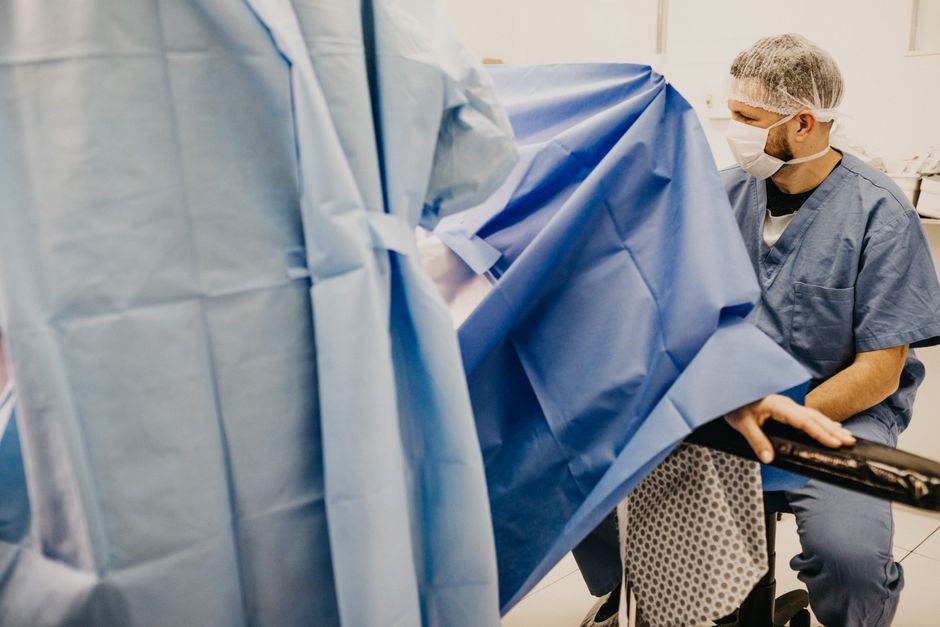
Labor induction is a common procedure, affecting about one in four pregnancies in the United States. It means your healthcare team uses medications or other methods to start contractions before they begin on their own. Preparing for induction involves practical steps like packing your hospital bag earlier, planning for pain management, and understanding what the process actually involves so you can make informed decisions in the moment.
Why Is Labor Induction Being Recommended?
Induction is not a random decision. Your doctor or midwife recommends it when the risks of continuing the pregnancy are higher than the risks of delivering early. The most common reasons include being past your due date, usually beyond 41 weeks, or having a condition like high blood pressure, diabetes, or a concern about the baby’s growth.
Sometimes induction is elective, meaning there is no medical reason. Research shows that inducing labor at 39 weeks for low-risk first-time mothers may reduce the rate of cesarean sections compared to waiting for spontaneous labor. However, this is a decision you make with your provider based on your specific situation. Always ask why induction is being suggested for you specifically.
What Happens During A Cervical Check And Bishop Score?
Before induction starts, your provider will assess your cervix. This internal exam checks for dilation, effacement, and the position of the baby. This information is used to calculate your Bishop score. A higher score means your cervix is more favorable for induction and you are more likely to have a successful vaginal delivery.
A low Bishop score does not mean induction will fail. It means your cervix is not ready yet, and your provider may use methods to ripen or soften it first. This is a normal part of the process, not a sign that something is wrong. Knowing your Bishop score helps you understand what the first steps of your induction will look like.
How To Prepare For Labor Induction Practical Steps For Your Hospital Bag
Pack your bag by 36 weeks of pregnancy. Induction is often scheduled, but complications can change plans quickly. Having your bag ready removes stress on the day of admission.
Bring items that genuinely help you labor. A long phone charger, a water bottle with a straw, and comfortable loose clothing are essential. Pack snacks for after delivery, as you may not be allowed to eat much during active labor. Bring your own pillow and a robe for comfort. Do not forget toiletries and going-home outfits for both you and the baby. Leave valuables like jewelry at home.
Bring your insurance card, identification, and a printed copy of your birth plan if you have one. Your provider’s contact information should be in your phone. Make sure your partner or support person knows where everything is in the bag so they do not have to search for items while you are focused on labor.





What Are The Main Methods Used For Induction?
There are several ways to induce labor, and they are often used in sequence. The method chosen depends on your Bishop score, your health, and the baby’s condition.
Membrane sweeping is often the first step. Your provider sweeps a gloved finger between the amniotic sac and the uterine wall. This releases natural prostaglandins that may start labor. It can be done in the office without admission to the hospital.
Prostaglandins are medications placed in the vagina or taken orally to soften and ripen the cervix. This is commonly used when your Bishop score is low. Balloon catheters are a mechanical method. A small balloon is inserted past the cervix and inflated to put pressure on it, encouraging dilation and hormone release. This method does not use medication.
Pitocin, a synthetic form of the hormone oxytocin, is given through an IV. It stimulates regular contractions. Pitocin is started at a low dose and increased gradually until your contractions are strong enough. It requires continuous fetal monitoring and IV access, which limits your movement.
Amniotomy, or breaking your water, is sometimes done if the cervix is already dilated. Your provider uses a small plastic hook to rupture the amniotic sac. This often strengthens contractions but cannot be reversed once done.
| Method | How It Works | When It Is Used |
|---|---|---|
| Membrane Sweep | Separates amniotic sac from cervix | Outpatient, before admission |
| Prostaglandins | Softens and ripens the cervix | Low Bishop score, inpatient |
| Balloon Catheter | Mechanical pressure on cervix | Low Bishop score, no medication |
| Pitocin | Synthetic oxytocin for contractions | After cervix is favorable |
| Amniotomy | Breaks the amniotic sac | Cervix is partially dilated |
How Should You Plan For Pain Management?
Induced labor is often more intense than spontaneous labor. Contractions from Pitocin tend to come on stronger and more regularly. This does not mean everyone needs an epidural, but you should plan for the possibility.
An epidural is the most common pain relief method for induction. It provides continuous pain relief while keeping you awake. You will need IV fluids and monitoring during placement. Discuss the timing of an epidural with your provider. Some people worry that an epidural slows labor, but research shows it does not increase the rate of cesarean sections.
Non-medical options include changing positions, using a birthing ball, having a support person apply counter-pressure, and using breathing techniques. These are helpful but may not be enough if contractions are very strong. Talk to your provider about the full range of options before you are in active labor.
How Long Does Induction Take?
Induction is not fast. For first-time mothers, it can take 24 to 36 hours or longer from the start of cervical ripening to delivery. For women who have given birth before, it is often quicker. Do not expect to walk in and have your baby within a few hours.
The process has two phases. First, your cervix must ripen and dilate. This can take many hours, especially if you start with a low Bishop score. Second, you push through active labor. The total time depends on how your body responds to the medications. Patience is a practical necessity for induction.
What Are The Risks And Complications You Should Know?
Induction carries specific risks beyond those of spontaneous labor. The most common is a failed induction, which means labor does not progress despite medication. This can lead to a cesarean section. The risk of cesarean is higher when induction starts with an unfavorable cervix.
Pitocin can cause contractions that are too frequent or too strong, a condition called hyperstimulation. This can affect the baby’s heart rate. Your care team manages this by adjusting the Pitocin dose or giving medication to relax the uterus. Continuous fetal monitoring is used specifically to catch this early.
There is a small risk of infection if your water breaks and labor does not start quickly. There is also a risk of umbilical cord problems if the amniotic sac is ruptured. Your provider will explain these risks before you consent to the procedure. Ask questions if anything is unclear.
What Should You Eat And Drink Before Induction?
Most hospitals restrict eating during active labor because of the risk of aspiration if an emergency cesarean is needed. This is a standard safety measure, but policies vary. Ask your provider about their specific guidelines.
If you are allowed to eat early in the process, choose light, easily digestible foods like toast, crackers, or clear soups. Avoid heavy fatty meals. Stay hydrated with water or clear fluids until you are told otherwise. Some providers allow clear liquids during labor, but this varies. Do not assume you can eat normally once induction starts.
How Do You Mentally Prepare For Induction?
Induction changes the experience of labor. You do not get the natural onset of contractions that tells you labor is starting. You are in a hospital bed with monitors and IV lines from the beginning. This feels different, and it is okay to acknowledge that.
Talk to your partner about how you want to handle the waiting time. Bring music, podcasts, or a book to pass the early hours. Plan for the possibility that induction takes longer than expected. Having a flexible mindset helps more than having a rigid birth plan.
Ask your provider in advance about their policies on movement, eating, and how often they check on you. Knowing these details reduces anxiety on the day. Remember that induction is a tool to help you deliver safely, not a failure on your part.
Frequently Asked Questions
Does labor induction hurt more than natural labor?
Induced contractions are often stronger and more regular, especially with Pitocin, which can make them more intense. You can still use epidurals and other pain relief methods to manage this.
Can I eat during labor induction?
Most hospitals restrict food during active labor, though clear liquids are often allowed. Ask your provider for their specific policy before your admission.
How long after induction will I have my baby?
For first-time mothers, induction can take 24 to 36 hours or longer from start to delivery. It is often faster for women who have given birth before.
What is a failed induction?
A failed induction means labor does not progress despite medications or methods used. This can result in a cesarean section, and the risk is higher when the cervix is not favorable at the start.
