

Red light therapy — also called photobiomodulation or low-level laser therapy — uses specific wavelengths of red and near-infrared light to interact with cells in the skin and deeper tissue. If you have a session scheduled or you’re using an at-home device, the preparation is simpler than most people expect. There is no fasting, no special diet, and no downtime required. What matters most is clean skin, protected eyes, the right distance from the device, and realistic expectations about what the treatment can and cannot do.
What Is Red Light Therapy and How Does It Work?
Red light therapy delivers light at specific wavelengths — most commonly in the range of 600 to 700 nanometers for red light and 800 to 1,100 nanometers for near-infrared light — to the surface of the skin and, at longer wavelengths, into deeper tissue. The light is absorbed by structures inside cells, particularly mitochondria, which are the energy-producing components of cells.
The proposed mechanism involves a molecule called cytochrome c oxidase, an enzyme in the mitochondrial respiratory chain. When it absorbs red or near-infrared light, it may trigger a cascade of cellular effects including increased ATP production, temporary changes in reactive oxygen species, and modulation of inflammation. This is the leading explanation in the scientific literature for why photobiomodulation might have biological effects at all.
Here is where honesty matters. The mechanism is plausible and has been studied for decades. But biological plausibility is not the same as proven clinical benefit. Some conditions — particularly certain types of pain, wound healing, and skin conditions — have more research support than others. Many marketing claims about red light therapy go far beyond what clinical evidence currently supports. The therapy is not a cure for any disease, and it does not replace medical treatment.
Understanding this distinction helps you prepare sensibly. You’re not preparing for a powerful medical intervention. You’re preparing for a low-risk light exposure session that may or may not produce noticeable results depending on what you’re using it for.
How To Prepare For Red Light Therapy: Step by Step
Preparation for red light therapy is straightforward. The main goals are clean skin, protected eyes, correct positioning, and a device that is actually emitting the intended wavelengths.
- Clean your skin. Remove makeup, sunscreen, lotions, and oils from the treatment area. These products can block or scatter light before it reaches the skin. A gentle cleanser and water are enough.
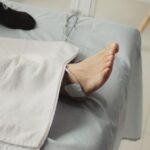
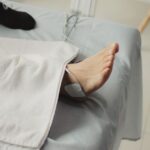
- Remove clothing from the treatment area. Fabric blocks light. If you’re treating your back or shoulder, the area needs to be exposed.
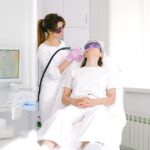
- Protect your eyes. Many devices come with protective goggles. If yours did not, ask the provider or manufacturer what eye protection is appropriate. Do not stare directly into the light source.
- Know your device’s distance and session time. Follow the manufacturer’s or clinician’s instructions for how far to sit from the device and how long to use it. More is not better. Exceeding recommended exposure does not improve results and may cause irritation.
- Remove jewelry or reflective items near the treatment area if they could reflect light or interfere with positioning.
- Have realistic expectations. Results, if they occur, typically take multiple sessions over weeks. A single session is unlikely to produce dramatic change.
If you’re going to a clinic, arrive with clean skin if possible. Most clinics will provide wipes or cleanser if needed. If you’re using a device at home, set up in a comfortable position where you can remain still for the full session.
Should You Wear Eye Protection During Red Light Therapy?
Yes. Eye protection is recommended for most red light therapy sessions, especially when using near-infrared wavelengths or higher-powered devices. The eyes are sensitive to light, and while red and near-infrared light at typical therapeutic doses has not been shown to cause acute damage in studies, the long-term effects of repeated exposure are not well established.
This is one area where caution is warranted rather than reassurance. Some at-home device manufacturers state that eye protection is not necessary for their specific devices at their specific power levels. Others include goggles. If your device came with goggles, use them. If it did not, contact the manufacturer before using the device near your face.
For treating areas far from the face — knees, shoulders, lower back — eye protection is still a reasonable precaution, particularly with higher-powered devices. It costs nothing and removes an unnecessary variable.


Does Red Light Therapy Require Any Skin Preparation Products?
No. You do not need to apply any special gel, serum, or conductive product before red light therapy. This is different from some other light-based treatments or ultrasound therapy, where a coupling medium is required.
In fact, applying lotions, creams, or oils before a session can work against you. These products sit on the skin surface and can absorb or scatter light before it reaches the target tissue. The exception is if a clinician specifically instructs you to apply something as part of a combined treatment protocol.
Some people apply skincare products after a session, not before. There is no strong evidence that doing so enhances the effects of red light therapy, but it also is not harmful. The key point is that pre-session skin should be clean and bare.
What Should You Avoid Before a Red Light Therapy Session?
Avoid anything that increases skin sensitivity or interferes with light penetration.
Photosensitizing medications are the main concern. Some drugs — including certain antibiotics, acne medications, and diuretics — can make the skin more sensitive to light. This is well established for ultraviolet light. Whether the same applies to red and near-infrared wavelengths at therapeutic doses is less clear, but the precaution is reasonable. If you take a medication known to cause photosensitivity, tell your clinician before a session.
Also avoid:
- Applying makeup, sunscreen, or heavy moisturizer to the treatment area immediately before a session
- Using the device over broken skin, open wounds, or active rashes unless a clinician has specifically directed you to do so
- Using red light therapy over areas with active skin infections or suspicious lesions that have not been evaluated by a doctor
- Combining red light therapy with other light-based treatments (like laser hair removal or IPL) on the same day without clinical guidance
If you have a skin condition, an active infection, or a lesion that has changed in size, shape, or color, see a doctor before using red light therapy on that area. Red light therapy is not a diagnostic tool and should not delay evaluation of a concerning skin change.
Does Red Light Therapy Require Fasting or Dietary Changes?
No. Red light therapy does not require fasting, hydration protocols, or dietary changes of any kind. There is no established evidence that what you eat or drink before a session affects outcomes.
This is worth stating plainly because some wellness marketing implies that red light therapy works best when combined with specific diets, supplements, or detox protocols. No clinical evidence supports those combinations. The therapy works — to whatever degree it works — through light absorption at the cellular level, not through metabolic or nutritional pathways that you can manipulate with food.
Stay normally hydrated. Eat as you usually would. There is no preparation ritual required.
How Many Sessions Before You See Results?
This depends entirely on what you’re treating and what the evidence shows for that specific use. There is no single answer.
For some applications with more research support — such as certain types of joint pain or specific wound-healing protocols — clinical studies often involve multiple sessions per week over several weeks. For skin-related uses, timelines vary widely in the literature. For many popular marketing claims, there is no established timeline because there is no established evidence of benefit.
A reasonable approach: follow the protocol provided by your clinician or device manufacturer. If you have completed the recommended course and see no change, more sessions are unlikely to help. If you experience skin irritation, redness that persists, or any unexpected reaction, stop and consult a healthcare provider.
Do not use red light therapy as a substitute for medical treatment of a diagnosed condition. It is not a treatment for cancer, and it should never delay or replace evidence-based care.
Is Red Light Therapy Safe for Everyone?
Red light therapy is generally considered low-risk for most people when used as directed. That said, “generally low-risk” is not the same as “safe for everyone.”
People who should be cautious or consult a doctor first include:
- Anyone taking photosensitizing medications
- People with a history of skin cancer or pre-cancerous lesions
- People with active skin infections or open wounds in the treatment area
- Pregnant women — not because red light therapy has been shown to be harmful during pregnancy, but because there is very little research on its use in pregnancy, and no clinical guidelines currently exist for this population
- People with epilepsy — some case reports suggest that flashing lights can trigger seizures in photosensitive individuals, though red light therapy devices typically emit steady light rather than flashing light
- Children — no clinical guidelines currently exist for red light therapy use in children
If you fall into any of these groups, talk to a healthcare provider before starting. This is not about alarm. It is about acknowledging where evidence is thin.
Frequently Asked Questions
Do I need to fast before red light therapy?
No. Red light therapy does not require fasting or any dietary preparation. Eat and drink normally before your session.
Can I wear makeup during red light therapy?
No. Makeup, sunscreen, and lotions can block or scatter light before it reaches the skin. Clean skin works best for light penetration.
How far should I sit from a red light therapy device?
Follow the specific instructions provided by your device manufacturer or clinician. Distance recommendations vary by device power and wavelength, and there is no universal standard.
What should I avoid before red light therapy?
Avoid applying skincare products to the treatment area and avoid using the device over broken or infected skin. If you take photosensitizing medications, tell your clinician first.
