
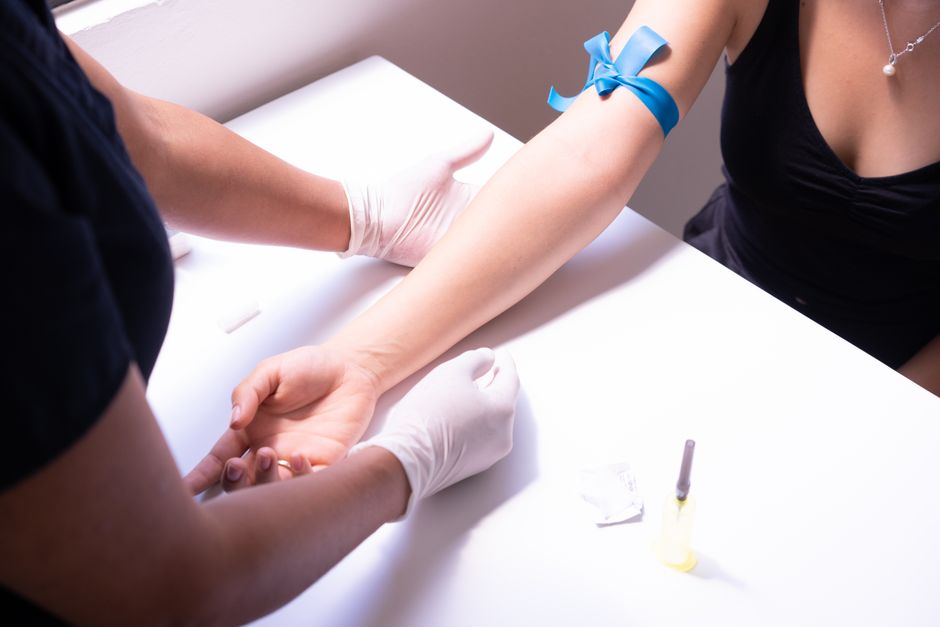
A Pap smear is a quick screening test for cervical cancer, and a little preparation makes the results more accurate. The main rules are simple: avoid sex, tampons, vaginal creams, and douching for 48 hours before your appointment, and try to schedule it when you are not on your period. That is the core of what you need to know, and the details below explain why these steps matter and what else can help.
What Exactly Is a Pap Smear and Why Does Preparation Matter?
A Pap smear, also called a Pap test, checks for abnormal changes in the cells of the cervix. The cervix is the lower part of the uterus that opens into the vagina. During the test, a clinician inserts a speculum to gently open the vaginal walls and uses a small brush or spatula to collect cells from the cervix.
Those cells are sent to a lab and examined under a microscope. The goal is to find precancerous changes early, before they ever become cervical cancer. This test has dramatically reduced cervical cancer rates since it became routine.
Preparation matters because anything that irritates the cervix or washes away cells can make the sample harder to read. A poor sample may come back as “unsatisfactory,” which means you have to repeat the test. Knowing the dos and don’ts helps you avoid that wasted trip.
How To Prepare For A Pap Smear Dos And Donts: The 48-Hour Rule
The single most important preparation window is the 48 hours before your test. During that time, you should avoid several things that can hide abnormal cells or inflame the cervix.
Don’t have vaginal sex. Intercourse can cause friction and inflammation that makes cervical cells look abnormal under the microscope. Even if you use a condom or lubricant, the physical contact alone can change the sample.
Don’t use tampons. Tampons can scratch or irritate the cervical surface. They can also leave fibers behind that interfere with the cell sample.
Don’t use vaginal creams, suppositories, or medicines. These products coat the cervix and can prevent the clinician from collecting a clean sample of cells. That includes over-the-counter yeast infection treatments and prescription estrogen creams.
Don’t douche. Douching washes away the cells that the test needs to collect. It also disrupts the natural balance of bacteria in the vagina, which can cause inflammation and confuse the results.
Don’t use spermicides or vaginal lubricants. These can also coat the cervix and interfere with the sample. If you need lubrication for any reason, plain water is the safest choice, though it is best to avoid anything inserted vaginally in that window.
Do schedule around your period. Light bleeding is usually not a problem, but a heavy flow can wash away cervical cells and make the sample difficult to evaluate. Most clinicians prefer to do the test when you are not bleeding at all. If your period is heavy, call the office and ask if you should reschedule.
What to Do the Day of Your Appointment
On the day of the test, a few simple choices can make the experience smoother. You do not need to fast or change your diet. There are no food restrictions before a Pap smear.
Do empty your bladder right before the test. A full bladder can make the speculum exam more uncomfortable. Most clinics will let you use the restroom immediately before the procedure.
Do wear comfortable clothing. You will need to undress from the waist down and wear a paper drape or gown. Two-piece outfits are easier than dresses or jumpsuits.
Do tell your clinician about any symptoms. If you have itching, unusual discharge, or pelvic pain, mention it before the test. These symptoms do not prevent the test, but they give your clinician important context for interpreting the results.
Do not use pain relievers beforehand unless you normally take them. There is no evidence that ibuprofen or acetaminophen meaningfully reduces the mild cramping some women feel during a Pap smear. Taking them is not harmful, but do not expect them to eliminate the sensation.




What Happens During the Test and How to Stay Comfortable
The actual test takes about one to two minutes. You lie on your back on the exam table with your knees bent and your feet in stirrups. The clinician inserts a speculum, which may feel cold but should not be painful. They then collect cells from the cervix with a small brush.
You may feel a mild cramp or a pinching sensation when the brush touches the cervix. This passes quickly. Taking slow, deep breaths and relaxing your shoulders and legs can help reduce tension.
If you have had a painful exam before, tell your clinician. They can use a smaller speculum or adjust the technique. Some offices allow you to insert the speculum yourself, though this is not standard everywhere. Asking for a smaller speculum is reasonable and common.
After the test, you may have light spotting for a day. This is normal. You can wear a panty liner if you prefer. There are no restrictions on bathing, swimming, or exercise after the test.
Understanding Your Results: What the Lab Is Looking For
Pap smear results are reported in a few categories. The most common result is negative, meaning no abnormal cells were found. This is the result everyone hopes for.
An abnormal result does not mean you have cancer. Most abnormal results are minor and resolve on their own. The lab may report “atypical squamous cells of undetermined significance,” often abbreviated ASC-US. This is a gray area that usually requires a follow-up test, often for HPV, the virus that causes most cervical cancers.
More significant abnormalities, called squamous intraepithelial lesions, may require a colposcopy. That is a procedure where the clinician uses a magnifying device to look closely at the cervix. Only a small percentage of abnormal results lead to a cancer diagnosis, and even then, early detection is the point of screening.
If your result is “unsatisfactory,” it means the lab could not read the sample well. This often happens because of blood, inflammation, or too few cells. You will need to repeat the test, typically in a few months. Following the 48-hour rules reduces the chance of this outcome.
How Often Do You Need a Pap Smear?
How often you need a Pap smear depends on your age, your history, and your HPV status. General screening guidelines have shifted over the years, and they now recommend less frequent testing than in the past.
Most women start screening at age 21. Between ages 21 and 29, screening every three years is typical if results are normal. Between ages 30 and 65, the options expand. You can continue with a Pap test every three years, or you can have a Pap test combined with an HPV test every five years.
These intervals assume normal results. If you have had abnormal results, precancerous changes, or certain risk factors, your clinician may recommend more frequent testing. Women with a history of cervical cancer, a weakened immune system, or exposure to diethylstilbestrol (DES) in the womb may need different schedules.
After age 65, many women can stop screening if they have had adequate negative results in the prior decade. This decision should be made with your clinician, not on your own.
Common Myths About Pap Smears You Should Ignore
Myth: You need a Pap smear every year. This was once true, but guidelines have changed. Annual pelvic exams may still be recommended for other reasons, but the Pap smear itself does not need to be annual for most women.
Myth: The HPV vaccine means you can skip Pap smears. The vaccine protects against the most common high-risk HPV types, but it does not cover all of them. Vaccinated women still need routine screening.
Myth: You cannot have a Pap smear while pregnant. Pap smears are safe during pregnancy and are often done at the first prenatal visit. The test does not harm the fetus. The main difference is that pregnancy can cause cervical changes that the clinician will interpret carefully.
Myth: A Pap smear tests for sexually transmitted infections. It does not. A Pap smear screens for cervical cell changes. STI testing requires separate swabs or blood tests. You can ask for STI testing at the same visit, but it is a different test.
Frequently Asked Questions
Can I have a Pap smear while on my period?
Light bleeding is usually fine, but a heavy period can make the sample hard to read. Call your clinician’s office if your flow is heavy and ask whether you should reschedule.
How long should I wait after sex before a Pap smear?
Wait at least 48 hours after vaginal sex before your Pap smear. Sex can inflame the cervix and hide abnormal cells.
Can I use a tampon the day before my Pap smear?
No, avoid tampons for 48 hours before the test. Tampons can irritate the cervix and interfere with the cell sample.
Does a Pap smear hurt?
Most women feel mild cramping or pressure, but it is brief. Tell your clinician if you have had a painful exam before so they can adjust the technique.
