
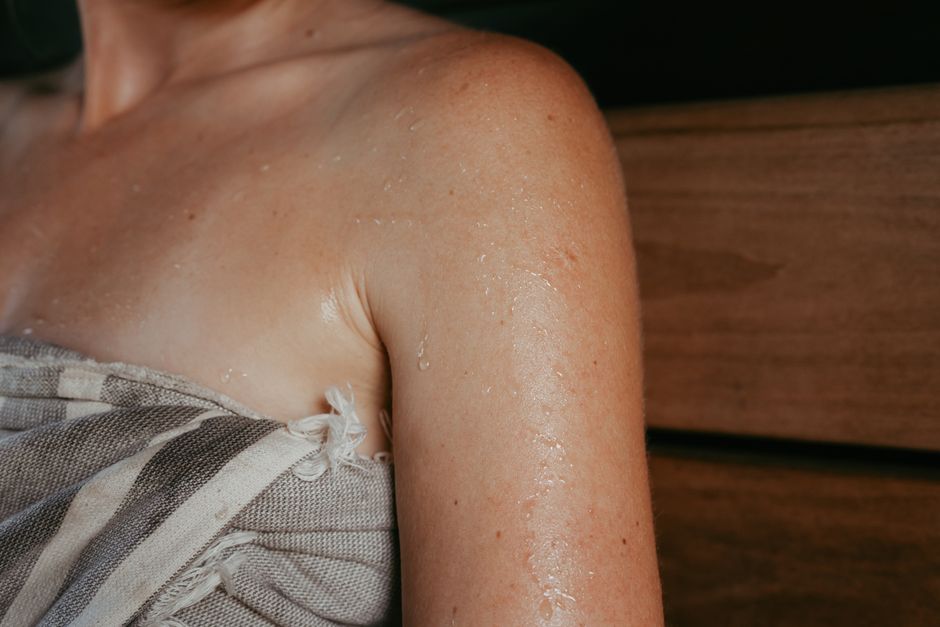
Sweating is how your body cools itself. You cannot switch it off, and you should not try. What you can do is reduce how much you sweat in situations where it bothers you, and manage the sweat that still happens. That means a mix of antiperspirants used correctly, clothing and habit changes, and in some cases medical treatment for a condition called hyperhidrosis.
Why Do You Sweat So Much In The First Place?
Sweat is controlled by your nervous system, not by how hot you feel alone. Two different systems are involved, and they behave differently.
Most sweat comes from eccrine glands, which are found across nearly your whole body. They release a mostly clear, salty fluid. These glands are switched on by acetylcholine, a chemical messenger released by sympathetic nerve endings. This is unusual, because the sympathetic nervous system usually revs up during stress. For sweat glands, it is the main trigger.
You also have apocrine glands, concentrated in the armpits and groin. These release a thicker fluid into hair follicles. Apocrine sweat is not what smells. Bacteria on your skin break down the fluid, and that is what produces odor.
Emotional sweating and heat sweating use partly different pathways. That is why some people sweat heavily during a presentation in a cold room. The trigger is not temperature. It is nerve signaling.
When sweating goes well beyond what a situation calls for, and it happens at least once a week, affects both sides of the body fairly evenly, and gets in the way of daily life, it may be hyperhidrosis. Primary hyperhidrosis usually starts in childhood or adolescence and has no underlying disease cause. Secondary hyperhidrosis has a cause, such as an overactive thyroid, diabetes, menopause, anxiety disorders, some medications, or rarely an infection or cancer. Sweating that starts suddenly in adulthood, is one-sided, or comes with night sweats deserves a medical evaluation.
How To Not Sweat: Tips, Treatments And Lifestyle Fixes That Actually Help
The single most effective thing most people can do is use antiperspirant correctly. Most people use too little and apply it at the wrong time.
Antiperspirants work differently from deodorants. Deodorants address odor. Antiperspirants reduce sweat by plugging the duct of the sweat gland with a metal salt, usually aluminum-based. That plug physically blocks sweat from reaching the skin surface. It is not a toxin, and the aluminum in antiperspirants has been studied extensively. Current evidence does not support a link between antiperspirant use and breast cancer.
How to apply antiperspirant so it works
- Apply at night, before bed. The sweat glands are less active then, so the plug forms more effectively.
- Make sure skin is completely dry first. Damp skin dilutes the product.
- Use a thin, even layer. More product does not mean more effect, and it can irritate skin.
- Let it dry before dressing. Do not wipe it off.
- Wash it off in the morning if you like. The plug stays in place.
Applying in the morning after a shower, which most people do, is the least effective timing. Switching to nighttime use is often the difference people notice.
What about clinical-strength products?
Over-the-counter antiperspirants vary in aluminum concentration. If regular products are not enough, a clinician may suggest a prescription-strength antiperspirant, often containing aluminum chloride hexahydrate. These are more effective for many people but can cause stinging and skin irritation, especially on freshly shaved skin. Applying them only at night, on dry skin, and skipping shaving for a day or two before use reduces that irritation.
What medical treatments exist?
For people whose sweating interferes with work, social life, or daily tasks, several options exist. Each has trade-offs.
- Prescription antiperspirants. First-line for underarm sweating in most clinical guidance.
- Iontophoresis. A device that passes a mild electrical current through water to treat hands and feet. Requires repeated sessions and upkeep.
- Oral medications. Anticholinergic drugs reduce sweating but commonly cause dry mouth, blurred vision, and other side effects. Some clinicians also use beta blockers for sweating triggered by performance anxiety.
- Botulinum toxin injections. Approved for severe underarm sweating. Blocks the nerve signal to sweat glands. Effects last several months and require repeat injections.
- Microwave therapy and surgery. Reserved for severe cases. Surgical options carry risk of compensatory sweating elsewhere on the body, which some people find worse than the original problem.
No single treatment works for everyone. What helps one person may do little for another, and response is often found by trial.
Do Lifestyle Changes Really Reduce Sweating?
Lifestyle changes rarely eliminate sweating, but they can meaningfully reduce how much it affects your day. Think of them as reducing triggers and managing consequences, not as a cure.
Certain foods and drinks push the nervous system and can increase sweating in some people. Caffeine, alcohol, and spicy foods are the usual suspects. This varies a lot between people. If you notice a pattern, adjusting is reasonable. There is no diet proven to stop sweating.
Clothing matters more than most people expect. Natural, breathable fabrics and loose fits let air move and moisture escape. Tight synthetic fabrics trap heat and moisture against the skin. For feet, moisture-wicking socks and rotating shoes so each pair dries fully between wears reduces both sweat buildup and odor.
Stress is a genuine trigger because emotional sweating runs on nerve signaling. Slow breathing and other relaxation techniques can lower the sweat response in anxiety-driven situations. They will not fix hyperhidrosis, but they can reduce the spike before a presentation or interview.
One non-obvious point: cooling your core, not just your skin, helps. Drinking cold water and cooling your neck, wrists, or the back of your knees can lower the signal your body uses to trigger sweating. This is more effective than fanning your face alone.





What About Sweat Odor And Skin Problems?
Odor comes from bacteria, not from fresh sweat. Managing odor is mostly about reducing bacterial buildup.
Shower regularly, dry skin fully before dressing, and keep underarm hair trimmed or removed if you prefer. Hair itself does not cause odor, but it holds moisture and gives bacteria more surface area. Antibacterial or pH-balanced cleansers can help. Changing shirts after heavy sweating reduces the time bacteria have to multiply.
Heavy sweating can also cause skin problems. Prolonged moisture softens and irritates skin, which can lead to chafing, fungal infections in skin folds, and conditions like heat rash or prickly heat. Keeping skin dry, using moisture-wicking fabrics, and treating irritated areas early prevents most of this. If a rash in a skin fold does not improve, a clinician can check whether a fungal infection is involved.
When Should You See A Doctor About Sweating?
See a clinician if sweating is disrupting your daily life, or if it has features that suggest a secondary cause.
Red flags include sweating that starts suddenly in adulthood, sweating that is much worse on one side of the body, night sweats that soak your sheets, sweating along with weight loss, fever, or chest pain, and sweating that comes with palpitations or tremor. These can point to thyroid problems, diabetes, infection, or other conditions that need evaluation.
For primary hyperhidrosis, the diagnosis is usually clinical. There is no single blood test that confirms it. A clinician takes a history, checks for secondary causes, and may measure sweat production in some cases. If your sweating is severe and topical products have not helped, asking about prescription options or referral to a dermatologist is reasonable.
One clarification worth making: sweating more than average is not a sign of poor fitness or poor hygiene. It is largely genetic and neurological. People with hyperhidrosis often have normal sweat gland structure. The glands are simply being signaled more.
Frequently Asked Questions
Can you stop sweating completely?
No, and you should not try. Sweating is essential for regulating body temperature, and blocking it entirely would be dangerous.
Is it better to apply antiperspirant at night or in the morning?
At night is more effective. Sweat glands are less active during sleep, so the antiperspirant forms a better plug in the duct.
Does aluminum in antiperspirant cause breast cancer?
Current evidence does not support a link between antiperspirant use and breast cancer. Aluminum salts work by blocking the sweat duct, not by entering the bloodstream in meaningful amounts.
When is heavy sweating a medical problem?
When it happens at least once a week, affects both sides of the body fairly evenly, and interferes with daily life, it may be hyperhidrosis. Sweating that starts suddenly in adulthood, is one-sided, or comes with night sweats should be checked by a clinician.
