
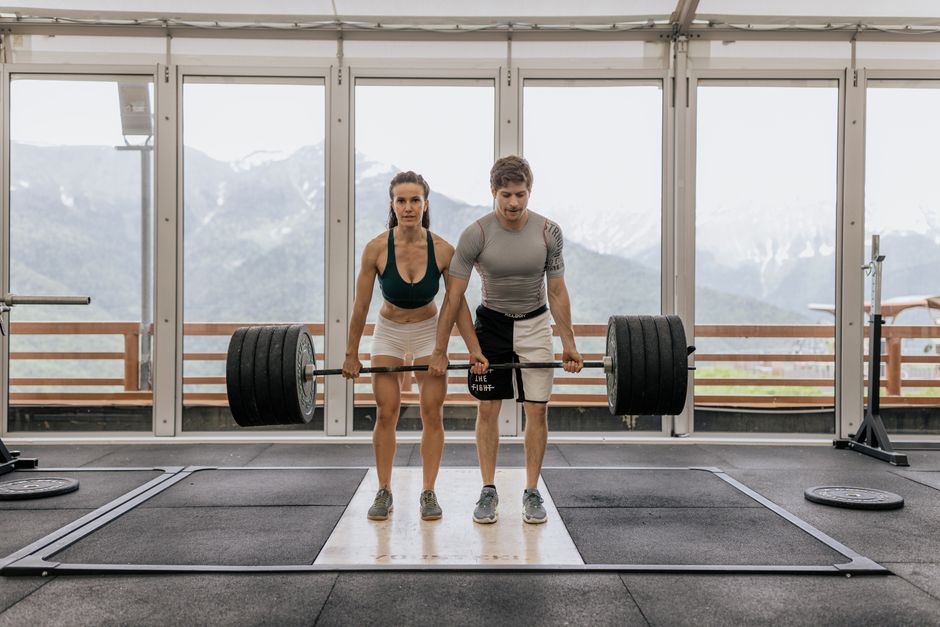
A max lift day tests your strength, your technique, and your nerves all at once. Hitting a personal record (PR) is not about luck. It comes down to how well you prepare in the days and hours before the bar is loaded. Preparation involves reducing fatigue, fueling your muscles, and having a clear plan for the attempt itself.
How To Prepare For A Max Lift Day And Hit A Pr
Preparation for a max lift starts days before you walk into the gym. The work you do in the 48 hours prior determines how fresh your nervous system is. A max lift is a skill as much as it is a test of strength. Your technique must be sharp because a breakdown in form will cause the lift to fail regardless of how strong you are.
Sleep is the most important factor. Your central nervous system recovers and adapts during deep sleep. One poor night of sleep can reduce your performance noticeably. Aim for eight or more hours of quality sleep in the two nights before your max attempt. This is not a suggestion. It is a physiological requirement for peak neural output.
Reduce your training volume in the week leading up to the attempt. Do not test your max on the heels of a hard training block. Your muscles need time to repair, and your nervous system needs time to return to full sensitivity. Most lifters perform their last heavy session three to four days before the max day, using about 70 to 80 percent of their estimated max for a few singles.
What Should You Eat Before A Max Effort Lift?
Your body uses carbohydrates as its primary fuel for high-intensity effort. Max lifts are short and explosive, but they still depend on stored muscle glycogen. Eating a meal rich in carbohydrates three to four hours before lifting gives your body time to digest and top off those stores.
Good pre-lift meals include rice with chicken, pasta with lean meat, or oatmeal with fruit. The meal should feel comfortable, not heavy. You do not want to lift with a full stomach. Avoid foods high in fat and fiber right before the session because they slow digestion and can cause discomfort under a heavy load.
Caffeine is one of the few supplements with solid evidence for improving strength performance. A moderate dose taken 30 to 60 minutes before lifting can reduce perceived effort and improve focus. If you do not normally consume caffeine, do not start on max day. Stick with what your body is used to. Hydration matters too, but do not overdo it. Drink water steadily through the day so your urine is light yellow before you start warming up.
How Should You Warm Up For A Max Attempt?
The warm-up has one goal: prepare your body to lift heavy without tiring it out. A proper warm-up gradually increases the load while keeping your repetitions low. You should finish your warm-up feeling ready to lift, not fatigued.
A typical warm-up for a max squat or deadlift might look like this. Start with a few minutes of light cardio to raise your core temperature. Then do several sets with the empty bar to groove your technique. Add weight in increments, doing one to three repetitions per set. The last warm-up set should be around 80 to 85 percent of your planned max. Rest three to five minutes between the heavier warm-up sets so your nervous system fully recovers.
Do not spend energy on excessive accessory work during the warm-up. This is not the time to practice your weak points. Save that for regular training days. Your warm-up is specifically for the competition lift you are about to perform.





How Do You Choose The Right Attempt Weights?
Choosing your opening weight is a strategic decision. The opening attempt should be a weight you can lift with confidence, roughly 90 to 93 percent of your target max. It should feel challenging but smooth. A successful opening attempt builds momentum and confirms your body is ready for the heavier loads.
Your second attempt should be your realistic target. This is the weight you have hit in training recently or a small jump from your opening. Your third attempt is the PR attempt. It should be a small increase over your second attempt, usually 2.5 to 5 kilograms or 5 to 10 pounds. The goal is to leave nothing in the tank, but you also want to avoid making a huge jump that causes you to miss the lift entirely.
Do not let ego dictate your attempts. A PR is still a PR even if it is a small one. Missing a lift because you jumped to a weight you were not ready for does not build strength. It builds frustration.
What Mental Preparation Is Needed For A Heavy Single?
A max lift requires intense focus. You need a clear mental routine that you repeat before every attempt. This routine helps block out distractions and narrows your attention to the task at hand. It can be as simple as taking three deep breaths, visualizing the lift, and then stepping up to the bar.
Visualization is a real technique used by athletes across many sports. Picture yourself completing the lift with perfect form. See the bar moving smoothly. Feel the lockout. This mental rehearsal activates the same neural pathways used during the actual lift, which can improve your readiness.
Do not think about the consequences of missing. Focus only on the execution cues you have practiced in training. For a squat, that might be “chest up” and “drive through the floor.” For a deadlift, it might be “pull the slack out” and “push the floor away.” Simple cues are easier to execute under pressure than complex thoughts.
What Are Common Mistakes That Ruin A Max Day?
One of the most common mistakes is testing a max lift too often. A true max effort is stressful on your joints, tendons, and nervous system. Doing it every week does not make you stronger. It wears you down. Most lifters benefit from testing a true max only every few months, following a structured program in between.
Another mistake is poor attempt selection. Starting too heavy leaves you nowhere to go. If your opening attempt is near your true max, you have no room to build. You also risk missing your opening lift, which is mentally damaging for the rest of the session.
Ignoring technique under heavy loads is also a problem. When the weight gets heavy, your body will find the easiest way to move it. If your technique breaks down, you risk injury. Recording your attempts and reviewing your form is valuable. Compare your max attempt video to your technique at lighter weights to spot differences.
Finally, do not compare your max to what you see on social media. Strength is individual. It is affected by your body weight, your training history, and your leverages. Your PR is your own.
How Long Should You Rest Between Max Attempts?
Rest periods between heavy attempts need to be long enough for full recovery. The phosphocreatine system, which powers your first few seconds of maximal effort, takes several minutes to replenish. Resting five to ten minutes between attempts is normal and appropriate.
Use this time wisely. Keep your muscles warm with light movement. Review your cues. Do not sit completely still for the entire rest period, as your muscles can tighten up. Stay focused on your plan and do not let the time drag on excessively. The longer you wait, the more your adrenaline can drop.
Should You Use A Spotter Or Lifting Belt?
For squat and bench press, a spotter is important for safety. A spotter can help you if you fail the lift, preventing injury. Make sure your spotter knows the handoff and how to assist if needed. Do not attempt a heavy squat or bench press without someone competent watching you.
A lifting belt is a tool that helps you brace your core. It provides something to push your abdominal wall against, which can increase intra-abdominal pressure and protect your spine. It does not make you stronger, but it can help you lift more safely. If you train with a belt, use it on max day. If you do not normally use one, do not introduce it for the first time on a max attempt.
What Should You Do After Your Max Attempt?
Once your attempts are done, the work is over. Do not add extra volume after your max. The goal was the single heavy lift. Additional sets after a true max effort do not build strength. They only add unnecessary fatigue and increase injury risk.
Your recovery in the following days matters. Eat a meal with protein and carbohydrates within a few hours of lifting to support muscle repair. Prioritize sleep. Light walking and gentle stretching can help with soreness. Your body will need a few days to fully recover from the stress of the session, so plan your next training week accordingly.
Frequently Asked Questions
How many days before a max lift should I train?
Your last heavy training session should be three to four days before the max lift day. This allows your muscles and nervous system to fully recover while keeping your technique sharp.
What should I eat the night before a max lift?
Eat a balanced meal with carbohydrates, protein, and some fat the night before. Pasta with meat sauce or rice with chicken and vegetables are solid choices that will top off your energy stores without causing digestive issues.
How many warm-up sets should I do before a max attempt?
Do enough warm-up sets to feel ready, usually five to eight sets total, with the last one at about 80 to 85 percent of your planned max. Keep the repetitions low and rest fully between the heavier warm-up sets.
Is it okay to miss a PR attempt?
Missing a lift is part of the sport. It is more important to make smart attempt selections that give you a high chance of success. A miss is not a failure if you learned something from it.
