
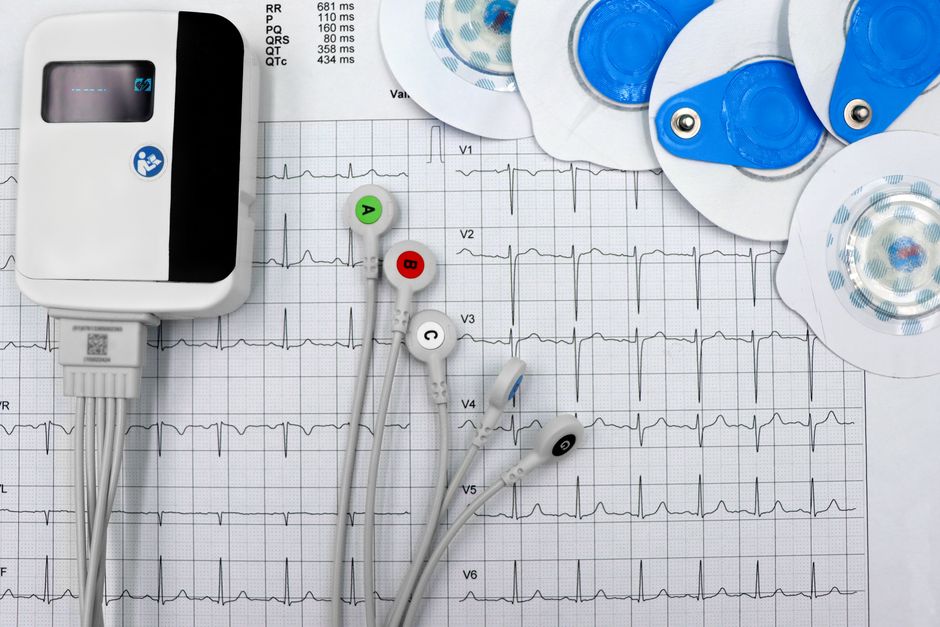
A Holter monitor is a small, wearable device that records your heart’s electrical activity continuously, usually for 24 to 48 hours. Preparing a patient mainly involves explaining the process, keeping the skin clean and dry, and maintaining a detailed diary of symptoms and activities. The monitor does not restrict most normal daily routines, but it does require avoiding water, magnets, and certain electronic devices while it is worn.
What Is a Holter Monitor and Why Is It Used?
A Holter monitor is a portable electrocardiogram (ECG) machine. A standard ECG captures heart activity for about 10 seconds in a doctor’s office. A Holter captures every heartbeat over a full day or more. This matters because many heart rhythm problems come and go. They may not appear during a short office visit.
Doctors typically order a Holter monitor when a patient reports symptoms like palpitations, dizziness, fainting, or an irregular pulse. The monitor helps connect those symptoms to actual heart rhythm events. It can also evaluate how well certain heart medications are working or check the function of a pacemaker.
The device is small. It connects to three to five sticky electrode patches placed on the chest. These patches attach to wires that lead to a recording unit worn on a belt or strap. The patient presses a button on the device when they feel symptoms. This marks the recording so the doctor can compare the timing of symptoms with the heart rhythm at that exact moment.
How To Prepare A Patient For Holter Monitoring: Step-by-Step
Preparation starts with the skin. The electrodes must stick firmly to the chest for the entire recording period. Clean, dry, hair-free skin gives the best adhesion.
- Shower before the appointment. The patient should bathe or shower right before the monitor is placed. Once the monitor is on, they cannot get it wet.
- Avoid lotions and oils. Do not apply moisturizer, body oil, or powder to the chest area on the day of placement. These products create a barrier between the skin and the electrode adhesive.
- Shave the chest if needed. Men with chest hair may need to shave the small areas where electrodes will sit. The technician will do this at the appointment if necessary, but doing it beforehand is often more comfortable.
- Wear loose, comfortable clothing. A loose-fitting top with a front opening works best. Tight clothing can rub against the electrodes and loosen them.
The patient should also bring a list of their current medications to the appointment. Some medications affect heart rhythm, and the doctor needs to know what the patient is taking when interpreting the results.
What the Patient Must Do During the Monitoring Period
Once the monitor is in place, the patient goes about their normal day. The goal is to capture the heart’s activity during typical routines. That means working, walking, climbing stairs, and doing usual household tasks as they normally would.
The most important task is keeping a diary. The patient records the time of day and what they were doing whenever they feel symptoms like chest pain, a racing heart, dizziness, or shortness of breath. The diary should also note when they take medications, when they sleep, and when they exercise.
Patients should press the event button on the monitor when they feel symptoms. This creates a timestamp on the recording. The combination of the diary and the event marker lets the doctor see exactly what the heart was doing at the moment symptoms occurred.
Some doctors ask patients to record symptoms even if they are mild. A brief flutter or a moment of lightheadedness can be clinically meaningful. It is better to log too much than too little.





What to Avoid While Wearing the Monitor
Water is the main enemy of a Holter monitor. The device and the electrodes are not waterproof. Patients cannot shower, bathe, swim, or use a hot tub while wearing it. Sponge baths are acceptable.
Magnets and strong magnetic fields can interfere with the recording. Patients should avoid MRI scans, large stereo speakers, and powerful magnets. Metal detectors at airports or security checkpoints can also disrupt the signal. Patients should carry the card given by the technician explaining that they are wearing a medical monitor.
Some household electronics can cause interference. Electric blankets, certain electric razors, and microwave ovens have occasionally caused artifacts on recordings. This does not mean the monitor is broken. It means the signal was temporarily distorted. The diary helps the doctor identify these moments and interpret them correctly.
Patients should keep their cell phone away from the monitor itself. Keeping the phone in a pocket on the opposite side of the body or in a bag is generally recommended. The phone does not need to be turned off.
What Happens After the Monitoring Period Ends
After 24 or 48 hours, the patient returns to the clinic to have the monitor removed. The technician peels off the electrodes and downloads the recorded data to a computer. The patient returns their diary at this time.
The removal process takes only a few minutes. The skin where the electrodes were placed may be red or irritated. This usually fades within a day or two. A gentle moisturizer can help if the skin feels dry or itchy.
Results are not immediate. A technician analyzes the recording first, often using computer software to identify abnormal rhythms. Then the interpreting physician reviews the data and the diary together. The doctor looks for correlations between symptoms and rhythm changes. The full report is usually available within a few days to a week.
The patient should ask when and how they will receive the results. Some clinics schedule a follow-up appointment to discuss findings. Others send the report to the referring doctor. The patient should know which pathway applies to them before leaving the clinic.
Common Questions Patients Ask Before the Test
Patients often worry about whether they can exercise while wearing the monitor. The answer is yes, within reason. Normal exercise is encouraged because it provides useful information about how the heart responds to physical stress. However, heavy sweating can loosen the electrodes. If an electrode falls off, the patient should reattach it if possible or call the clinic for instructions.
Another common concern is sleeping. The monitor does not interfere with sleep. The patient should sleep in their normal position. The wires may tangle slightly, but this is not dangerous. The diary should note the approximate time the patient fell asleep and woke up.
Some patients worry the monitor will be painful or obvious. It is neither. The device is lightweight and fits discreetly under clothing. Most people forget they are wearing it within a few hours.
When to Call the Doctor Immediately
Most patients complete the monitoring period without issues. But certain symptoms warrant immediate medical attention. If the patient experiences prolonged chest pain, severe shortness of breath, or fainting, they should seek emergency care. They should not wait for the monitoring period to end.
If the monitor beeps or displays an error message, the patient should note the time and call the clinic. If an electrode completely detaches, the recording may be incomplete. The clinic can advise whether the patient needs to come in for a reapplication.
Patients should know that the Holter monitor is a diagnostic tool, not a treatment. It does not fix heart rhythm problems. It only records them. The value of the test depends entirely on the quality of the recording and the accuracy of the diary. Good preparation and careful logging make the difference between a useful test and a wasted one.
Frequently Asked Questions
Can I shower while wearing a Holter monitor?
No. The monitor and electrodes are not waterproof and must stay completely dry. Use sponge baths until the monitor is removed.
How long do I need to wear a Holter monitor?
Most monitors are worn for 24 to 48 hours. Some newer devices can record for up to 14 days, but that is less common.
Can I exercise while wearing a Holter monitor?
Yes, normal daily activity and exercise are encouraged. Avoid excessive sweating that could loosen the electrodes, and log your exercise times in the diary.
Can I sleep on my side with a Holter monitor?
Yes. Sleep in your normal position. The wires may move during the night, but this will not harm you or the device.
