
Preheating a gas oven is a simple process, but doing it correctly makes a real difference in how your food cooks. The basic steps are: turn the oven dial to the temperature you need, wait for the oven to reach that temperature, and then put your food inside. Most gas ovens have a pilot light or an electric ignition system, and the process takes about 10 to 15 minutes. Below is the full step-by-step process, along with what is actually happening inside the oven and why it matters.
What Is The Step By Step Process For Preheating A Gas Oven?
Start by making sure the oven is empty. Remove any pans, baking sheets, or stored items from inside. Then set the temperature dial or press the numeric buttons to your desired heat. Most recipes call for 350°F for baking, but always follow what your recipe says.
After you set the temperature, listen for the ignition. You may hear a clicking sound as the oven lights the gas burner. Once lit, the burner stays on until the oven reaches the set temperature. On most gas ovens, a small indicator light turns on when the oven is heating and turns off when it has reached the target temperature. That light going off is your signal that the oven is ready.
If your oven has a digital display, it may show the current temperature as it climbs. Some models beep when preheating finishes. The total wait time is typically 10 to 15 minutes for most gas ovens to reach 350°F.
How Does A Gas Oven Actually Heat Up?
Gas ovens burn natural gas or propane at a burner located at the bottom of the oven cavity. The flame heats the air inside the oven, and a fan may circulate that air in models with convection settings. The heat rises from the bottom burner, which is why the bottom rack is usually hotter than the top rack in a standard gas oven.
The oven uses a thermostat to measure the internal temperature. When the temperature drops below your set point, the oven reignites the burner. When it reaches the target, the burner shuts off. This cycling continues throughout the cooking time to hold a steady temperature.
Gas ovens tend to have more humidity than electric ovens because the combustion of gas produces water vapor. This can affect browning and texture, which is why some bakers prefer gas for certain breads and pastries.
How Long Should You Preheat A Gas Oven?
Most gas ovens reach 350°F in 10 to 15 minutes. Lighter ovens on lower racks may reach temperature faster. Larger ovens or very cold kitchens can take closer to 15 minutes.
Do not rely on the oven light alone if you have an older model. The indicator light tells you the oven is heating, but it may not always tell you precisely when the target temperature is reached. A simple oven thermometer placed on the center rack is the most reliable way to know the true temperature. Oven thermostats can drift over time, and the dial setting may not match the actual internal temperature.
If you are baking something sensitive like a soufflé or a cake with a delicate crumb, give the oven an extra 5 minutes after the light goes off. This allows the oven walls and racks to fully absorb heat, which creates a more stable environment when you open the door.




Why Does Opening The Oven Door Ruin The Preheat?
Every time you open the oven door, hot air escapes and cooler room air enters. The oven then has to burn more gas to get back to temperature. This is not just about wasted energy — it affects your food. If you open the door too early or too often, the temperature drops significantly, and your baked goods may not rise properly or may cook unevenly.
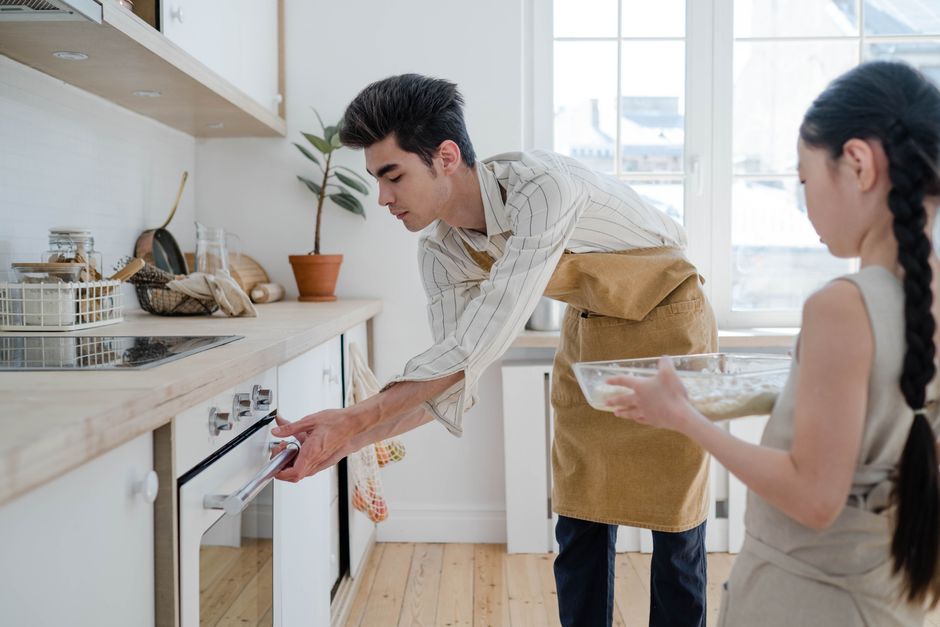
When you are ready to put the food in, open the door quickly, place the dish on the correct rack, and close the door promptly. Try to do this within a few seconds. Each second the door is open costs heat, and it takes time for the oven to recover.
For recipes that require precise heat, like meringues or custards, keep door openings to an absolute minimum. If you need to check on food, use the oven light and look through the window instead of opening the door.
What Is The Correct Rack Position For Preheating?
Rack position matters more than most people think. The middle rack is the safest choice for most baking because it allows heat to circulate evenly around the food. The bottom rack is hotter because it is closest to the burner, and the top rack is cooler.
If you are baking cookies or cakes, use the middle rack. For roasting meats or vegetables, the middle or lower rack works well. For broiling, the top rack is correct, but broiling does not require preheating the same way baking does. Broilers heat up fast and are designed to cook with direct radiant heat.
If you are baking multiple trays at once, rotate them halfway through cooking. The tray on the lower rack will cook faster than the one on the upper rack because heat rises. Rotating helps even out the results.
Should You Preheat A Gas Oven For Broiling?
Broiling is different from baking. Most gas ovens have a separate broiler element at the top of the oven or a dedicated broiler drawer below. Preheating the broiler is generally not necessary because the broiler gets extremely hot very quickly.
However, some recipes call for a hot broiler to sear meat properly. If your broiler takes a few minutes to glow red, a short 3 to 5 minute preheat can help. But you do not need the full 10 to 15 minute preheat cycle that baking requires.
Check your oven manual for specific broiler instructions. Some gas ovens require the oven door to be slightly ajar during broiling, while others do not. This is a safety feature that varies by model.
How Do You Know If Your Gas Oven Is Heating Correctly?
An oven thermometer is the best tool for checking accuracy. Place it on the center rack and preheat the oven to 350°F. After 15 minutes, read the thermometer. If it reads between 325°F and 375°F, your oven is within a normal range. If it is off by more than 25°F, your thermostat may need calibration.
Many gas ovens have a calibration feature in the settings menu. This allows you to adjust the offset so the displayed temperature matches the actual temperature. If you are not comfortable doing this yourself, a professional appliance technician can calibrate it.
Some signs that your oven may have a problem include: food consistently undercooked on the upper rack, longer than normal preheat times, or a burner flame that looks yellow instead of blue. A yellow flame indicates incomplete combustion, which can produce carbon monoxide. If you see this, turn off the oven and have it serviced.
Does Preheating Waste A Lot Of Gas?
Preheating uses gas, but the amount is relatively small compared to the total energy used during cooking. A typical gas oven uses about 20,000 BTUs per hour when the burner is on. A 10-minute preheat at 350°F may consume roughly 3,000 to 4,000 BTUs, which is a small fraction of a therm of gas.
You can reduce waste by only preheating when the recipe requires it. For slow roasts or braises, you can place the food in a cold oven and let it heat up together. This saves gas and does not harm the food for these cooking methods. However, for baking — where the initial burst of heat is critical — preheating is necessary.
If you bake frequently, consider cooking multiple items in the same preheated oven. Baking a casserole and a batch of muffins at the same time uses the same preheat energy as baking one item.
What Happens If You Skip Preheating?
Skipping the preheat changes how your food cooks. In baking, the first few minutes are when the structure of the food sets. Cakes, breads, and pastries rely on the immediate heat to create steam, which helps them rise. If the oven starts cold, the food heats gradually, and the structure may not set properly. The result is often a denser, flatter, or chewier texture.
For roasting, skipping preheat is less harmful. Meats and vegetables will still cook, just slower at the start. You may need to add 10 to 15 minutes to the total cooking time. The final texture may be slightly different — less browned on the outside — but it will still be safe to eat.
There is no safety risk in skipping preheat. The food will still reach a safe internal temperature if you cook it long enough. The issue is quality, not safety.
Frequently Asked Questions
How long does it take to preheat a gas oven to 350°F?
Most gas ovens take 10 to 15 minutes to reach 350°F. Use an oven thermometer to confirm the actual temperature because dial settings can drift.
Why does my gas oven take so long to preheat?
A slow preheat can be caused by a dirty burner, a faulty igniter, or a thermostat that is out of calibration. The oven may also take longer on a cold day or if the oven is very large.
Should I preheat a gas oven before baking cookies?
Yes, cookies need a fully preheated oven to spread and brown correctly. If the oven is not hot enough, cookies may spread too much or bake unevenly.
Can I put food in the oven while it is preheating?
You can, but it will affect the final texture. Baked goods like cakes and breads need the immediate heat to rise properly, so it is best to wait until the oven reaches the set temperature.
