
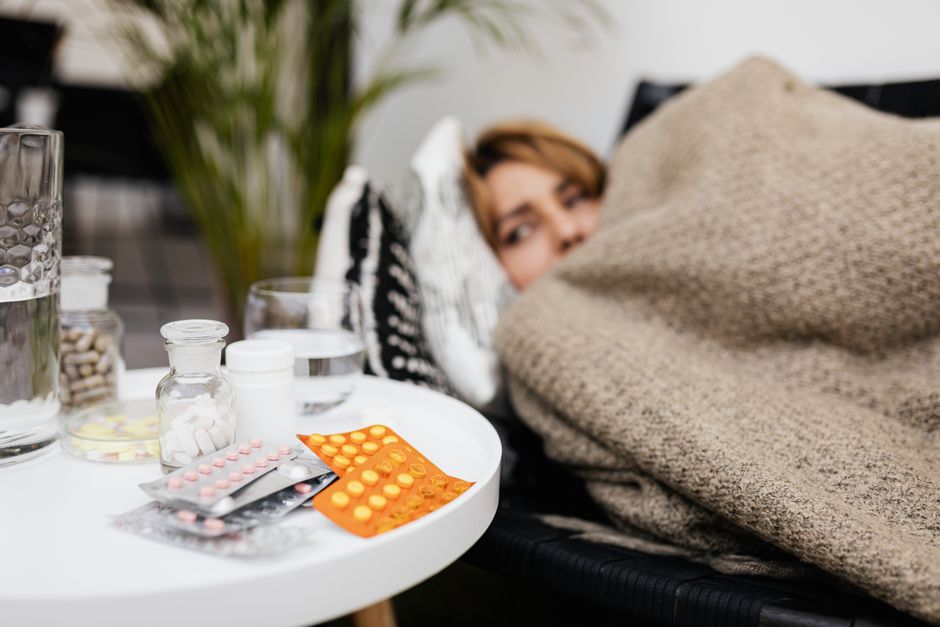
Most hangover advice you hear is either useless or makes things worse. The truth is that time is the only real cure, but you can reduce symptoms significantly with the right approach. Rehydrating with electrolytes, taking ibuprofen for headache pain, and eating bland carbohydrates to settle your stomach are the three things that actually help. Everything else—from “hair of the dog” to fancy supplements—ranges from unhelpful to dangerous.
What Causes a Hangover in the First Place?
Alcohol is a diuretic. It makes you pee more than you drink. This leaves you dehydrated, which causes that dry mouth, headache, and dizziness.
But dehydration is only part of the story. Your liver breaks down alcohol into a toxic compound called acetaldehyde. This chemical is far more poisonous than alcohol itself. Your body has to work hard to clear it out. Until it does, you feel terrible.
Alcohol also irritates your stomach lining. This causes nausea and vomiting. It disrupts your sleep even if you slept eight hours. Your blood sugar drops. Your blood vessels expand, which makes headaches worse. All of these things happen at once, which is why there is no single magic fix.
Does Drinking Water Before Bed Prevent a Hangover?
Drinking water before sleep helps but not as much as people claim. If you have been drinking for hours, you are already dehydrated by bedtime. One glass of water cannot undo that completely.
Research shows that hydration status affects hangover severity, but it is not the only factor. A 2020 study in Alcohol and Alcoholism found that people who drank more water alongside alcohol still reported hangovers the next morning. Hydration helps with headache and thirst but does nothing for acetaldehyde buildup or stomach irritation.
Drink water during the evening if you can. One glass between each alcoholic drink is the most effective strategy. This slows your drinking and keeps you more hydrated than chugging water at 2 AM.
How To Feel Better From A Hangover What Actually Works
Start with rehydration, but not plain water. Your body loses electrolytes along with fluids when you drink alcohol. Plain water replaces the fluid but not the sodium, potassium, and magnesium you need. Sports drinks, electrolyte tablets, or even broth work better.
Ibuprofen is the most effective over-the-counter option for hangover headache. Take it with food to avoid further stomach irritation. Do not take acetaminophen (Tylenol). Your liver is already processing alcohol byproducts. Acetaminophen adds more toxic load and can cause liver damage even at normal doses when combined with alcohol.
Eat something bland. Toast, crackers, rice, or a banana. Your stomach lining is irritated. Greasy food makes nausea worse for most people. The idea that greasy food “soaks up” alcohol is a myth. Alcohol is already absorbed into your bloodstream by the time you wake up.
Sleep if you can. Your body needs time to process and eliminate alcohol byproducts. Even if you cannot fall asleep, lying down with your eyes closed helps. Your brain is recovering from disrupted sleep cycles even if you do not realize it.


What About Supplements and Hangover Cures Sold Online?
The market for hangover supplements is large and mostly unregulated. As of 2026, there is no supplement proven in high-quality clinical trials to prevent or cure a hangover. Some ingredients show promise in small studies, but the evidence is not strong enough to recommend them.
| Remedy | What It Claims | What Evidence Says |
|---|---|---|
| Prickly pear extract | Reduces inflammation | One small study found less nausea, but results have not been repeated widely |
| Ginger | Settles stomach | Some evidence it reduces nausea, but not specifically for hangovers |
| B vitamins | Helps metabolism of alcohol | No strong evidence it changes hangover severity |
| Milk thistle | Protects liver | No evidence it helps with hangover symptoms |
| Activated charcoal | Absorbs toxins | Does not absorb alcohol. Useless for hangovers |
Most supplements are sold based on anecdotes, not data. If a product sounds too good to be true, it probably is. Your money is better spent on a sports drink and a decent breakfast.
What Should You Absolutely Not Do for a Hangover?
Do not drink more alcohol. “Hair of the dog” only delays the hangover. You feel better temporarily because you are numbing symptoms with more alcohol. Once it wears off, you feel worse because your body now has more acetaldehyde to process. This is how people end up drinking for multiple days straight.
Do not take acetaminophen. This is the most common and dangerous mistake people make. Acetaminophen is processed by the same liver enzymes that break down alcohol. Combining them increases the risk of liver toxicity. Ibuprofen or naproxen are safer choices, but take them with food.
Do not exercise intensely to “sweat it out.” Sweating does not remove alcohol from your body. Your liver does that. Intense exercise when dehydrated and low on electrolytes can cause muscle cramps, dizziness, or fainting. Light walking is fine if you feel up to it, but do not push yourself.
Do not take caffeine in large amounts. One cup of coffee is probably fine. More than that can worsen dehydration and anxiety. Your body is already stressed. Adding a stimulant does not help.
Are Some Types of Alcohol Worse for Hangovers?
Yes. Darker drinks contain more congeners. These are chemical byproducts of fermentation that contribute to flavor and color. They also contribute to hangover severity.
Bourbon, whiskey, dark rum, and red wine have higher congener levels than vodka, gin, or white wine. A 2010 study in Alcoholism: Clinical and Experimental Research found that people reported worse hangovers after drinking bourbon compared to vodka, even when the amount of alcohol was the same.
Current research suggests that congeners increase the toxic load your liver has to process. If you know you are going to drink and want to minimize next-morning symptoms, lighter colored drinks are a better choice. This does not mean you can drink more of them. It means the hangover from the same amount of alcohol will likely be less severe.
Carbonation also matters. Bubbly drinks like champagne or sparkling wine enter your bloodstream faster than still drinks. This means you feel the effects sooner and may drink more than you intended. It does not directly cause worse hangovers, but it makes it easier to overdrink without realizing it.
Frequently Asked Questions
Does eating before drinking prevent a hangover?
Eating a meal before drinking slows alcohol absorption into your bloodstream. It does not prevent a hangover entirely, but it reduces how fast you get drunk and how severe symptoms are the next morning.
Is it safe to take painkillers before drinking to prevent a hangover?
No. Taking ibuprofen or acetaminophen before drinking does not prevent a hangover and can increase the risk of stomach bleeding or liver damage. Only take painkillers the next morning if needed.
How long does a hangover usually last?
Most hangovers last between 8 and 24 hours. Symptoms peak when your blood alcohol level returns to zero, which is usually when you wake up. They gradually improve as your body clears acetaldehyde and rehydrates.
Can a hangover be dangerous?
Severe hangovers can cause dangerous dehydration, irregular heartbeat, or confusion. If you cannot keep fluids down for more than 12 hours, have severe abdominal pain, or feel confused, seek medical attention.
