
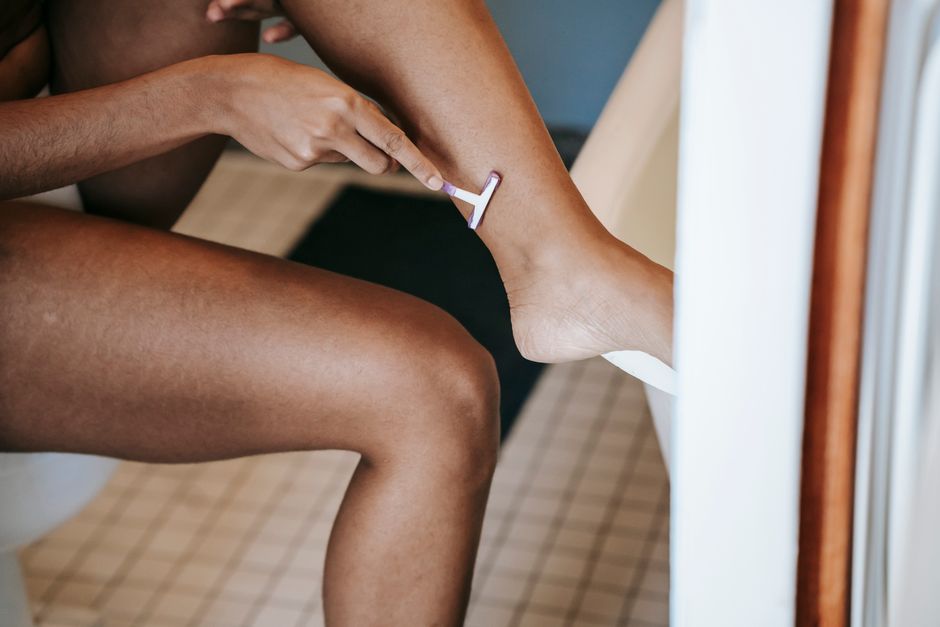
Shaving your armpits doesn’t have to leave you red, stinging, or itchy. The key is to prepare the skin, use a sharp razor with shaving cream, and shave in the direction of hair growth. Afterward, rinse with cool water and apply a fragrance-free moisturizer.
Why armpit shaving causes irritation for men
Armpit skin is thinner and more sensitive than skin on your legs or arms. It also folds and rubs against itself, which makes razor burn more likely. The hair grows in multiple directions, so a single pass often leaves some hairs behind. When you go over the same spot again, you scrape away the skin’s protective layer.
Sweat and bacteria in the armpit can also get into tiny nicks from shaving. That can cause stinging, bumps, or even infection. Razor bumps, also called pseudofolliculitis barbae, happen when a shaved hair curls back and grows into the skin. Men with curly or coarse hair are more prone to this.
What you need before you shave
Using the right tools makes the biggest difference. A sharp, clean razor with multiple blades can reduce the number of strokes you need. Dull blades pull hair instead of cutting it, which leads to irritation.
Shaving cream or gel is better than soap. Soap dries out the skin and doesn’t provide enough glide. Look for a product labeled for sensitive skin, preferably fragrance-free. Alcohol-based aftershaves should be avoided because they sting and dry out the skin.
Exfoliating before shaving helps remove dead skin cells that can trap hairs. A gentle scrub with a washcloth or a mild body scrub one day before shaving is enough. Do not exfoliate immediately before shaving—that can cause micro-tears.
Step-by-step guide: how to shave your armpits for men without irritation
1. Clean the area. Shower or wash your armpits with warm water and a gentle cleanser. Warm water softens hair and opens pores. Do not use hot water—it can strip natural oils and dry the skin.
2. Apply shaving cream. Use a generous amount and let it sit for one to two minutes. This softens the hair further and reduces friction.
3. Shave in the direction of hair growth. Look at the hair pattern. In most people, armpit hair grows downward from the shoulder and may also grow inward toward the chest. Shave in the same direction the hair lies flat. Going against the grain gives a closer shave but greatly increases irritation and ingrown hairs.
4. Rinse the blade frequently. Hair and cream build up on the blade after each stroke. Rinse it under running water after every two or three strokes.
5. Use light pressure. Let the razor do the work. Pressing hard guarantees cuts and irritation.
6. Rinse with cool water. Cool water helps close pores and soothe the skin. Pat dry with a clean towel—do not rub.
7. Moisturize immediately. Apply an unscented, alcohol-free moisturizer or a gentle aftershave balm. This replaces moisture and calms the skin.
Avoid applying deodorant or antiperspirant for at least an hour after shaving. The chemicals in these products can sting and may increase irritation.





How to prevent razor burn and ingrown hairs
Shaving too often is a common cause of irritation. For most men, shaving every two to three days is enough. Let the skin heal between shaves. If you see redness or bumps, wait until they clear before shaving again.
Using an electric trimmer instead of a razor can almost eliminate razor burn. Trimmers cut hair above the skin surface, so there is no risk of ingrown hairs or nicks. The trade-off is a less close shave, but many men prefer the comfort.
If you get ingrown hairs, stop shaving that area until they heal. Applying a warm compress can help bring the hair to the surface. Do not pick at the bumps—that can cause infection and scarring. Some evidence suggests that products containing salicylic acid or glycolic acid can help prevent ingrown hairs, but these can be drying. Use them sparingly.
Shaving in the shower may reduce irritation because the steam softens the hair, but be careful with slippery razors. A fogless mirror can help you see what you are doing.
Common mistakes men make when shaving armpits
Dry shaving. Shaving without cream or water causes friction, cuts, and razor burn. Never do this.
Using a dull blade. A razor that has been used more than five to seven times should be replaced. Dull blades tug hair and cause irritation.
Shaving too quickly. Rushing leads to missed spots and extra passes. Slow down.
Shaving right after applying deodorant. Deodorant residues can clog the razor and irritate skin if you shave over them.
Assuming all skin is the same. Armpit skin is different from facial skin. Products designed for the face may be too harsh for underarms.
Is it better to trim instead of shave?
For men who experience frequent irritation, trimming is a safer alternative. An electric body hair trimmer with a guard can cut hair to a short length without touching the skin. This avoids razor bumps, cuts, and stinging.
Trimming works well for coarse or curly hair because there is no risk of the hair growing back into the skin. The look is less bare than a clean shave, but many men prefer the reduced maintenance and comfort. Some research suggests that men who trim rather than shave report less skin discomfort overall.
If you want the smoothness of a shave only for special occasions, consider trimming most of the time and shaving only when needed. This gives your skin a rest.
Frequently Asked Questions
How often should I shave my armpits?
Every two to three days is typical, but it depends on how fast your hair grows and how your skin reacts. Shave only when the skin is fully healed from the last shave.
Can I use deodorant right after shaving?
Wait at least an hour. Deodorants and antiperspirants contain alcohol, fragrances, or aluminum compounds that can sting and irritate freshly shaved skin.
Does shaving armpit hair make it grow back thicker?
No. Shaving cuts the hair at the surface and does not change its thickness, color, or growth rate. The blunt tip of a shaved hair can feel coarser, but it is an illusion.
What should I do if my armpits are already red and irritated from shaving?
Stop shaving until the redness clears. Apply a cool compress and use a fragrance-free moisturizer. Avoid deodorant and tight clothing. If the irritation does not improve in a few days or looks infected, see a healthcare provider.
