
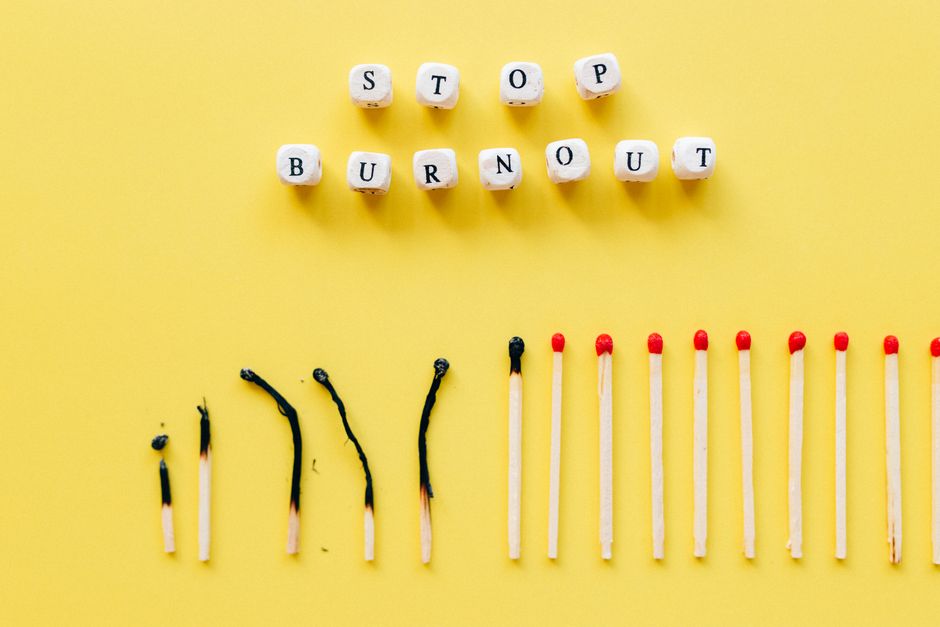
Work burnout does not get better with a vacation alone. The most effective recovery combines reducing the specific job stressors that caused it, rebuilding your sense of control over your work, and getting real rest — in that order. Sleep, exercise, and time off help you cope, but they do not fix a job that keeps draining you.
That is the uncomfortable part. Burnout is a response to prolonged workplace stress, not a personal weakness. The World Health Organization classifies it as an occupational phenomenon rather than a medical condition, which matters because it means the fix usually involves the job itself, not just the person doing it.
What Is Work Burnout, Exactly?
Burnout is a state of exhaustion caused by chronic workplace stress that has not been successfully managed. It is not the same as ordinary tiredness after a hard week, and it is not the same as depression, though the two can look similar and can occur together.
Researchers generally describe burnout through three dimensions. The first is emotional exhaustion — feeling drained and used up. The second is increased mental distance from your job, sometimes called cynicism or detachment. The third is a reduced sense of professional effectiveness, where you feel you are no longer doing well even when you once did.
This three-part model comes from decades of occupational health research, most associated with psychologist Christina Maslach. It is widely used because it captures something ordinary fatigue does not: burnout changes how you feel about your work, not just how tired you are.
One clarification that often gets lost. The WHO lists burnout in its classification system but explicitly states it should not be applied to describe experiences in other areas of life. It refers specifically to the occupational context. If you are exhausted for reasons unrelated to work, that is a real problem — it is just not this one.
How Do You Know It Is Burnout and Not Depression?
The two overlap, and untangling them matters because the approaches differ. Burnout tends to ease when you are away from work. Depression generally follows you everywhere.
With burnout, your energy and mood often improve on days off, during a genuine break, or when a specific work stressor resolves. With depression, the low mood, loss of interest, and fatigue persist across contexts — weekends, vacations, and activities you used to enjoy.
Other signals point toward depression: persistent sadness, changes in appetite or sleep unrelated to your schedule, feelings of worthlessness, and loss of pleasure in most things. Burnout is more tied to work-specific exhaustion and detachment.
This distinction is not something to self-diagnose. If you have low mood most of the day for weeks, have lost interest in things you once enjoyed, or have thoughts of harming yourself, that warrants evaluation by a clinician. In the US, you can call or text 988 for the Suicide and Crisis Lifeline.
Some research suggests burnout and depression are related but distinct, and the evidence on exactly how much they overlap is mixed. What is clear is that both deserve attention, and neither is solved by willpower.
What Actually Causes Burnout?
Burnout comes from the job, not from a lack of grit. Research consistently points to a handful of workplace factors that predict it, and they are structural rather than personal.
- Unmanageable workload. Too much to do in the time available, sustained over months.
- Lack of control. Little say over your schedule, decisions, or how you do your work.
- Insufficient reward. Low pay, no recognition, or effort that goes unnoticed.
- Broken community. A workplace that is isolating, unfair, or hostile.
- Absence of fairness. Unequal treatment, favoritism, or unclear rules.
- Value conflicts. Being asked to do things that clash with what you believe is right.
These six areas come from the same body of occupational research behind the three-dimension model. The practical takeaway is that if you are burned out, the cause is likely in one or more of these areas — and that is where change has to happen.
This is where a lot of burnout advice goes wrong. It tells you to practice self-care, meditate, and build resilience. Those things can help you cope. They do not remove the load. Telling a burned-out worker to be more resilient is a bit like telling someone carrying too much to have stronger arms.





How To Overcome Work Burnout: What Actually Works
The interventions with the strongest support target the job, not just the person. That does not mean individual steps are useless — it means they work best alongside changes to the work itself.
Reduce or Redistribute the Load
If your workload is the core problem, the most effective single step is to change it. That might mean renegotiating deadlines, dropping lower-priority tasks, delegating, or getting additional help. This is the hardest step and the one most likely to matter.
Be specific when you raise it. Vague complaints about being overwhelmed are easy to deflect. A concrete list of what you are responsible for, what is realistic, and what needs to change is harder to ignore.
Rebuild a Sense of Control
Low control is one of the strongest predictors of burnout. Even small increases in autonomy — choosing your hours, your methods, or your priorities — can make a difference. Where you have room to decide, use it. Where you do not, that is worth naming as a problem to solve, not a fact to accept.
Protect Recovery Time
Sleep is not optional. Chronic short sleep worsens mood, attention, and stress tolerance, and it makes everything on this list harder. Adults generally need seven or more hours a night, according to broad public health guidance.
Physical activity has reasonably consistent evidence for improving mood and stress. It is not a cure for a bad job, but it helps you function while you address the cause.
Set Boundaries That Hold
Constantly being reachable blurs the line between work and rest. That blurring is part of what makes burnout hard to escape. Clear boundaries — defined work hours, no email after a set time, real breaks during the day — help your nervous system actually recover between work periods.
Use Time Off Strategically
A vacation can provide relief, but the effect often fades quickly if you return to the same conditions. Time off works best when it is paired with changes to the job, or when it is used to plan those changes.
Get Support
Talking to a therapist, counselor, or your doctor can help, especially if you are unsure whether you are dealing with burnout, depression, or both. Some clinicians recommend structured approaches like cognitive behavioral therapy for work-related stress, though the evidence specific to burnout is more limited than for depression and anxiety.
What Does Not Work
Several popular fixes have weak or no evidence behind them for actually resolving burnout.
Wellness programs that offer yoga, meditation apps, or resilience training without changing workload or control have limited evidence for reducing burnout. Some studies suggest they can even shift responsibility onto the worker. They are not harmful in themselves — they are just not the fix.
Pushing through with more effort tends to make things worse. Burnout is not a stamina problem, and treating it as one usually deepens the exhaustion.
Waiting for it to pass on its own rarely works when the underlying conditions stay the same. The job does not change because time passes.
When To Get Professional Help
Seek help if your symptoms are severe, if they last for weeks or months, if they interfere with your daily life, or if you have thoughts of harming yourself. Burnout can coexist with depression and anxiety, and a clinician can help sort out what is happening.
There is no medication approved specifically for burnout, because it is not classified as a medical condition. But if you also have depression or an anxiety disorder, those are treatable, and treatment can make a real difference.
If your workplace is the problem and it cannot be changed, sometimes the honest answer is that leaving is the healthiest option. That is a significant decision, and it is worth making with support rather than in a moment of crisis.
Frequently Asked Questions
Can you recover from burnout without quitting your job?
Yes, many people do — but usually only when something about the job changes, such as workload, control, or support. If nothing changes and the same pressures continue, recovery is much harder.
How long does it take to recover from burnout?
There is no standard timeline, and recovery varies widely depending on how long you have been burned out and whether the causes change. Some people feel better within weeks of reduced load, while others need months.
Is burnout the same as depression?
No. Burnout is tied specifically to workplace stress and often eases when you are away from work, while depression tends to persist across all areas of life. The two can occur together, so a clinician should evaluate persistent low mood.
Does taking a vacation cure burnout?
A vacation can bring relief, but the effect usually fades if you return to the same conditions. Time off works best when combined with changes to the job itself.
