
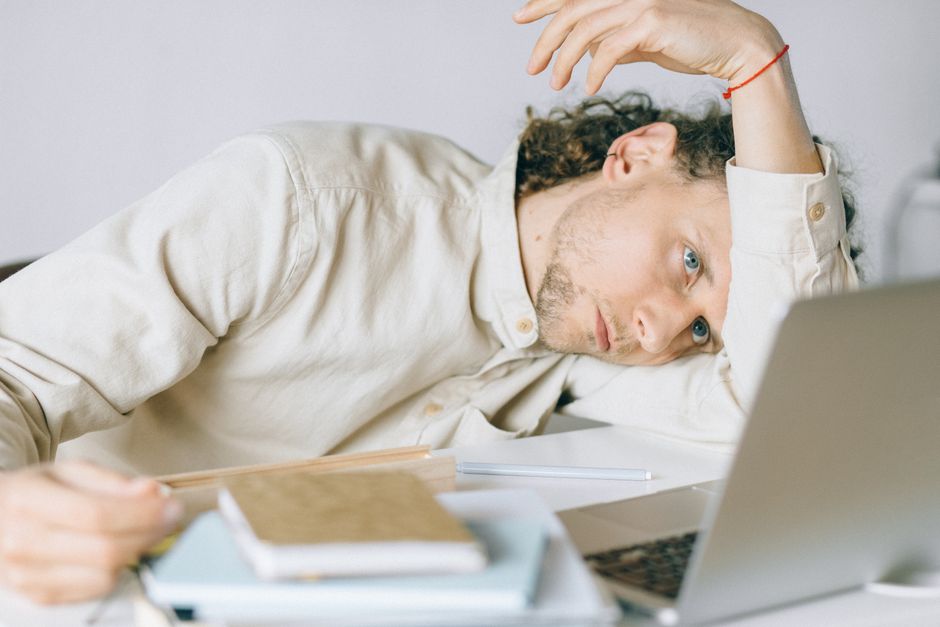
Anxiety fatigue is not just tiredness. It is the physical and mental exhaustion caused by a nervous system that has been running in high gear for too long. The way out is not simply rest. It is treating the anxiety itself while giving your body the recovery conditions it needs. That means a combination of professional support, better sleep habits, gentle movement, and learning to calm the body’s stress response over time.
Why Does Anxiety Make You So Tired?
When you feel anxious, your body releases stress hormones like adrenaline and cortisol. This is the same system that helped humans escape danger long ago. The problem is that in anxiety, this system stays switched on.
Your heart rate rises. Your muscles tense. Your breathing gets shallow. Your brain stays alert for threats that may never come. All of this burns real energy, even when you are sitting still.
Over time, this constant state of readiness wears the body down. Research consistently shows that chronic stress affects sleep quality, digestion, immune function, and concentration. So the fatigue is not imagined. It is a predictable result of a body that never gets to fully relax.
There is also a mental side. Racing thoughts and constant worry use up a lot of cognitive energy. This is why many people with anxiety describe feeling “wired but tired” at the same time.
What Does Anxiety Fatigue Actually Feel Like?
Anxiety fatigue feels different from ordinary tiredness. You may wake up after a full night’s sleep and still feel drained. You may feel heavy, foggy, or unable to focus. Simple tasks can feel overwhelming.
Common signs include:
- Waking up unrefreshed even after seven or eight hours of sleep
- Muscle tension, especially in the neck, shoulders, and jaw
- Trouble concentrating or remembering things
- Feeling restless but exhausted at the same time
- Irritability or a short fuse
- Headaches or stomach problems
These symptoms overlap with many other conditions, including thyroid problems, anemia, sleep apnea, and depression. That is why it matters to get a proper evaluation rather than assuming anxiety is the only cause.
How Do You Break the Cycle of Anxiety and Fatigue?
Breaking the cycle means working on both sides at once. You calm the anxiety, and you rebuild your energy. Doing only one rarely works for long.
The first step is getting a clear picture of what is going on. A doctor or mental health professional can rule out other causes of fatigue and confirm whether anxiety is the main driver. This matters because the right treatment depends on the right diagnosis.
From there, the most effective approach usually combines several things. Therapy, especially cognitive behavioral therapy, has strong evidence for treating anxiety disorders. Medication can help some people, and a doctor can explain the options and trade-offs. Lifestyle changes support both.
None of these are quick fixes. Anxiety that has built up over years does not resolve in a week. But the direction of change is real, and most people improve with consistent effort and proper support.





Can Changing Your Sleep Habits Reduce Anxiety Fatigue?
Sleep and anxiety are tightly linked. Anxiety makes sleep harder, and poor sleep makes anxiety worse. Improving sleep is one of the most direct ways to reduce daytime fatigue.
A few habits have solid evidence behind them:
- Go to bed and wake up at the same time every day, including weekends
- Keep the bedroom cool, dark, and quiet
- Avoid caffeine in the afternoon and evening
- Limit alcohol, which disrupts sleep even when it helps you fall asleep
- Get bright light in the morning to help reset your body clock
- Put screens away for a while before bed
If you lie awake for a long time, getting out of bed and doing something calm until you feel sleepy can help. This is a standard part of sleep therapy.
One non-obvious point: trying harder to sleep usually backfires. The pressure to sleep feeds anxiety, which keeps you awake. Letting go of that pressure, and focusing instead on rest, often works better.
Does Exercise Help With Anxiety Fatigue?
Movement is one of the most reliable tools for both anxiety and fatigue. It is not a cure, but the evidence for its benefits is strong.
Aerobic activity, such as walking, cycling, or swimming, can reduce anxiety symptoms and improve mood. It also builds physical stamina, which directly counters fatigue. The key is to start small.
When you are exhausted, the idea of a hard workout can feel impossible. It does not need to be hard. A short walk counts. Ten minutes of gentle movement is far better than nothing, and it often leads to more energy over time rather than less.
Strength training and stretching can also help, especially if muscle tension is part of your anxiety. The goal is consistency, not intensity.
What About Breathing, Grounding, and Relaxation?
These techniques calm the body’s stress response in the moment. They do not treat the root of an anxiety disorder on their own, but they are useful tools alongside other treatment.
Slow, steady breathing, with the exhale longer than the inhale, can help lower heart rate and ease tension. This is a well-established way to activate the body’s relaxation response.
Grounding techniques, like naming things you can see, hear, and feel, can pull attention away from spiraling thoughts. Mindfulness and meditation have some evidence for reducing anxiety, though results vary from person to person.
Think of these as tools in a toolkit. They help you get through hard moments. They work best when combined with therapy, lifestyle changes, and, when appropriate, medical care.
When Should You Get Professional Help?
If fatigue or anxiety is affecting your work, relationships, or daily life, that is a good reason to reach out. You do not need to wait until things feel unbearable.
Seek help sooner if you notice:
- Fatigue that does not improve with rest
- Anxiety that interferes with sleep, eating, or daily tasks
- Feelings of hopelessness or thoughts of self-harm
- Symptoms that have lasted for weeks or months
If you are having thoughts of harming yourself, contact a crisis line or emergency services right away. You deserve support, and help is available.
Professional treatment for anxiety is well established. Therapy and, for some people, medication can meaningfully reduce symptoms. A clinician can also check for other conditions that cause fatigue, since anxiety is not always the whole story.
How Long Does It Take to Feel Better?
There is no fixed timeline. Recovery from anxiety-related fatigue usually happens gradually, not overnight.
Some people notice improvement in sleep and energy within a few weeks of starting treatment. For others, it takes longer. The pace depends on how long the anxiety has been present, how severe it is, and what other factors are involved.
Progress is often uneven. Good days and hard days are both normal. What matters is the overall direction over weeks and months, not any single day.
The honest position: anxiety fatigue can improve, and for many people it improves a lot. But it usually takes consistent effort and, often, professional support. There is no single trick that makes it disappear for good.
Frequently Asked Questions
Can anxiety alone really cause extreme fatigue?
Yes. Chronic anxiety keeps the body’s stress response active, which uses real energy and disrupts sleep, leading to persistent fatigue. It is a common and well-recognized symptom.
How do I stop feeling tired from anxiety?
The most effective approach treats the anxiety itself while improving sleep, movement, and stress management. Professional support, such as therapy, often makes the biggest difference.
Is anxiety fatigue permanent?
No. For most people, anxiety-related fatigue improves with proper treatment and lifestyle changes, though it usually takes time and consistency. It is not a fixed, permanent state.
Should I see a doctor for anxiety fatigue?
Yes, if fatigue affects your daily life or lasts for weeks. A doctor can rule out other causes and help you find the right treatment for anxiety.
