
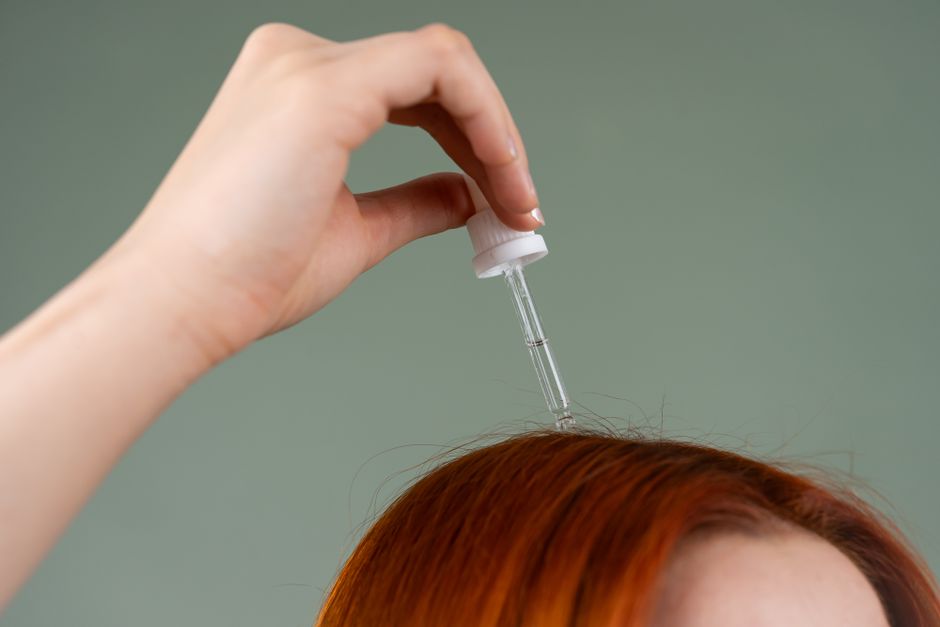
Dandruff is not a hygiene problem, and it is not caused by dry scalp. It is a common scalp condition driven mostly by a yeast that lives on almost everyone’s skin, plus how your scalp reacts to it. A routine that works targets that yeast, calms inflammation, and stays consistent long enough to matter. Most people see real improvement within a few weeks of using the right shampoo the right way.
What Actually Causes Dandruff?
The flaking on your scalp comes from a yeast called Malassezia. It is a normal part of the skin microbiome. Nearly everyone has it. The problem is not the yeast itself but how some scalps respond to it.
Malassezia feeds on oils produced by your scalp. As it breaks those oils down, it releases byproducts that can irritate the skin. In people prone to dandruff, that irritation speeds up the turnover of skin cells. Cells that normally shed invisibly clump together and flake off as the white or yellowish scales you see on your shoulders.
This is why dandruff is not a dryness issue. Dry scalp flakes tend to be smaller, whiter, and less oily. Dandruff flakes are often larger and greasier, and they usually come with an itchy scalp. The two look similar but need different approaches.
Several things make dandruff more likely or worse:
- Oily skin and a scalp that produces more sebum
- Age — it often starts in the teen years and peaks in early adulthood, though it can appear at any age
- Weather — cold, dry air often makes it worse
- Stress, which can trigger flare-ups
- Certain neurological conditions, where dandruff tends to be more stubborn
Dandruff is not contagious. You cannot catch it from someone, and it does not spread to other people through shared items.
Is Dandruff the Same as a Dry Scalp or Seborrheic Dermatitis?
These three get mixed up constantly, and the confusion leads people to treat the wrong problem. Seborrheic dermatitis is the more severe form of the same underlying process. Dry scalp is a different thing entirely.
Seborrheic dermatitis causes red, inflamed skin with greasy yellow scales. It shows up on the scalp but also on the eyebrows, the sides of the nose, behind the ears, and sometimes the chest. It is the same Malassezia-driven inflammation as dandruff, just more intense. Dandruff is often described as a mild form of it.
Dry scalp is usually caused by loss of moisture — from cold weather, harsh shampoos, or overwashing. The flakes are dry and small, and the scalp feels tight rather than oily. Treating dry scalp with an anti-dandruff shampoo can make it worse, because those shampoos can be drying.
If you are not sure which you have, look at the flakes and the oil. Greasy flakes with itching point toward dandruff. Dry, powdery flakes with tightness point toward dryness. Redness and inflammation that extends beyond the hairline point toward seborrheic dermatitis, which may need a doctor’s care.
Which Ingredients in Anti-Dandruff Shampoo Actually Work?
Anti-dandruff shampoos fall into a few categories based on what they do. The most reliable ones slow down the yeast or reduce the inflammation it triggers. This is where the evidence is strongest.
- Zinc pyrithione — slows yeast growth and is one of the most widely studied ingredients. Found in many drugstore shampoos.
- Selenium sulfide — also targets the yeast and can slow how fast scalp cells turn over.
- Ketoconazole — a stronger antifungal, available over the counter in some countries and by prescription in others. Often used when milder options do not work.
- Coal tar — reduces scaling and itch. Effective but can be drying and has an odor.
- Salicylic acid — helps lift and remove existing flakes. It does not treat the yeast, so it works best alongside an antifungal.
Here is the non-obvious part. Salicylic acid shampoos are popular because they visibly clear flakes fast. But they do not address the cause. If you only use those, the flakes come back. Pairing them with an antifungal ingredient handles both the flakes you can see and the process creating them.
There is no single best ingredient for everyone. People respond differently. What matters more than picking the “perfect” one is using an active ingredient consistently and rotating if one stops working.




How To Not Have Dandruff A Routine That Works
A routine only works if you follow it long enough and use the shampoo correctly. Most people rinse too fast, which is a big reason drugstore shampoos seem to “stop working.”
The core routine looks like this:
- Wash your hair regularly. For most people with dandruff, that means most days or every other day. Skipping washes lets oil build up, which feeds the yeast.
- Use an anti-dandruff shampoo with an active ingredient from the list above.
- Work it into the scalp, not just the hair. Massage it in and let it sit for a few minutes before rinsing. The active ingredients need contact time to work.
- Rinse thoroughly. Leftover product can irritate the scalp.
- Stay consistent. Improvement usually takes a few weeks, not days.
Once your scalp is under control, you often do not need to use the medicated shampoo every wash. Many people switch to using it a couple of times a week and use a gentle regular shampoo in between. If flakes return, go back to more frequent use.
If one active ingredient stops working after a while, rotate to a different one. This is a common and reasonable approach, though the evidence on exactly how often to rotate is not strong. Some clinicians recommend switching every few months. Others suggest switching only when you notice it is no longer helping.
Be gentle with your scalp. Scratching feels good in the moment but damages the skin barrier and can make inflammation worse. If itch is a major problem, that is a sign to treat more consistently rather than scratch more.
What Makes Dandruff Worse (and What to Stop Doing)
Some everyday habits keep dandruff going even when you are using the right shampoo.
- Overwashing with harsh shampoos — strips the scalp and can trigger more oil production and irritation.
- Not washing enough — lets oil and dead skin build up.
- Heavy styling products — gels, pomades, and oils can trap flakes and feed the yeast. If you use them, wash them out thoroughly.
- Hot water — can dry and irritate the scalp. Warm water is gentler.
- Scratching and picking — worsens inflammation and can lead to broken skin.
Stress is worth mentioning because it genuinely seems to trigger flare-ups for many people. The relationship is real but hard to measure precisely. Managing stress will not cure dandruff, but it may reduce how often it flares.
One thing to stop believing: dandruff is not caused by poor hygiene. People who wash daily still get it. It is a skin condition, not a cleanliness failure.
When Should You See a Doctor About Dandruff?
Most dandruff responds to over-the-counter shampoos. See a doctor if:
- You have tried several anti-dandruff shampoos consistently for several weeks with no improvement
- Your scalp is red, swollen, or painful
- You have scales or redness on your face, eyebrows, or behind your ears
- You have open sores or signs of infection
- The flaking is severe or spreading
These signs can point to seborrheic dermatitis, psoriasis of the scalp, or another condition that needs a different treatment. Psoriasis, for example, causes thicker, silvery scales and can look similar to severe dandruff. A doctor can tell the difference and may prescribe a stronger antifungal, a topical steroid to calm inflammation, or another treatment.
Dandruff is manageable but usually not curable. The goal is control, not a permanent fix. With a consistent routine, most people can keep flakes and itch to a minimum.
Frequently Asked Questions
Can dandruff go away on its own?
It can improve on its own at times, but it usually comes back without treatment. Consistent use of an anti-dandruff shampoo is what keeps it under control.
How often should I wash my hair if I have dandruff?
Most people with dandruff do best washing most days or every other day with an anti-dandruff shampoo. Washing less often lets oil build up, which can make flaking worse.
Does dandruff mean my scalp is dry?
No. Dandruff is usually linked to an oily scalp and a yeast that feeds on scalp oil, not dryness. Dry scalp is a separate issue with smaller, drier flakes.
Why does my anti-dandruff shampoo stop working?
Your scalp can adapt to a specific ingredient over time, or you may not be leaving it on long enough. Switching to a shampoo with a different active ingredient often helps.
