
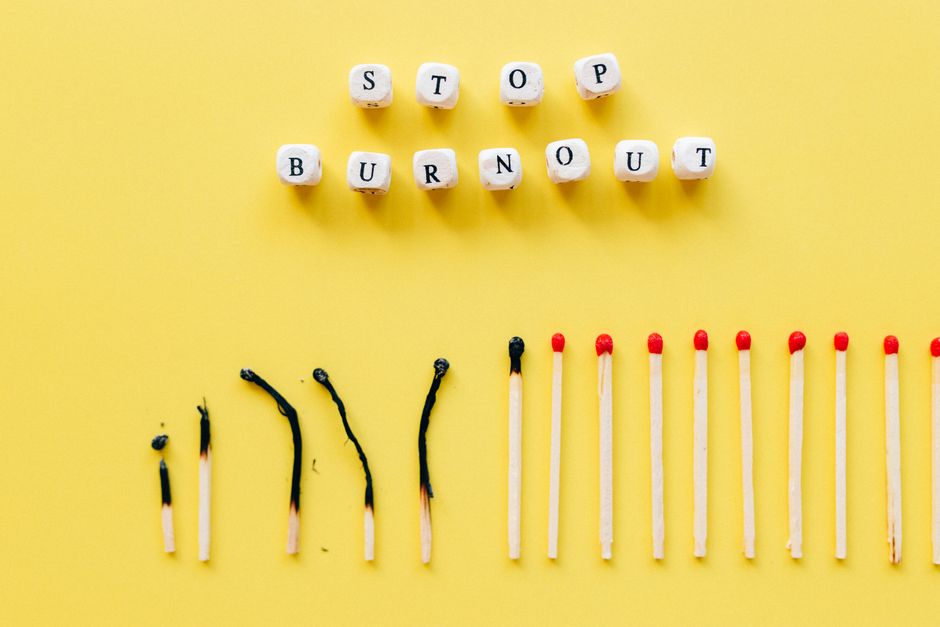
School stress can feel like it is squeezing the life out of you. Between deadlines, exams, and constant pressure, your brain and body start sending warning signals. Burnout is not a personal failure—it is a real physiological and psychological response to prolonged stress. You can manage it, and you can prevent it from taking over. The answer is not to push harder; it is to build a system that protects your energy while you get the work done.
What Does School Burnout Actually Feel Like?
Burnout is more than just being tired. It is a state of emotional, physical, and mental exhaustion caused by excessive and prolonged stress. You feel drained even after a full night of sleep. Work that used to be manageable now feels impossible.
Common signs include chronic fatigue, irritability, trouble concentrating, and a sense of detachment from your studies. You might notice you are skipping meals, sleeping poorly, or losing interest in things you used to enjoy. Some students experience physical symptoms like headaches, stomach problems, or frequent illness because stress suppresses immune function.
This is not laziness. Burnout changes how your brain processes information and regulates emotion. The stress hormone cortisol stays elevated, which interferes with memory, focus, and mood. Recognizing these signs early is the first step to stopping the spiral before it gets worse.
Why Do Students Burn Out More Than Ever?
Modern school demands more than academic performance. You are expected to balance coursework, extracurricular activities, social life, and often a job. Many students feel they must be perfect at everything, and that pressure has no off switch.
Digital connectivity makes it worse. When your phone buzzes with a new assignment or a group chat about an exam, your brain never fully disengages from school. Constant partial attention keeps your stress response switched on. Over weeks and months, this low-grade alertness wears down your mental reserves.
The structure of school itself contributes. You have little control over your schedule, frequent high-stakes evaluations, and limited recovery time between terms. This combination—high demand plus low control plus insufficient rest—is a textbook recipe for burnout.
How To Not Go Insane In School Or Burn Out?
The single most effective strategy is to build recovery into your daily schedule like it is a required class. Rest is not a reward for finishing work. Rest is the condition that makes work possible. Your brain consolidates learning during rest, not during cramming sessions.
Protect one evening per week completely. No homework, no studying, no checking the school portal. This is non-negotiable time for your brain to reset. Research consistently shows that mental downtime improves memory consolidation and creative problem-solving. You are not wasting time; you are doing essential processing work.
Second, break large assignments into small daily actions. A twenty-page paper becomes a ten-minute outline today, a paragraph tomorrow, a revision the next day. This reduces the dread that comes from looking at a massive task. Small consistent progress also gives you daily wins, which protect your motivation.
Third, separate your physical space from your study space if you can. If you study in your bed, your brain associates sleep with alertness and alertness with sleep. Neither works well. If you live in one room, create a specific chair or corner that is only for schoolwork. When you leave that spot, school is over.
Finally, set a hard stop time. Decide when your work day ends, and honor it. Even if you have unfinished tasks, stopping at a consistent time trains your brain to shift gears. You will get more done in focused hours than in exhausted marathon sessions.





What Actually Works When You Feel Overwhelmed?
When you are in the middle of a stressful week, your instinct might be to work faster and sleep less. That is exactly backwards. Sleep deprivation impairs the prefrontal cortex, which is the part of your brain responsible for planning, decision-making, and emotional regulation. You become less efficient and more reactive.
Prioritize sleep as your primary study tool. Most adults need seven to nine hours per night. If you are sleeping less than that during exam season, you are not gaining study time—you are borrowing it from your brain at a high interest rate.
Use short breaks strategically. The Pomodoro technique—working in focused intervals with short breaks—has strong support for maintaining concentration. A typical pattern is 25 minutes of work followed by 5 minutes of rest, though some people do better with 50-minute blocks. During the break, stand up, stretch, or look at something far away. Do not scroll social media; that keeps your brain active instead of letting it recover.
Movement matters more than you think. A brisk ten-minute walk between study sessions increases blood flow to the brain and clears stress hormones. You do not need a gym membership. You need to move your body regularly enough to interrupt the physical effects of sitting and stressing.
How To Study Smarter Without Working Longer
Many students study longer than they need to because their methods are inefficient. Passive rereading and highlighting feel productive but produce weak learning. Active recall—testing yourself without looking at the material—is far more effective for long-term retention.
Try this: after reading a section, close the book and write down everything you remember. Then check what you missed. This feels harder than rereading because it is harder. That difficulty is exactly what strengthens your memory. Spaced repetition, where you review material at increasing intervals, works on the same principle.
Interleaving is another evidence-backed technique. Instead of studying one subject for hours, switch between related topics. This forces your brain to discriminate between concepts, which improves your ability to apply knowledge on exams. It feels less comfortable but produces better results.
If you are consistently spending more than six hours per day on focused study, you are likely hitting diminishing returns. Your brain has a limited capacity for intense concentration. After a certain point, additional hours produce very little learning and increase your risk of burnout.
When Should You Get Professional Help?
Sometimes burnout crosses into depression or anxiety that requires professional support. If you have felt hopeless for more than two weeks, lost interest in activities you used to enjoy, or had thoughts of self-harm, tell someone you trust immediately. These are not signs of weakness; they are medical conditions that respond to treatment.
Many schools offer counseling services at no cost to students. A therapist can help you develop coping strategies specific to your situation. If your school does not provide services, your primary care doctor can refer you to a mental health professional.
There is no shame in asking for help. The same way you would see a doctor for a broken arm, you should see a professional for a struggling mind. Burnout left untreated can lead to more serious mental health conditions, academic failure, or physical illness.
Can Diet And Exercise Really Make A Difference?
Yes, but not in the way wellness marketing suggests. There is no single food that boosts your grades. However, consistently poor nutrition makes concentration and mood regulation harder. Your brain consumes about 20 percent of your daily energy, and it needs steady fuel to function.
Eating regular meals with protein, fiber, and healthy fats keeps your blood sugar stable. Skipping meals leads to energy crashes that feel like fatigue and brain fog. Hydration matters too—even mild dehydration impairs attention and memory.
Exercise has a direct effect on stress. Physical activity reduces cortisol and increases endorphins, which are natural mood elevators. It also improves sleep quality, which compounds its benefits. You do not need intense workouts. Moderate activity like brisk walking, cycling, or swimming for 30 minutes most days is enough to make a measurable difference in stress levels.
Caffeine is a double-edged sword. A moderate amount can improve alertness, but too much—especially in the afternoon—disrupts sleep. If you rely on energy drinks or multiple coffees to get through the day, you are masking fatigue rather than solving it. The underlying problem is likely insufficient rest, not insufficient caffeine.
What Is The Difference Between Stress And Burnout?
Stress and burnout are related but distinct states. Stress is a response to immediate demands. It comes with a sense of urgency and a feeling that you can manage if you push through. Burnout is the result of prolonged stress without adequate recovery. It is characterized by exhaustion, cynicism, and a sense of reduced accomplishment.
Stress feels like being overloaded. Burnout feels like being empty. A student under stress might say, “I have too much to do.” A burned-out student might say, “I have nothing left to give.” Stress responds to reducing workload. Burnout requires a longer period of rest and a change in how you approach work.
Understanding the difference matters because the solutions are different. If you are stressed, better time management might help. If you are burned out, you need to rebuild your energy reserves before you can think clearly about time management.
Frequently Asked Questions
How long does it take to recover from school burnout?
Mild burnout can improve within a few weeks of consistent rest and reduced workload. More severe burnout may take several months of intentional recovery, including professional support if symptoms persist.
Can you prevent burnout while still getting good grades?
Yes. Efficient study methods like active recall and spaced repetition produce better results in less time than passive studying. Consistent sleep and scheduled breaks protect your performance while reducing stress.
Is it normal to cry from school stress?
Yes. Crying is a normal physiological response to overwhelming stress and can actually release tension. If you are crying frequently or feeling hopeless, that is a sign to seek support from a counselor or healthcare provider.
What should I do if I feel burned out right now?
Stop pushing through and rest today. Sleep, eat a real meal, and take a complete break from schoolwork for at least one evening. Then make a plan to reduce your workload gradually and build recovery time into your schedule.
