

Feeling high and starting to panic is more common than most people admit. The first thing to know is that cannabis-related anxiety and panic are usually temporary and not physically dangerous for most healthy adults. What actually helps is simple: change your environment, slow your breathing, drink water, and remind yourself that this feeling will pass. Below is what the evidence supports, what is uncertain, and what to avoid.
Why Does Being High Sometimes Turn Into Panic?
Cannabis contains compounds called cannabinoids. The main one tied to the “high” is THC. THC binds to receptors in the brain and nervous system, and one of the effects is that it can increase heart rate and change how you perceive time, sound, and your own body.
For some people, those physical changes get interpreted by the brain as a threat. A faster heartbeat becomes “something is wrong.” A distorted sense of time becomes “this will never end.” That interpretation loop is what turns a manageable high into a panic attack.
This is not a sign of weakness. It is a well-documented effect. Research and clinical reports have long noted that THC can trigger acute anxiety and panic in some users, especially at higher doses or in people who are already prone to anxiety. The effect is dose-related in many cases, meaning more THC generally means more risk of this reaction.
Other factors that raise the odds include:
- Using a much higher dose than usual
- Edibles, which are absorbed differently and can produce stronger, longer-lasting effects than smoking
- Being in an unfamiliar or overwhelming setting
- Mixing cannabis with alcohol or other substances
- Having an underlying anxiety or panic disorder
- Low tolerance after a break from use
One important thing to understand: the feeling is being driven by a drug effect on your nervous system, not by a real emergency happening in your body. That distinction matters, because it gives you something concrete to hold onto.
How To Not Freak Out When High What Actually Helps?
The short answer is that you calm your body first, then your mind follows. Panic feeds on physical arousal, so interrupting the physical response is the most reliable first move.
Here is what tends to help, in order:
- Change your setting. Move to a quieter, calmer, more familiar space. If you are in a crowd or a bright, loud room, leave it.
- Slow your breathing. Breathe in through your nose for a slow count, then out for a slightly longer count. Extending the exhale is the part that tends to calm the nervous system.
- Drink water. It will not “flush out” THC in any meaningful way, but it gives you a simple, grounding action and helps with dry mouth.
- Ground yourself in the room. Name five things you can see, four you can touch, three you can hear. This pulls attention out of the panic loop and into the present.
- Remind yourself of the timeline. Smoked cannabis effects typically peak within 10 to 30 minutes and ease over a few hours. Edible effects come on slower, often within 30 minutes to 2 hours, and can last several hours. Knowing roughly how long this lasts reduces the fear that it is permanent.
- Do not fight it. Trying to force the feeling away often makes it stronger. Letting it be there while you do calming actions tends to work better.
What does not help: checking your heart rate repeatedly, searching symptoms on your phone, or taking more of anything. Those tend to feed the loop.
There is no established clinical dose of anything that “reverses” being high. Some people report that chewing black peppercorns or smelling peppermint helps, but this is anecdotal. No large human trials confirm it. Treat it as harmless if you want to try it, not as a proven remedy.
Is Being Too High Dangerous?
For most healthy adults, a cannabis high that feels scary is not physically dangerous. There is no known lethal dose of THC in humans, and deaths from cannabis alone are not a documented medical event.
That said, “not usually dangerous” is not the same as “always safe.” Real risks exist and are worth knowing:
- Heart effects. Cannabis can raise heart rate and change blood pressure. In people with existing heart disease, there are case reports linking cannabis use to heart problems. If you have a heart condition, this is a genuine concern.
- Severe vomiting. A condition called cannabinoid hyperemesis syndrome causes repeated, severe vomiting in some long-term, heavy users. It is not the same as a panic reaction, but it can occur.
- Psychosis risk. High-THC cannabis is associated with an increased risk of psychotic symptoms, particularly in people with a personal or family history of psychosis. This is a serious and well-documented concern, not a rare fluke.
- Injury risk. Being very high impairs judgment, coordination, and reaction time. Accidents and injuries are a real danger, especially if driving or operating anything.
If you have chest pain, severe shortness of breath, fainting, or symptoms that feel clearly different from a normal high, seek medical help. Do not wait it out if something feels genuinely wrong.
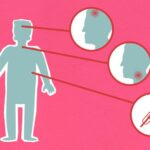




What Should You Do If Someone Else Is Freaking Out?
Stay calm yourself, because your calm is contagious. Speak slowly and in short, simple sentences. Do not argue with them or tell them they are being dramatic.
Practical steps that help:
- Move them somewhere quiet and safe
- Sit with them rather than leaving them alone
- Remind them, calmly and repeatedly, that this will pass and that they are safe
- Offer water
- Guide slow breathing with them, out loud, so they have something to follow
- Keep the room dim and reduce noise if possible
Do not give them more of any substance, including alcohol, to “calm down.” That tends to make things worse.
Call emergency services if the person is unresponsive, having trouble breathing, has chest pain, is having seizures, or is a danger to themselves or others. When in doubt, call. It is far better to overreact than to miss something serious.
How Do You Reduce the Chance of This Happening Again?
The most reliable way to avoid a repeat is to lower your dose and go slower. THC effects are dose-dependent, so using less is the single most effective change most people can make.
Other things that help:
- Start low with edibles. Edibles are a common cause of overdoing it because the effects take a while to show up, so people take more before the first dose kicks in. Wait the full onset window before taking more.
- Avoid mixing with alcohol. Combining substances makes the experience less predictable and harder to manage.
- Choose your setting. Use in calm, familiar places, especially when trying a new product or dose.
- Note the THC content. Products vary widely. Higher-THC products are more likely to trigger anxiety.
- Know your own history. If you have an anxiety disorder or a family history of psychosis, cannabis carries more risk for you, and it is worth talking to a doctor before using it.
Some people find that certain cannabis strains feel calmer than others, often those with more CBD relative to THC. The evidence here is limited. Some studies suggest CBD may soften some THC effects, but results vary and this is not firmly established. It is reasonable to be cautious about treating any strain as reliably “safe.”
When Should You Talk To A Doctor?
Talk to a doctor if panic reactions happen often, if they are getting worse, or if they are pushing you to use more to cope. Frequent panic from cannabis can be a sign that your body is not tolerating it well.
You should also get medical input if you have:
- A heart condition or a history of heart problems
- A personal or family history of psychosis or schizophrenia
- An anxiety or panic disorder
- Repeated severe vomiting
- Symptoms that continue long after the high should have worn off
There is no clinical guideline that recommends cannabis for managing anxiety. Some people report it helps them relax, but the evidence is mixed, and for some people it clearly makes anxiety worse. That is an honest summary of where the research stands.
Frequently Asked Questions
How long does being too high last?
Smoked cannabis effects usually peak within 10 to 30 minutes and ease over a few hours, while edibles can take 30 minutes to 2 hours to kick in and last several hours. The exact timeline depends on dose, product, and how you consumed it.
Can being too high kill you?
There is no known lethal dose of THC in humans, and deaths from cannabis alone are not a documented medical event. Serious risks still exist, including heart effects, severe vomiting, and psychosis, especially in people with certain health conditions.
Does drinking water or eating help you come down?
Water and food do not meaningfully speed up how fast THC leaves your system, but they give you a grounding action and can ease dry mouth. No proven method exists to instantly reverse a high.
What should I do if I think I’m having a panic attack from weed?
Move to a calm, quiet place, slow your breathing with longer exhales, drink water, and remind yourself the feeling is temporary. If you have chest pain, trouble breathing, or fainting, seek emergency help right away.
