
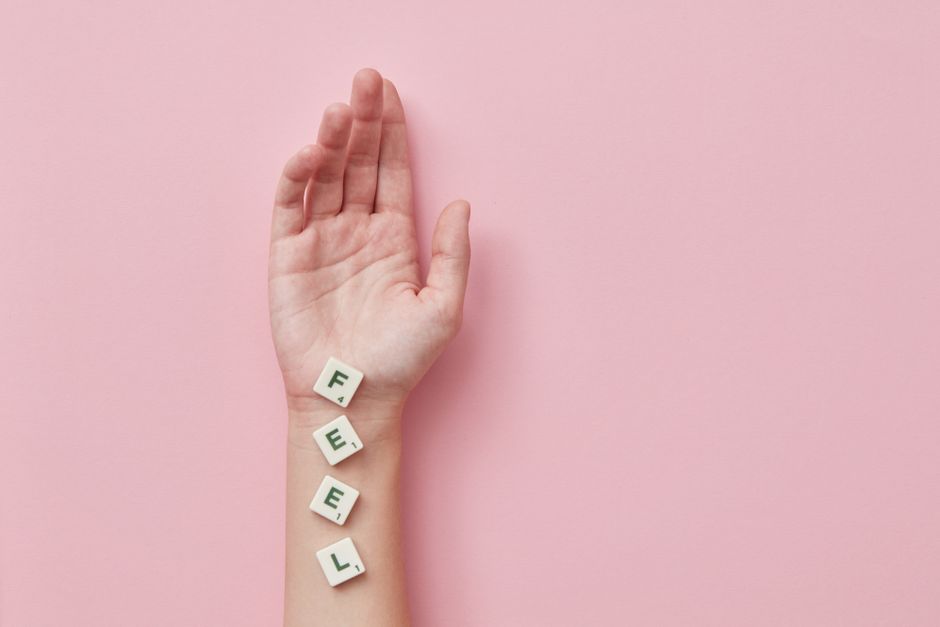
The feeling of being “fat” is rarely about the number on the scale alone. It is a physical sensation and an emotional state tangled together. For many people, this feeling is a signal from the body about inflammation, digestion, or water retention, not a true measure of body fat. Understanding what is actually happening in your body is the first step to changing how you feel.
Why Do I Feel Fat Even When My Weight Is Normal?
You can feel heavy, bloated, and swollen without gaining actual fat tissue. This disconnect happens because the body holds onto fluid and gas in ways that change how your clothes fit and how your body feels.
Water retention is a primary culprit. When your body retains sodium, it holds onto water to maintain balance. This can add several pounds of temporary weight that has nothing to do with fat cells. Hormonal shifts, particularly in women during the menstrual cycle, can also cause significant fluid retention.
Bloating in the abdomen creates a similar sensation. Gas trapped in the digestive tract stretches the intestinal walls. This produces a feeling of fullness and tightness that many describe as feeling fat. It is a mechanical issue, not a metabolic one.
What Is the Difference Between Bloating and Fat?
Fat tissue is stored energy that builds up over weeks and months. Bloating is a temporary accumulation of gas or fluid that can change hour to hour. The distinction matters because the solutions are completely different.
Fat is soft and distributed across the body. Bloating is concentrated in the abdomen and often accompanied by a visibly distended stomach. If your waist measurement changes dramatically from morning to night, that is bloating. True fat gain does not fluctuate that quickly.
One way to tell the difference is timing. Bloating often follows a meal or builds throughout the day. It may be worse after eating certain foods. Fat gain is gradual and does not disappear overnight or after a bowel movement.
How Does Water Retention Make You Feel Fat?
Water retention is the body holding excess fluid in the tissues. This is often caused by a diet high in sodium, certain medications, or hormonal changes. The fluid accumulates in the extremities and the abdomen, creating a swollen, heavy feeling.
When you eat a high-sodium meal, your kidneys hold onto water to dilute the salt. This can add two to four pounds of water weight within hours. For people sensitive to salt, the effect is even more pronounced.
Carbohydrates also play a role. For every gram of carbohydrate stored in the muscles, the body stores about three grams of water. A sudden increase in carb intake, like a weekend of pasta and bread, can cause noticeable water weight gain that feels like fat.





Can Stress Make You Feel Fat?
Stress changes how the body feels from the inside out. The stress hormone cortisol can increase water retention and slow digestion. This combination produces a puffy, heavy sensation that has nothing to do with actual fat accumulation.
Stress also affects the gut directly. The digestive system slows down under stress, which means food moves through the intestines more slowly. This can lead to constipation and increased bloating. The physical feeling of a full, sluggish gut is often described as feeling fat.
There is also a psychological component. Stress makes people more aware of their bodies and more critical of their appearance. A minor amount of bloating that would normally go unnoticed can feel overwhelming during a stressful period.
What Foods Trigger the Feeling of Being Fat?
Certain foods are more likely to cause bloating and water retention. These foods do not create fat overnight, but they do create the physical sensation of being fat.
- High-sodium processed foods cause immediate water retention
- Carbonated drinks introduce gas directly into the digestive tract
- Beans and lentils contain complex sugars that ferment in the gut
- Cruciferous vegetables like broccoli and cabbage produce gas during digestion
- Artificial sweeteners can alter gut bacteria and increase gas production
- Dairy products cause bloating in people with lactose intolerance
Food sensitivities are another factor. When the body cannot properly digest a specific food, it triggers an inflammatory response in the gut. This causes water retention and swelling in the intestinal lining. The result is a distended abdomen that feels heavy and uncomfortable.
How To Not Feel Fat Whats Really Going On?
The feeling of being fat is often a combination of three things: water retention, digestive gas, and body perception. Addressing the physical causes can change how you feel quickly, often within days.
Reducing sodium intake is the fastest way to release excess water. Processed foods, restaurant meals, and packaged snacks are the main sources of hidden sodium. Cooking at home with fresh ingredients gives you control over salt intake.
Increasing potassium intake helps balance sodium levels. Potassium-rich foods like bananas, sweet potatoes, and leafy greens encourage the kidneys to excrete excess sodium and water. Staying hydrated also helps, because dehydration causes the body to hold onto fluid more aggressively.
For bloating, eating slowly and chewing thoroughly reduces the amount of air swallowed during meals. Regular physical activity stimulates the digestive tract and helps move gas through the system. Even a short walk after eating can provide relief.
When Should You See a Doctor About Feeling Fat?
Occasional bloating and water retention are normal. But persistent symptoms can signal an underlying condition that needs medical attention. If the feeling of being fat is constant and accompanied by other symptoms, it is worth discussing with a healthcare provider.
Sudden and severe abdominal swelling that lasts for days should be evaluated. This can indicate fluid accumulation in the abdomen, known as ascites, which is a sign of liver or heart problems. A doctor can determine whether this is a concern.
Digestive conditions like irritable bowel syndrome, celiac disease, or small intestinal bacterial overgrowth can cause chronic bloating. These conditions require specific testing and treatment. They will not resolve with diet changes alone.
If bloating is accompanied by unintended weight loss, blood in the stool, or severe pain, seek medical care promptly. These symptoms require proper evaluation, not home remedies.
Frequently Asked Questions
Can drinking more water reduce the feeling of being fat?
Yes, drinking more water helps the kidneys flush out excess sodium and reduces water retention. Dehydration actually causes the body to hold onto fluid, making the feeling worse.
How long does water retention last?
Water retention typically resolves within two to five days after the cause is removed. Reducing sodium intake and increasing potassium can speed up this process.
Does exercise help with bloating?
Yes, physical activity stimulates the digestive system and helps move trapped gas through the intestines. Even light walking can provide noticeable relief from abdominal bloating.
Is feeling fat a sign of poor health?
Not necessarily, temporary bloating and water retention are normal bodily responses. However, persistent symptoms that interfere with daily life should be evaluated by a doctor.
