
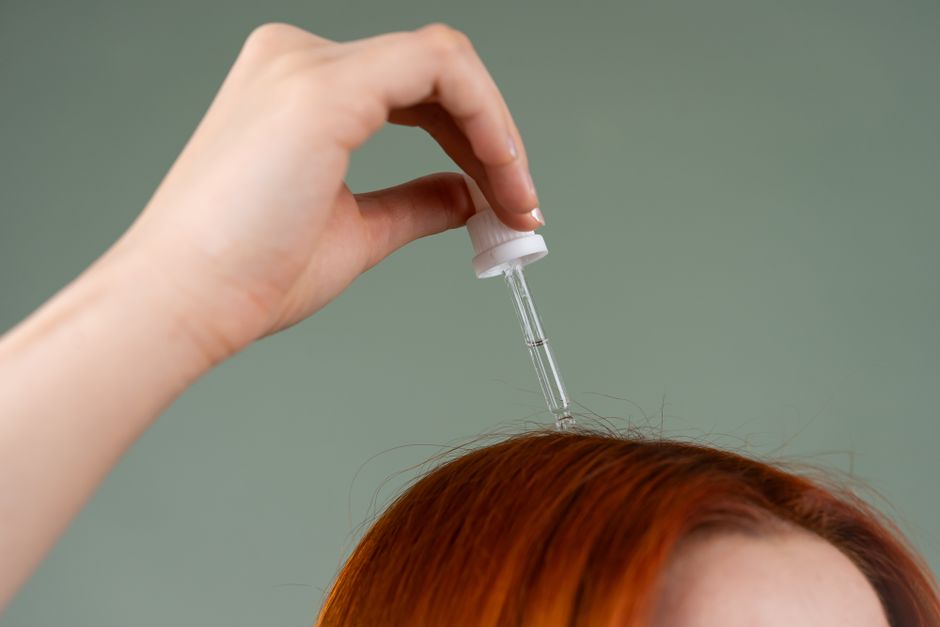
Hair loss is frustrating, and the internet is full of promises that simply do not hold up. The truth is that some natural remedies have real evidence behind them, while others are pure marketing. If you want to stop hair loss naturally, you need to focus on the causes you can actually influence—nutrient deficiencies, stress, and scalp health—and skip the gimmicks. The most effective natural approaches target specific, proven mechanisms like iron levels, vitamin D, and protein intake, not vague promises of “revitalizing” your scalp.
What Actually Causes Hair Loss in Men and Women?
Before you can treat hair loss, you need to know what is driving it. The most common cause is genetics, known as androgenetic alopecia. This affects both men and women, though the pattern differs. For men, it usually starts with a receding hairline or thinning at the crown. Women typically see widening of the part line or overall thinning without a receding hairline.
Genetics is not the only cause. Telogen effluvium is a temporary condition where stress, illness, or a major life event pushes hair follicles into a resting phase. This leads to noticeable shedding two to three months after the trigger. This type of hair loss usually resolves on its own within six months.
Nutritional deficiencies are another common cause. Low iron, low vitamin D, and inadequate protein can all slow hair growth. So can thyroid disorders and hormonal changes like those after pregnancy or during menopause. If your hair loss started suddenly or is patchy, see a doctor. Sudden shedding or bald patches can signal an autoimmune condition like alopecia areata.
How To Naturally Stop Hair Loss Remedies That Work
Natural remedies work best when they address a specific deficiency or trigger. They do not work for genetic hair loss. If you have a family history of pattern baldness, no essential oil or supplement will reverse that process. That requires medical treatment like minoxidil or finasteride.
For everyone else, the first step is a blood test. Ask your doctor to check ferritin, vitamin D, and thyroid function. Ferritin reflects your stored iron. Many dermatologists consider a ferritin level below 30 ng/mL a problem for hair growth, even if your hemoglobin is normal. Vitamin D deficiency is also linked to hair shedding, though the exact mechanism is not fully understood.
Once you know what is low, you can fix it with diet or supplements. Iron from food is better absorbed when paired with vitamin C. Vitamin D comes from sun exposure and fatty fish. If you are deficient, supplements are appropriate—but only at the dose your doctor recommends. Taking extra iron when you do not need it can be harmful.
Does Scalp Massage Really Stimulate Hair Growth?
Scalp massage is one of the few natural remedies that has direct scientific support, though the evidence is early. A small study published in the journal ePlasty found that men who performed four minutes of standardized scalp massage daily for 24 weeks showed thicker hair at the end of the study. The researchers believed the mechanical stretching of the skin influenced the cells in the hair follicles.
Another study from Japan measured the effects of scalp massage on hair thickness. Participants who received regular scalp massages had thicker hair after 24 weeks compared to baseline. The effect was modest, but real. Massage improves blood flow to the scalp and may reduce tension in the tissue around the follicles.
There is no downside to scalp massage. It is free, relaxing, and may reduce stress, which is itself a contributor to shedding. Just do not expect it to regrow hair on a bald spot. The evidence supports thicker existing hair, not new follicle formation.




Do Essential Oils Like Rosemary Work for Hair Loss?
Rosemary oil is the most studied essential oil for hair loss. A well-known trial compared rosemary oil to minoxidil 2% in men with androgenetic alopecia. After six months, both groups showed significant increases in hair count. The rosemary oil group also reported less scalp itching as a side effect.
That study was small and has not been widely replicated, but the results are promising enough that many dermatologists mention rosemary oil as a reasonable natural option. The proposed mechanism is improved blood circulation and anti-inflammatory effects on the scalp.
If you try rosemary oil, dilute it properly. Essential oils are potent and can cause contact dermatitis when applied undiluted. Mix a few drops into a carrier oil like jojoba or coconut oil before applying to the scalp. Stop if you develop redness, itching, or burning.
Peppermint oil has also shown some promise in animal studies. In one mouse study, peppermint oil promoted hair growth faster than minoxidil. But mouse skin is not human skin. Treat peppermint oil as unproven in humans until clinical trials show otherwise.
Which Supplements Have Real Evidence?
The supplement market for hair loss is enormous and mostly unregulated. Most products contain a blend of vitamins and botanicals with little to no clinical backing. A few supplements do have evidence, but they work only if you have a deficiency.
Saw palmetto is one of the most common hair loss supplements. The theory is that it blocks the enzyme 5-alpha-reductase, which converts testosterone to DHT—the hormone responsible for genetic hair loss. Some studies show modest benefit, but results are inconsistent. It is not a substitute for finasteride, the prescription medication that works through the same pathway.
Biotin is the most overhyped supplement for hair. Biotin deficiency does cause hair loss, but it is extremely rare. Most people get enough biotin from their diet. Taking extra biotin will not help unless you are genuinely deficient. High-dose biotin can also interfere with lab tests, including thyroid panels, producing falsely abnormal results.
Iron and vitamin D are the supplements with the strongest evidence—but only when deficiency exists. Some research suggests that women with hair loss are more likely to have low ferritin than women without hair loss. Replacing iron to normal levels can help stop shedding, though regrowth can take months.
Zinc deficiency is also linked to hair loss, but zinc supplementation has not been shown to help people with normal zinc levels. Too much zinc can cause copper deficiency, which comes with its own problems.
Can Diet Alone Prevent or Reverse Hair Loss?
Hair is made of a protein called keratin. If you do not eat enough protein, your body prioritizes other functions over hair growth. Severe protein restriction can cause shedding within weeks. Most people eating a standard Western diet get enough protein, but restrictive diets and some plant-based diets can fall short.
Beyond protein, the key nutrients for hair are iron, zinc, vitamin D, and the B vitamins. These are not exotic. They come from meat, eggs, leafy greens, nuts, seeds, and legumes. A balanced diet covers most of these. If you eat a varied diet, you probably do not need a hair-specific supplement.
One nutrient deserves special mention: vitamin C. It helps you absorb iron from plant sources and is needed for collagen production, which is part of the hair shaft. Citrus fruits, bell peppers, and strawberries are good sources. Pair them with iron-rich foods like spinach or lentils to boost absorption.
Crash diets and rapid weight loss are a common cause of temporary hair loss. If you lose more than 15 pounds in a few months, you may notice increased shedding. This is your body’s stress response to the calorie deficit. It usually resolves when your weight stabilizes.
When Natural Remedies Are Not Enough
If your hair loss is genetic, natural remedies will not stop it. You will need to accept that or pursue medical treatment. Minoxidil, available over the counter, is the most accessible option. It is approved by the FDA for hair regrowth and works for many people, but it requires daily application indefinitely. If you stop, the regrown hair falls out.
Finasteride is a prescription pill for men that blocks DHT production. It is effective but carries risks including sexual side effects and, rarely, mood changes. Women who are pregnant or may become pregnant should not handle crushed or broken finasteride tablets.
Low-level laser therapy is another option. Some devices are FDA-cleared for hair growth. The evidence is modest but real, and the devices are safe when used as directed. They are expensive, and results vary.
See a dermatologist if your hair loss is sudden, patchy, or accompanied by scalp pain or redness. These symptoms can indicate conditions that require medical treatment, not natural remedies. A dermatologist can also perform a scalp biopsy to diagnose the specific type of hair loss you have.
Frequently Asked Questions
How long does it take for natural hair loss remedies to work?
Hair grows slowly, so expect at least three to six months of consistent use before you see any difference. If a remedy has not shown improvement after six months, it is probably not working for you.
Can stress alone cause hair loss?
Yes, severe stress can trigger telogen effluvium, a condition where hair sheds excessively a few months after a stressful event. The shedding usually stops on its own once stress levels return to normal.
Is biotin effective for stopping hair loss?
Biotin only helps if you have a true deficiency, which is rare. Most people get enough biotin from food, and extra doses will not regrow hair or stop genetic hair loss.
Does rosemary oil work as well as minoxidil?
One small study found rosemary oil performed similarly to minoxidil 2% over six months, but more research is needed. It is a reasonable natural option, but it will not work for everyone.
