
Feeling your baby sitting low in your pelvis can make every step feel heavy. The pressure can be sharp, dull, or constant. It often gets worse at the end of the day or after standing for a while. The good news is that some simple changes in position and daily habits can help ease that pressure. You cannot actually move your baby higher on command, but you can change how your body carries the weight. That is what makes the difference.
How To Move Baby Up From Pelvis And Ease Pressure?
You cannot directly move your baby up from your pelvis. Your baby moves on its own schedule. What you can do is change your own posture, alignment, and daily habits to take pressure off your pelvic floor and shift some of the weight.
As pregnancy progresses, your baby’s head or bottom settles lower into your pelvis. This is called engagement. It is a normal part of late pregnancy. The pressure you feel comes from your baby’s position pressing down on your pelvic bones, muscles, and nerves.
Certain positions and movements can encourage your baby to shift slightly. They can also reduce the downward force on your pelvis. These include:
- Pelvic tilts on hands and knees
- Standing with a wide, supported stance
- Using a pregnancy support belt
- Sleeping on your side with a pillow between your knees
- Avoiding prolonged standing or sitting in one position
None of these methods are guaranteed to move your baby. But many people find they ease the pressure and make daily movement more comfortable. The goal is not to force a change. It is to support your body so it can carry the weight more comfortably.
Why Does It Feel Like The Baby Is Sitting So Low?
Feeling like your baby is sitting very low is common in the third trimester. Several things cause this sensation.
First, your baby is growing. As it gets bigger, it takes up more space in your pelvis. The head or bottom presses down on your pelvic floor muscles and bones.
Second, your ligaments soften during pregnancy. The hormone relaxin loosens the joints and ligaments in your pelvis. This helps prepare your body for birth. But it also means your pelvis has less stability. That can make the pressure feel stronger.
Third, your posture changes. As your belly grows, your center of gravity shifts forward. Many people lean back to balance. This can tilt the pelvis and increase downward pressure.
Fourth, your baby’s position matters. If your baby is head-down and low, you may feel more pressure in your pelvis. If your baby is breech or sideways, the pressure may feel different.
Some people feel this pressure earlier than others. It depends on your body, your baby’s size, and whether this is your first pregnancy. People who have been pregnant before often feel the baby drop earlier because their pelvic muscles are more relaxed.
What Positions Help Relieve Pelvic Pressure?
Certain positions take weight off your pelvis and may help your baby shift slightly. The key is to use gravity and alignment to your advantage.
Hands and knees is one of the most helpful positions. Get on all fours with your knees under your hips and your hands under your shoulders. Let your belly hang down. This takes pressure off your spine and pelvis. You can rock gently forward and back or do pelvic tilts. Many people find this position encourages the baby to move away from the pelvis.
Side-lying with support is good for rest. Lie on your left side. Put a pillow between your knees and another under your belly. This keeps your pelvis aligned and reduces pressure on your lower back and pelvic floor.
Standing with a wide stance can help. Stand with your feet slightly wider than your hips. Keep your weight even on both feet. Avoid locking your knees. You can lean forward slightly and rest your hands on a counter or chair. This position opens the pelvis and may reduce downward pressure.
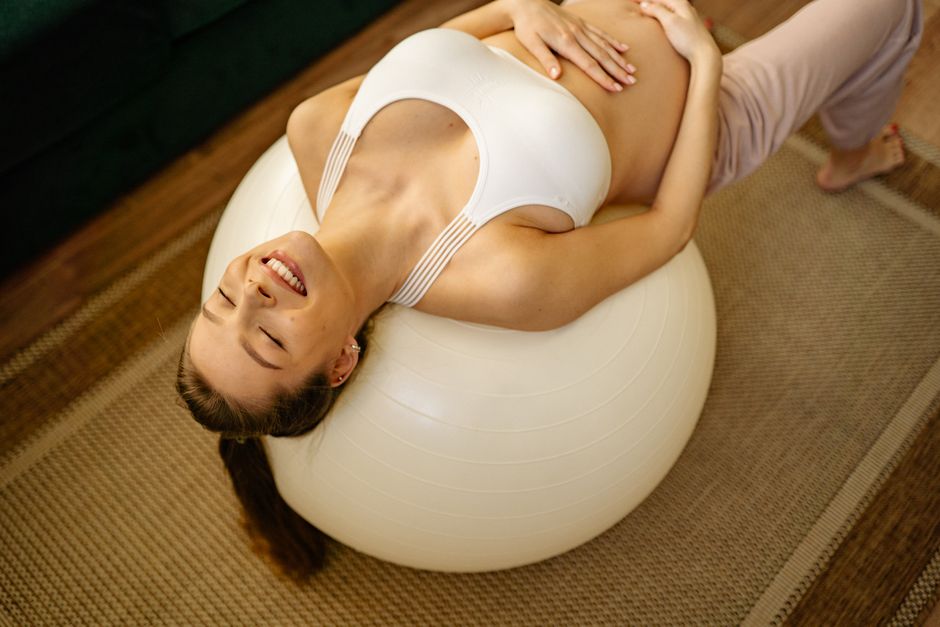
Sitting on a birth ball is another option. Sit upright with your feet flat on the floor. Gently rock your hips side to side or in circles. This can help your baby settle into a better position and ease pressure.
Avoid standing for long periods. Avoid sitting in a deep, soft chair that makes you slouch. Avoid crossing your legs. These positions can increase pressure on your pelvis.





Can A Support Belt Help With Pelvic Pressure?
A pregnancy support belt can help some people. It wraps around your lower back and under your belly. It lifts the weight of your belly off your pelvis. This can reduce pressure and make walking more comfortable.
Support belts are widely used. Some studies suggest they can reduce pelvic girdle pain and improve function. But the evidence is not strong. Results vary from person to person. Some people find them very helpful. Others do not notice much difference.
If you want to try one, look for a belt that fits snugly but not tightly. It should not dig into your skin or restrict your breathing. Wear it for short periods when you are active. Take it off when you rest. Talk to your healthcare provider before using one, especially if you have any complications.
A support belt is not a treatment for a medical condition. It is a comfort aid. It may help you feel more stable. It does not change your baby’s position.
When Should You Be Concerned About Pelvic Pressure?
Some pelvic pressure is normal in late pregnancy. But certain signs mean you should call your healthcare provider right away.
Call your provider if you have:
- Pressure that comes with a gush of fluid or a trickle of fluid
- Regular contractions before 37 weeks
- Bleeding from the vagina
- Severe pain that does not go away when you change position
- A feeling that something is bulging into your vagina
- Pressure that suddenly gets much worse
These can be signs of preterm labor, infection, or other complications. Do not wait to see if they go away. Call your provider.
Also talk to your provider if the pressure makes it hard to walk, urinate, or sleep. Pelvic floor physical therapy can help. A trained therapist can teach you exercises to strengthen or relax your pelvic floor muscles. This can reduce pain and improve function. Some research shows pelvic floor therapy helps with pregnancy-related pelvic girdle pain.
What Daily Habits Reduce Pelvic Pressure?
Small changes in your daily routine can make a big difference. The goal is to reduce the time you spend in positions that push your baby down into your pelvis.
Change positions often. Do not stand or sit in one spot for more than 30 minutes. Get up and move around. Even a short walk to the kitchen helps.
Use good posture. Stand tall. Keep your shoulders back. Do not lock your knees. When you sit, use a chair with good back support. Put your feet flat on the floor. Avoid slouching.
Sleep on your side. Side-sleeping is recommended during pregnancy. It improves blood flow to you and your baby. It also takes pressure off your pelvis. Use pillows to support your belly and between your knees.
Do gentle exercises. Pelvic tilts, cat-cow stretches, and prenatal yoga can help. They strengthen your core and pelvic floor. They also improve flexibility. Avoid exercises that cause pain or put too much strain on your pelvis.
Wear supportive shoes. Flat shoes with good arch support are best. High heels shift your weight forward and increase pressure on your pelvis.
Watch your weight gain. Your healthcare provider will tell you how much weight gain is healthy for you. Too much weight gain can increase pressure on your pelvis and back.
Try warm baths. A warm bath can relax your muscles and ease pressure. Keep the water temperature comfortable, not hot. Avoid hot tubs and saunas.
These habits will not move your baby up. But they can make the pressure easier to manage. They also help your body prepare for labor and recovery.
Does The Baby Drop Before Labor?
Yes, many babies drop lower into the pelvis before labor. This is called lightening or engagement. It often happens a few weeks before labor for first-time parents. For people who have given birth before, it may not happen until labor starts.
When your baby drops, you may feel more pressure in your pelvis. But you may also feel relief in your upper belly. It becomes easier to breathe. You may also feel more pressure on your bladder, so you need to urinate more often.
Lightening does not mean labor is starting right away. It is just one sign that your body is getting ready. Your baby’s position and your body’s readiness both matter.
If you are concerned about your baby’s position or the pressure you feel, talk to your provider. They can check your baby’s position and give you personalized advice.
Frequently Asked Questions
Can I move my baby up from my pelvis by doing exercises?
No exercise can directly move your baby up. But positions like hands and knees can take pressure off your pelvis and may encourage your baby to shift slightly. Your baby moves on its own timeline.
What does it mean if my baby feels very low?
A low-feeling baby usually means your baby has engaged in your pelvis, which is normal in late pregnancy. If you also have fluid leaking, bleeding, or regular contractions before 37 weeks, call your provider right away.
Do pregnancy support belts help with pelvic pressure?
Some people find support belts helpful for reducing pelvic pressure and improving comfort. The evidence is not strong, and results vary. Talk to your provider before using one.
When should I worry about pelvic pressure during pregnancy?
Call your provider if the pressure comes with fluid leaking, bleeding, regular contractions before 37 weeks, or severe pain that does not go away. These can be signs of preterm labor or other complications.
