

Qi (pronounced “chee”) is a central idea in traditional Chinese medicine, or TCM. It describes a life force or vital energy said to flow through the body along pathways called meridians. Practices like tai chi, qigong, acupuncture, and eating specific foods are all traditional ways people try to keep that flow balanced. If you want to understand how to balance qi practices, foods, and pressure points, the honest starting point is this: these are traditional concepts, not measured forces. The practices themselves — gentle movement, a plant-rich diet, and calming routines — have real, well-documented benefits. The explanation that they work by moving “qi” is a traditional framework, not a scientific finding.
What Does “Qi” Actually Mean in Traditional Chinese Medicine?
In TCM theory, qi is the vital substance that animates the body and keeps organs working. It is said to move through meridians, and when its flow is blocked or unbalanced, illness is thought to follow.
It is important to separate the traditional model from measurable biology. No scientific instrument has detected qi as a physical substance. There is no blood test, scan, or device that measures it. That does not mean the practices built around the concept are worthless — it means the explanation is a philosophical and cultural framework rather than a measurable one.
Think of it like this. A traditional system can produce useful habits even when its underlying theory does not map onto modern physiology. Tai chi is a good example. The slow, deliberate movements clearly improve balance and strength. Whether or not they “move qi” is a separate question from whether they help you.
This distinction matters for your decisions. If you treat qi as a metaphor for overall vitality and healthy routine, the practices make sense. If you treat it as a literal energy you must “fix,” you may spend money on products and services that make claims no one has verified.
How Do Tai Chi and Qigong Fit Into Balancing Qi?
Movement is the most studied part of the qi tradition, and it is where the evidence is strongest. Tai chi and qigong are slow, flowing movement practices that combine gentle motion, breathing, and mental focus.
Research on tai chi is fairly consistent for certain outcomes. Studies have found that it can improve balance and reduce falls in older adults. Some research suggests it may help with sleep quality and general mood. These findings are about the exercise itself, not about qi as a force.
The reason is not mysterious. Any regular, gentle movement program that builds leg strength, improves coordination, and lowers stress will tend to help balance and mood. Tai chi is simply a well-structured way to get those benefits, and it is low-impact enough for many people who cannot do more vigorous exercise.
Qigong is similar but often simpler, with fewer and more repetitive movements. The evidence base for qigong is smaller and more mixed than for tai chi. Some studies suggest benefits for stress and quality of life, but the research is less consistent.
- Both are generally low-impact and can be adapted for many fitness levels.
- The balance and strength benefits are the best-supported reasons to try them.
- They are not a replacement for treatment of a diagnosed medical condition.
If you have a health condition or are recovering from injury, check with a clinician before starting, as you would with any exercise program.
Which Foods Does Traditional Chinese Medicine Link to Qi?
TCM food theory sorts foods by qualities like warming or cooling, and by how they are said to affect qi. Warming foods such as ginger, garlic, and cinnamon are traditionally used to “build” qi, while cooling foods like cucumber and watermelon are used to clear heat.
Here is the part worth being direct about. There is no scientific evidence that foods have “warming” or “cooling” effects on a qi force, because qi has not been shown to exist as a measurable thing. The food lists are traditional associations, not findings from controlled trials.
That said, many foods emphasized in these traditions overlap with what modern nutrition already recommends. Ginger, garlic, leafy greens, whole grains, and legumes are all reasonable parts of a healthy diet for reasons that have nothing to do with qi.
A few practical points that rest on solid ground:
- Eating a variety of vegetables, fruits, whole grains, and lean proteins supports energy levels and overall health.
- Staying hydrated matters for how you feel day to day.
- Very restrictive “qi balancing” diets that cut out entire food groups can do harm if followed long term.
If a food plan tells you it will “clear blocked qi” or “detox your meridians,” that claim has no supporting evidence. The diet may still be nutritious, but the promise is not backed by science.



Do Acupressure and Pressure Points Really Work?
Acupressure involves pressing on specific points on the body, many of which overlap with acupuncture points. The traditional claim is that pressing these points unblocks qi. The scientific picture is more complicated and more interesting.
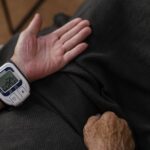
Some acupressure points have been studied for specific symptoms, and results vary. For nausea, there is a reasonable body of research on the point known as PC6, located on the inner wrist. Some studies suggest pressing or stimulating this point may reduce nausea, including in some post-surgical and pregnancy settings. The evidence is not uniform, and results across studies differ.
For most other claimed uses — headaches, anxiety, pain, fatigue — the evidence is limited or mixed. Some small studies show benefit, others do not. A common problem is that it is hard to design a fair “sham” comparison, so it is difficult to rule out placebo effects.
None of this means acupressure is useless. It is generally low-risk when done gently, and some people find it calming. But it is honest to say that for most points and most conditions, we do not have strong evidence that it works better than placebo.
How do you find and use pressure points?
Traditional charts map hundreds of points along the meridians. A commonly described approach is to press a point with a fingertip using firm but comfortable pressure for a short time while breathing slowly. There are no established clinical dosing guidelines for how long or how hard to press for most points, so any specific numbers you see online are not backed by standard medical guidance.
How Do You Bring These Practices Together Sensibly?
The most reasonable approach treats these traditions as a set of gentle habits rather than a treatment system. You do not need to believe in qi as a literal force to benefit from the parts that hold up.
Movement is the anchor. A regular tai chi or qigong routine gives you the best-supported benefits: better balance, more strength, and likely lower stress. Food comes next, and the sensible version is simply a varied, mostly plant-based diet — not a rigid set of rules about warming and cooling. Pressure points can be a low-risk add-on for relaxation or mild symptoms, as long as you do not rely on them for anything serious.
One non-obvious point: the calming effect of these practices may be their real value. Slow breathing, focused attention, and gentle movement are all known to reduce stress arousal through ordinary physiology. That is a genuine benefit, and you do not need a qi explanation to get it.
Where caution is warranted:
- Do not use these practices to replace treatment for a diagnosed condition.
- Be skeptical of expensive supplements, devices, or sessions that promise to “balance your qi” for a fee.
- Talk to a clinician before using acupressure during pregnancy or on anyone with a serious illness.
What Should You Be Careful About?
The main risk is not the practices themselves — it is what they might delay. Gentle movement and a good diet are safe for most people. The danger comes when someone uses them instead of proven care for a serious problem.
Symptoms that need medical attention, not acupressure, include chest pain, sudden weakness or numbness, difficulty breathing, severe or worsening pain, and unexplained weight loss. These are not qi imbalances. They are reasons to seek care promptly.
Also watch for cost. The wellness market sells many products with qi-related claims and no evidence behind them. A tai chi class or a bag of ginger costs little and carries real or at least neutral benefit. A “meridian-cleansing” supplement or an expensive energy device usually does not.
If you enjoy these practices and they help you feel calmer and move better, that is a fair reason to continue. Just keep your expectations matched to the evidence, and keep your doctor in the loop for anything that concerns you.
Frequently Asked Questions
Is qi real?
Qi is a central concept in traditional Chinese medicine, but no scientific instrument has detected it as a measurable physical substance. The practices built around it can still offer real benefits like improved balance and lower stress.
Does acupressure actually work?
For nausea, some studies suggest pressing the inner-wrist point known as PC6 may help, though results vary. For most other uses, the evidence is limited or mixed and placebo effects are hard to rule out.
What foods balance qi?
Traditional Chinese medicine links warming foods like ginger and garlic to building qi, but there is no scientific evidence that foods affect a qi force. Many of these foods are healthy for ordinary nutritional reasons.
Can tai chi and qigong replace medical treatment?
No. They are generally safe forms of gentle exercise with some well-supported benefits, but they should not replace proven treatment for a diagnosed medical condition.
