
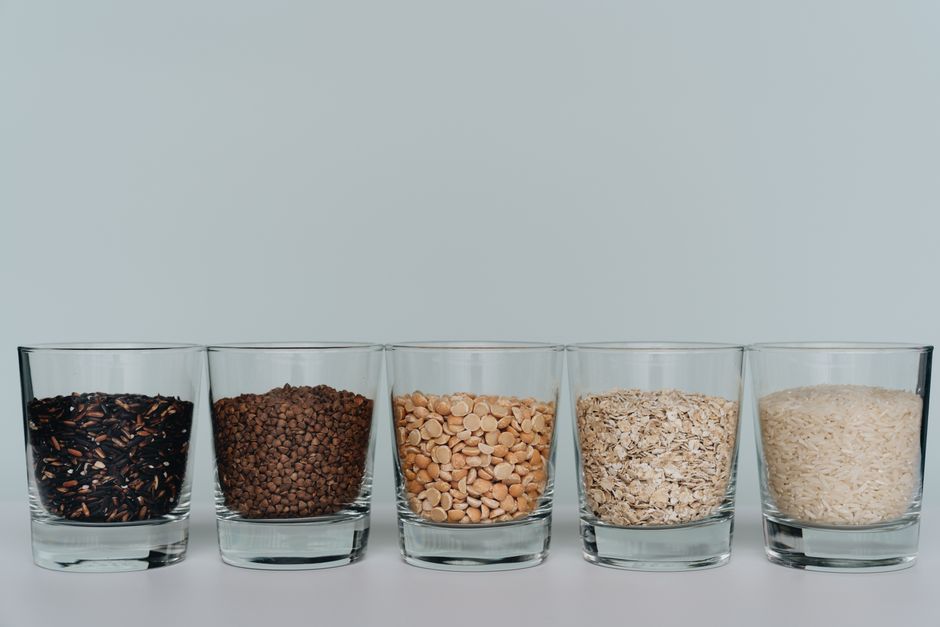
Molding rice into shapes comes down to two things: the right rice and the right handling. Short-grain and medium-grain varieties release sticky starch when cooked, and that starch is what holds the grains together. Press the rice while it is still warm, keep your hands or molds wet, and pack it firmly but gently — the result is a stable shape that holds on the plate and in your hand.
That is the short version. The rest is technique, and most of it is easy to learn once you understand why rice behaves the way it does.
What Kind of Rice Works Best for Molding?
Short-grain rice is the standard choice for molded shapes. It has a higher ratio of amylopectin to amylose than long-grain rice, and amylopectin is the branched starch molecule that makes cooked rice sticky and cohesive. Long-grain rice, by contrast, contains more amylose, which keeps grains separate and fluffy — good for pilafs, poor for holding a shape.
Japanese short-grain varieties are the classic pick for sushi and onigiri. Medium-grain rice, common in Italian risotto and some American-grown sushi rice, also molds reasonably well. If you only have long-grain rice at home, you can still make a molded shape, but it will crumble more easily and need firmer packing.
One detail that surprises many home cooks: rinsing matters. Rinsing the raw rice before cooking removes loose surface starch, which helps the grains cook evenly without turning gluey. That sounds like the opposite of what you want for sticky rice, but it is not. You want the grains to be tender and cohesive, not mushy. Rinse until the water runs mostly clear.
How To Mold Rice For Perfect Shapes And Plating
The core technique is simple: work with warm rice, wet your tools, and press with even, moderate force. Warm rice is more pliable because the starch is still soft. As rice cools, it firms up and becomes harder to shape without cracking.
Here is the basic process:
- Cook the rice and let it rest covered for about 10 minutes so moisture distributes evenly.
- While the rice is still warm, scoop it into your mold or onto a sheet of plastic wrap.
- Wet your hands or the inside of the mold with water so the rice does not stick. A little salt on wet hands is traditional for onigiri and adds flavor.
- Press the rice firmly enough to eliminate air gaps but not so hard that you crush the grains into paste. A light, even pressure works better than a heavy squeeze.
- Unmold gently. If the shape sticks, tap the mold lightly or line it with plastic wrap first.
For freehand shapes, plastic wrap is your best tool. Place a portion of warm rice in the center, gather the corners, and twist gently while shaping with your hands. The wrap holds everything together and keeps your hands clean.
If you are molding rice for a specific presentation — a dome for plating, a cylinder for a side dish, a triangle for onigiri — a small bowl, cookie cutter, or dedicated rice mold gives cleaner edges than freehand work. Lightly oiling a metal mold helps release, though plastic molds generally do not need it.
Why Does Molded Rice Fall Apart?
Molded rice usually falls apart for one of four reasons: the rice was too cool, the variety was wrong, the rice was undercooked or overcooked, or it was not packed firmly enough.
Cold rice is the most common culprit. Starch firms as it cools, so rice that sat out too long loses its ability to bind. Reheating can help somewhat, but freshly cooked warm rice molds best.
Overcooked rice is the opposite problem. It turns pasty and loses the distinct grain texture that makes molded rice pleasant to eat. Undercooked rice, meanwhile, has hard centers that resist sticking together.
Water content also matters. Rice that is too wet releases excess moisture when pressed and the shape slumps. Letting cooked rice rest uncovered for a few minutes before molding can help excess steam escape.




How Do You Shape Rice for Sushi and Onigiri?
Sushi rice and onigiri rice are both molded, but the technique differs slightly. Sushi rice is seasoned with vinegar, sugar, and salt, and the vinegar makes it a bit tackier and easier to shape. Onigiri uses plain salted rice.
For sushi, professional chefs shape nigiri by hand with a light touch — the goal is a loosely packed piece that holds together but dissolves in the mouth. Pressing too hard makes dense, gummy sushi. Home cooks often press harder than needed; lighter is usually better.
For onigiri, the classic triangle shape is made by cupping rice in one hand, forming a triangle with the other, and rotating as you press. Wet, salted hands prevent sticking. A small indent in the center is traditional for holding a filling, though it is optional.
Both forms benefit from being eaten soon after shaping. Rice that sits for hours dries out and hardens, especially in the refrigerator, which accelerates starch retrogradation — the process where cooked starch recrystallizes and firms up. That is why leftover rice often seems harder the next day.
Can You Mold Rice Without a Mold?
Yes. Plastic wrap, small bowls, ramekins, and even measuring cups can stand in for a dedicated rice mold. The principle is the same: contain the warm rice, press evenly, then release.
For a dome shape, pack rice into a small bowl, invert it onto a plate, and tap gently. For a cylinder, a narrow glass or ramekin works well. For flat, even layers — useful for pressed sushi or rice cakes — line a baking dish with plastic wrap and press the rice into an even layer before cutting shapes.
Cookie cutters are a practical option for decorative plating. Press warm rice into the cutter on a flat surface, level the top, and lift the cutter straight up. Lightly wetting the inside of the cutter helps the rice release cleanly.
What Should You Know About Food Safety?
Cooked rice is a known food safety concern, and this is worth taking seriously. Raw rice can carry Bacillus cereus, a bacterium whose spores survive cooking. When cooked rice sits at room temperature, those spores can germinate and produce toxins that cause vomiting or diarrhea.
The U.S. Department of Agriculture and food safety authorities generally advise refrigerating cooked rice within two hours of cooking and keeping it refrigerated until reheating. Reheat thoroughly and do not leave cooked rice at room temperature for extended periods, especially if you plan to mold it later.
If you are shaping rice for a party or a photo shoot, keep the working batch small and refrigerate the rest. Molded rice that will be eaten later should be cooled quickly and refrigerated, not left on the counter.
Does the Water-to-Rice Ratio Matter for Molding?
Yes, and it matters more than many people realize. Rice cooked with too much water turns soft and pasty and will not hold a clean shape. Rice cooked with too little water stays firm and crumbles.
Follow the ratio on your rice package, since it varies by variety and by whether the rice was presoaked. As a general reference, many short-grain and sushi rice packages call for roughly equal parts rice and water by volume, but always check your specific product. Some varieties are rinsed and drained before cooking, which affects the final texture.
A rice cooker takes the guesswork out of this. If you are cooking on the stovetop, bring the rice and water to a boil, reduce to a low simmer, cover, and cook until the water is absorbed. Let it rest covered off the heat before molding.
Frequently Asked Questions
What is the best rice for molding into shapes?
Short-grain rice is the best choice because its high amylopectin content makes it sticky and cohesive. Medium-grain rice also works reasonably well.
Why does my molded rice fall apart?
The most common reasons are rice that cooled too much, the wrong rice variety, or insufficient packing. Warm short-grain rice pressed firmly but gently holds its shape best.
Can I mold rice the next day?
Yes, but refrigerated rice firms up and is harder to shape cleanly. Reheat it with a splash of water until warm and pliable before molding.
Is it safe to leave molded rice out at room temperature?
No. Cooked rice should be refrigerated within two hours of cooking to reduce the risk of foodborne illness from Bacillus cereus. Keep molded rice refrigerated until you are ready to eat it.
