
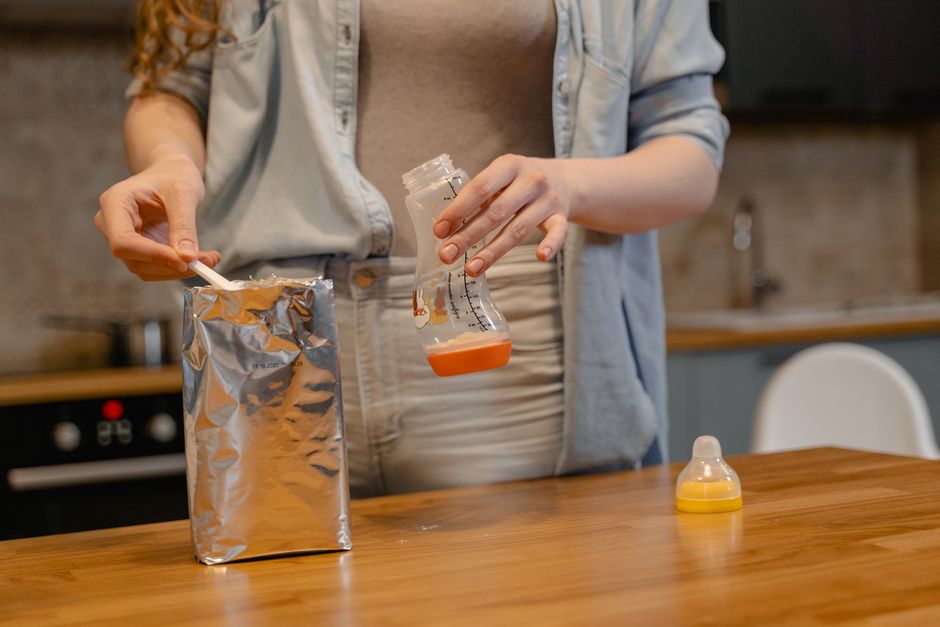
Mixing formula and breast milk in the same bottle is a common practice for parents who want to extend their baby’s feedings or transition between feeding methods. The general rule is simple: prepare the formula first according to the package directions, then add the breast milk to the prepared formula. Never mix powdered formula directly into breast milk because it changes the water-to-powder ratio, which can affect the nutrient concentration and safety of the feed.
Why Would You Mix Formula And Breast Milk?
Parents combine these two liquids for several practical reasons. Some mothers produce less milk than their baby needs at a particular feeding. Others want to introduce formula gradually while continuing to breastfeed. Some parents mix to help a baby accept the taste of formula, or to give a bottle of breast milk a calorie boost if their pediatrician has recommended it.
The practice is safe for healthy, full-term babies when done correctly. Mixing does not change the nutritional value of either milk. It simply combines two safe foods into one bottle.
That said, mixing is not necessary for most babies. If you are producing enough breast milk, there is no nutritional reason to add formula. The decision is usually about convenience, supply, or a medical recommendation from your child’s doctor.
What Is The Correct Order For Mixing?
The order matters more than most parents realize. Always prepare the formula first, exactly as the label instructs. Then add breast milk to the prepared formula.
Here is why the order matters. Powdered formula requires a specific ratio of powder to water. If you pour breast milk into the bottle first and then add formula powder, you cannot measure the water correctly. The breast milk dilutes the formula concentration in ways that are hard to calculate. This can make the feed either too concentrated or too weak, both of which can be problematic for a baby’s immature kidneys and digestive system.
For liquid concentrate formula, the same rule applies. Mix the concentrate with the required amount of water first. Then stir in the breast milk.
Ready-to-feed formula does not need water. You can mix it directly with breast milk in any proportion because the formula is already fully prepared.
Step-By-Step Guide To Mixing Formula And Breast Milk
Follow these steps carefully each time you prepare a combined bottle.
Step 1: Wash your hands. Use soap and warm water for at least 20 seconds before touching any bottles, nipples, or formula supplies.
Step 2: Prepare the formula. Measure the water first, then add the powder or concentrate. Follow the exact measurements on the formula package. Shake or swirl until the powder is fully dissolved.
Step 3: Check the temperature. The prepared formula should be at room temperature or slightly warm. Test a drop on the inside of your wrist. It should feel lukewarm, not hot.
Step 4: Add the breast milk. Pour the desired amount of breast milk into the bottle with the prepared formula. Swirl gently to combine. Do not shake vigorously because shaking can break down some of the beneficial components in breast milk and create excess air bubbles.
Step 5: Feed immediately or store properly. If feeding right away, attach the nipple and go. If storing, follow the storage guidelines in the next section.
Never use a microwave to warm a bottle. Microwaves heat unevenly and can create hot spots that burn a baby’s mouth. They can also destroy some of the immune factors in breast milk.





How To Mix Formula And Breast Milk Steps And Storage: Safe Storage Times
Storage rules for mixed bottles are stricter than for breast milk alone. Once you combine formula with breast milk, the storage window follows the formula’s guidelines, not the breast milk’s.
Prepared formula is safe at room temperature for up to 2 hours. A mixed bottle should not sit out longer than this. If your baby starts feeding but does not finish the bottle, discard the remainder within 1 hour. Bacteria from your baby’s mouth can multiply in the warm liquid.
In the refrigerator, a mixed bottle is safe for up to 24 hours. This is the standard recommendation for prepared formula. Breast milk alone can be refrigerated for up to 4 days, but once you add formula, the shorter window applies.
Never freeze a bottle that contains prepared formula. Freezing changes the texture and can separate the components. More importantly, the safety of thawed formula is not well studied, and most health authorities advise against freezing prepared formula.
If you want to prepare bottles ahead of time, consider a different approach. Store the breast milk and the prepared formula in separate bottles in the refrigerator. Combine them right before feeding. This keeps each component at its optimal storage duration and gives you more flexibility.
Can You Add Formula Powder Directly To Breast Milk?
No. This is one of the most common mistakes parents make. Adding formula powder directly to breast milk changes the concentration of both.
Formula powder is designed to be mixed with a specific amount of water. When you add it to breast milk instead, you create a mixture that is more concentrated than intended. This can overload a baby’s kidneys with too much protein and minerals. It can also cause dehydration because the baby is not getting enough water relative to the dissolved solids.
Some parents add formula powder to breast milk to increase calories for a baby who needs to gain weight. This should only be done under a pediatrician’s explicit instruction with exact measurements. A doctor may recommend adding a specific amount of powder to a certain volume of breast milk for medical reasons. This is different from routine mixing and requires professional guidance.
If you want to boost calories or thicken feeds for reflux, talk to your pediatrician first. Do not experiment with ratios on your own.
Does Mixing Affect Breast Milk Quality?
Breast milk contains antibodies, enzymes, and beneficial bacteria that formula does not have. These components are fragile but they survive normal bottle preparation reasonably well.
Research indicates that breast milk retains most of its beneficial properties when refrigerated or gently warmed. The main concern is vigorous shaking and overheating. Both can damage some proteins and antibodies. Gentle swirling and lukewarm water are the safest approaches.
One point worth knowing: mixing formula into breast milk does not make the breast milk less nutritious. The breast milk components remain intact. But the overall bottle now has a lower proportion of breast milk, which means your baby receives fewer of those unique immune factors per feeding.
If your goal is to maximize the benefits of breast milk, feed breast milk alone whenever possible. Use mixed bottles when you need to, but do not feel that every bottle must be a combination.
What About Taste And Acceptance?
Some babies reject formula because the taste is different from breast milk. Mixing can help with this transition.
Start with a ratio that is mostly breast milk with a small amount of formula, such as three parts breast milk to one part formula. Over several days, gradually increase the formula proportion. This slow transition can help a baby adjust to the new taste.
Other babies do not notice the difference at all. If your baby drinks the mixed bottle without fuss, there is no need to do a gradual transition.
Keep in mind that breast milk tastes different from day to day based on your diet. Babies are used to some variation. Formula has a consistent taste, which is why some babies notice the change immediately.
When Should You Not Mix Formula And Breast Milk?
There are situations where mixing is not a good idea. If your baby was born prematurely or has health conditions, talk to your pediatrician before combining feeds. Premature babies have specific nutritional needs, and the concentration of formula matters more for them.
If you are using breast milk from a milk bank, check the bank’s guidelines. Donor milk is pasteurized and handled under strict protocols. Adding formula may not be recommended in all cases.
If your baby has reflux or feeding difficulties, mixing can sometimes make things worse. Thicker feeds are sometimes recommended for reflux, but adding formula powder to thicken breast milk is different from using a commercial thickener. Always follow medical advice in these situations.
Finally, do not mix formula into breast milk as a way to make breast milk last longer. It does not extend the shelf life. It shortens it.
Common Mistakes To Avoid
Parents make a few predictable errors when mixing these liquids. Knowing them in advance can help you avoid them.
- Adding powder before water. Always measure water first, then add powder. This ensures the correct concentration.
- Using the scoop from a different formula brand. Scoops are not interchangeable. Each brand’s scoop is sized for that specific powder.
- Packing the powder into the scoop. Scoop lightly and level off with a clean knife. Do not press down.
- Reusing leftover mixed formula. Discard anything your baby did not finish within 1 hour.
- Warming bottles in the microwave. This creates hot spots and can damage breast milk components.
- Storing mixed bottles beyond 24 hours. The formula component shortens the safe storage window.
These mistakes are easy to make, especially during nighttime feedings when you are tired. If you make one, do not panic. Observe your baby for any signs of digestive upset and call your pediatrician if you have concerns.
Frequently Asked Questions
Can I add breast milk to formula that is already prepared?
Yes. Prepare the formula according to the package directions first, then add the breast milk and swirl gently to combine.
How long is a mixed bottle of formula and breast milk good for?
A mixed bottle is safe in the refrigerator for up to 24 hours. Once your baby starts feeding, discard any remaining milk within 1 hour.
Can I freeze formula and breast milk mixed together?
No. Freezing prepared formula is not recommended because it can change the texture and the safety of thawed formula is not well established.
Why can’t I just add formula powder to breast milk?
Adding powder directly to breast milk changes the water-to-powder ratio, making the feed too concentrated. This can stress a baby’s kidneys and cause dehydration.
